



Let’s start with a basic reality: peace doesn’t just happen on its own. It takes effort, pressure, and a willingness to act decisively. In places like the Middle East, stability has always been fragile, and for years many leaders treated lasting peace as something out of reach.
The Trump administration approached it differently, leaning into direct negotiation and a more forceful posture. The result, supporters argue, was a series of agreements and actions that shifted the conversation and, at least for a time, changed expectations about what was possible.
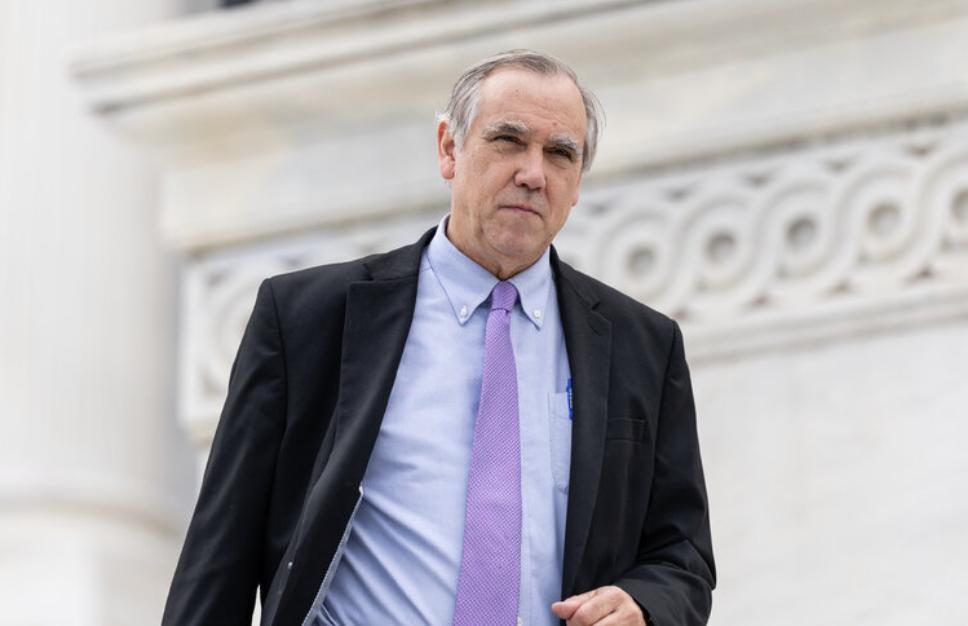
But even when progress is made abroad, conflict at home can undercut it. In Washington, political fights rarely stay contained. They spill into public statements, into media coverage, and sometimes into areas that make people uneasy about how far disagreements are going. That’s where the reaction to comments from Senator Jeff Merkley comes in.
In response to remarks attributed to President Trump about potential military action against Iran, Merkley warned that such actions could violate international law and reminded military leaders that they are obligated to refuse unlawful orders. To some, that reads as a standard, if sharply worded, position about the laws of war and the limits of presidential authority. To others, it crosses a line.
Critics see it as more than just disagreement over policy. They view it as a message that risks blurring the chain of command by encouraging service members to question orders in real time. In their view, the strength of the U.S. military depends on clarity and discipline, and anything that introduces hesitation could have serious consequences in a crisis.
At the center of this argument is the Constitution’s structure. The president is the commander-in-chief, and civilian control of the military is a foundational principle. At the same time, the military is not required to follow unlawful orders, a standard that has been reinforced through both U.S. law and international agreements. The tension between those two ideas isn’t new, but moments like this bring it into sharper focus.
There’s also a broader concern about how political messaging plays beyond U.S. borders. When American leaders publicly clash over national security issues, it can signal division.
Some worry that adversaries may interpret that as weakness or uncertainty, potentially encouraging more aggressive behavior. Others argue that open debate is part of what distinguishes the U.S. system and ultimately makes it stronger.
What’s clear is that rhetoric matters. Statements from elected officials, especially on issues involving the military, don’t exist in a vacuum. They shape perception, both at home and abroad.
Whether Merkley’s comments are seen as a necessary reminder of legal boundaries or an overstep that risks undermining authority depends largely on where you stand politically.
The post Merkley Comments On Trump Statement appeared first on Red Right Patriot.