



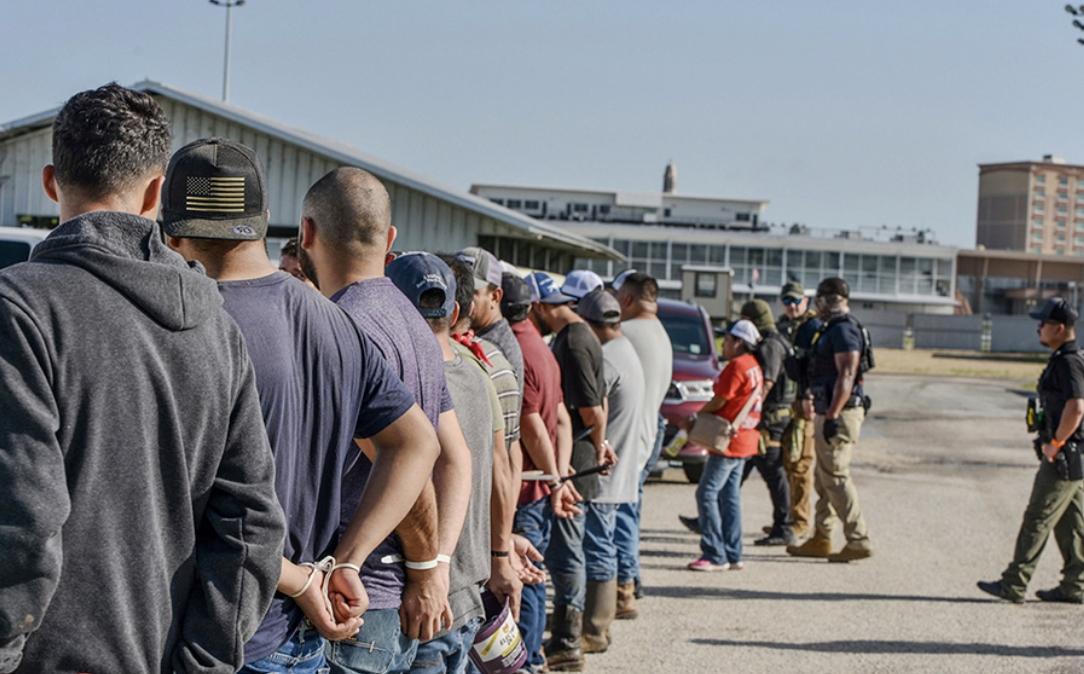
According to the February 26–28 survey of 1,999 registered voters conducted by The Harris Poll and HarrisX, 57 percent of Americans support deporting illegal migrants. The support cuts across political lines in striking ways. Among Republicans, backing for deportations reaches a commanding 79 percent. Independents also lean strongly in favor, with 54 percent supporting the policy. Democrats remain divided, with just 35 percent supporting mass deportations.
The numbers are particularly notable given the intense pushback from pro-migration politicians, establishment media outlets, and a wide network of activist groups and cultural influencers who have campaigned heavily against tougher immigration enforcement.
The same poll found strong support for other immigration restrictions as well. Sixty-three percent of respondents said they favor legislation that would block illegal migrants from obtaining commercial driver’s licenses. Even on this measure, however, partisan divisions remain clear, with only 40 percent of Democrats supporting the proposal.
Despite the majority backing deportations in principle, the poll reveals a more complicated picture when it comes to enforcement tactics. Fifty-five percent of voters said they oppose hiring an additional 20,000 Border Patrol and ICE agents tasked with conducting immigration raids and enforcement operations inside the United States. That tension highlights a familiar challenge: voters may support tougher immigration outcomes while remaining uneasy about the aggressive policing methods required to achieve them.
Meanwhile, federal agencies are quietly ramping up enforcement in ways that avoid the dramatic confrontations often highlighted in political battles. The Department of Homeland Security has increased scrutiny of employer paperwork, reviewing whether businesses are hiring workers who lack legal authorization.
According to a March 2 report from The Washington Post, DHS recently reviewed hiring records at 130 restaurants in Washington, D.C., sending warning letters that forced businesses to verify their employees’ documentation. Immigration attorneys say the effort is likely only the beginning.
In at least one case, the consequences were immediate. A restaurant owner reported losing 29 employees — including cooks, bartenders, servers, and managers — within days of receiving a federal compliance notice. Managers scrambled to schedule interviews to replace the workers in an industry already struggling with labor shortages.
Supporters of the crackdown argue the policy is already affecting wages. Restaurant Business Online reported in January that tighter immigration enforcement is pushing restaurants to compete more aggressively for legal workers. With fewer available employees, employers are expected to raise pay to attract staff.
Oxford Economics projects restaurant wages will accelerate from 3.7 percent growth this year to 5.6 percent by 2027.
Officials at the Department of Homeland Security say increased enforcement pressure has also encouraged voluntary departures. Roughly 2 million migrants are believed to have left the United States and returned home, a shift some analysts say could ease housing demand and help reduce rent pressure in major cities.
Yet even as blue-collar labor markets tighten, another pressure point is emerging. Millions of white-collar jobs remain tied to visa workers, with roughly 2.5 million foreign professionals currently employed in the U.S. That workforce, combined with the rapid rise of artificial intelligence, is raising alarms about the future of middle-class employment.
The Atlantic recently warned that white-collar workers may soon face the same disruption that devastated America’s industrial heartland decades ago. As automation reshaped manufacturing in cities like Detroit, Pittsburgh, and Gary, entire communities collapsed under the weight of job losses.