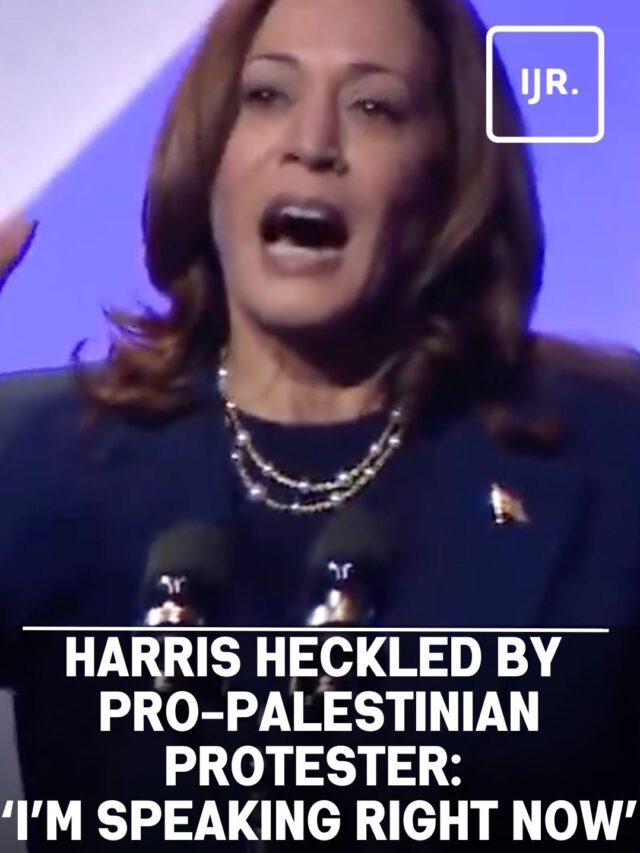




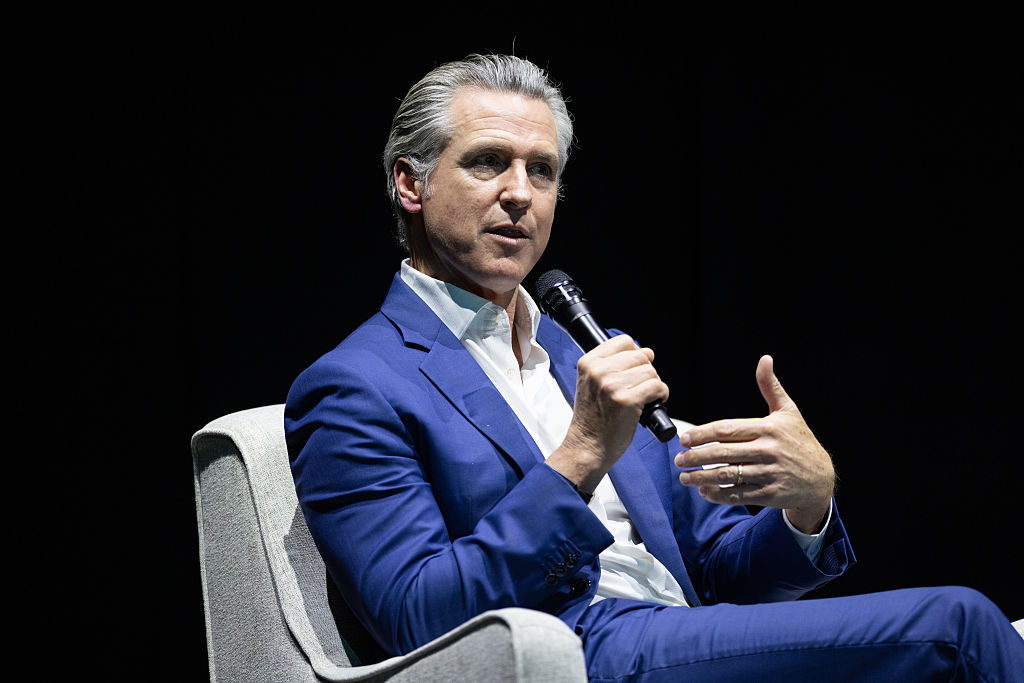
California Gov. Gavin Newsom told The Guardian in a recent interview that Democrats’ loss in the 2024 election was less about Joe Biden or Kamala Harris and more about the party’s internal culture.
According to Fox News, Newsom, who keeps a 30-page notebook analyzing why Democrats lost, told podcast host Jonathan Freedland that one of the key takeaways from conversations with both Democrats and the MAGA movement is that “we were becoming a little too judgmental.”
“This idea that somehow you’re countenancing a point of view or perspective by engaging in conversations, that somehow you’re complicit in that respect,” Newsom said. “I mean, the condemnation I got for having Charlie Kirk on was off the charts. There were two or three well-known Democratic politicians that canceled. They were coming on next. They all canceled right after that.”
He described a party environment increasingly focused on purity tests, where dissenting opinions or nuanced positions were often met with criticism.
“Somehow saying, ‘I’ve abandoned the LGBTQ community. I’ve walked away. I’m throwing them under the bus.’ It’s that kind of tonality, I think, that pulls people away,” Newsom said, referencing disagreements within the party on issues like transgender athletes in sports.
Newsom also highlighted his progressive record, noting that he supported same-sex marriage “well before the Democratic Party was interested in marriage equality.” Despite his advocacy, he said, disagreements on certain issues have led to judgment and condemnation that risk alienating voters.
When asked about his potential 2028 presidential ambitions, Newsom remained noncommittal. “Absolutely I have not, sincerely and for multiple reasons. I’ve got a sense of where the world is at the moment. We’ll see where it is a year from now, two years from now,” he said.
He added, “I’m not going to say no because I’d be lying by saying that. But I absolutely cannot say yes.”
The interview showed Newsom’s focus on party dynamics and internal divisions as pivotal factors shaping electoral outcomes, rather than individual candidates or campaign strategies.