



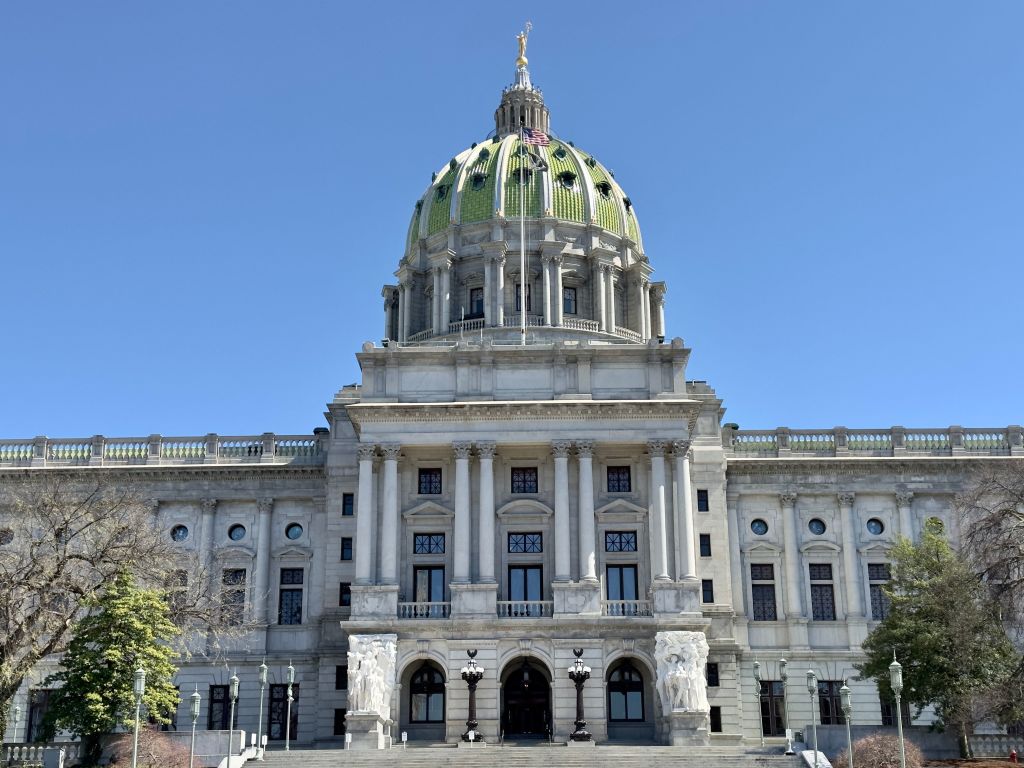
After months of gridlock, Pennsylvania lawmakers are moving to end the state’s budget stalemate with a $50 billion spending plan that will send long-delayed funding to schools and social services across the state.
According to The Associated Press, Democratic Gov. Josh Shapiro is expected to sign the key budget bills by the end of the day, finalizing an agreement that took weeks of closed-door negotiations between the state’s divided Legislature.
The deal marks a hard-fought compromise. Democrats agreed to back off efforts to make Pennsylvania the only major fossil fuel-producing state that requires power plant owners to pay for carbon emissions — a major concession to Republicans.
In return, the plan includes new investments in public education and an earned income tax credit for low-wage workers, two of the Democrats’ top priorities.
“The win is that we’re going to, hopefully before the end of the day, have a funding plan for the commonwealth and that’s a win for everybody who’s been waiting on state resources,” said House Appropriations Committee Chairman Jordan Harris, D-Philadelphia.
The breakthrough comes as counties, school districts, and social service agencies have been sounding the alarm for weeks over layoffs, rising borrowing costs, and mounting strain on Pennsylvania’s social safety net. Since July 1, the lack of a signed state budget has left rape crisis centers, schools, and county-run programs without state aid.
Under the new $50.1 billion budget, authorized spending will rise by roughly $2.5 billion, or about 5%. Nearly all of the increase will go toward Medicaid and public education. To balance the budget, the state will rely heavily on billions in surplus cash — the second straight year Pennsylvania has faced a multibillion-dollar deficit.
The agreement also effectively ends Pennsylvania’s participation in the Regional Greenhouse Gas Initiative, a cap-and-trade program launched under former Gov. Tom Wolf.
The program, intended to curb greenhouse gas emissions, was blocked in court and never implemented. It drew strong support from environmental groups but fierce opposition from Republicans, energy companies, and labor unions representing workers in refineries, pipelines, and power plants.
For many across the state, the long-awaited deal brings a sense of relief — and much-needed funding — after months of financial uncertainty.












