



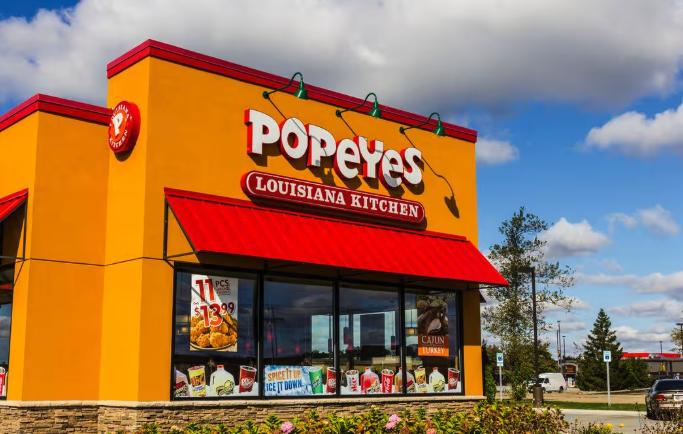
A major Popeyes Louisiana Kitchen operator has filed for bankruptcy, signaling more turbulence ahead for the restaurant industry in 2025.
Sailormen Inc., a Miami-based franchisee managing over 130 Popeyes locations in Florida and Georgia, filed for Chapter 11 bankruptcy protection in the Southern District of Florida. The company is now working to restructure and address a massive $129 million debt owed to lenders.
Sailormen’s legal team at Cole Schotz confirmed the filing, citing a long list of economic pressures that pushed the company into financial turmoil. Court documents blame the collapse on what many in the industry are calling a perfect storm: lingering COVID-19 effects, shifting consumer habits, surging inflation, rising interest rates, and a shrinking labor pool.
In short, the hits just kept coming—and the company finally buckled.
Sailormen’s parent brand, Popeyes Louisiana Kitchen Inc., is owned by Restaurant Brands International (RBI), but the chain relies heavily on franchisees. In this case, RBI wasn’t financially on the hook for the debt—but the fallout from one of its largest operators filing bankruptcy is sure to ripple across the brand.
Large Popeyes franchisee files for Chapter 11
Sailormen, which operates 136 units across Florida and Georgia, faced growing losses and sales declines within the past 12 months.
The franchisee reported over $223 million in sales, but had a net operating loss of over $18 million… pic.twitter.com/HeNpsdaKPc
— Nightingale Associates (@FCNightingale) January 17, 2026
Should franchisees be more regulated to prevent bankruptcy issues?
This latest filing fits into a broader pattern that’s reshaping the U.S. dining landscape. Red Lobster recently flirted with bankruptcy. Hooters is reportedly considering the same. And bankruptcy experts are warning: more are on the way.
“Restaurants that exist today may not exist in five years,” said Daniel Gielchinsky, a bankruptcy attorney who’s been tracking the decline. “They’ll be off the map.”
Gielchinsky notes that the root of the problem started with the pandemic. As traffic cratered and dining rooms closed, restaurants still had to cover rent, payroll, insurance, and more—with little or no income. Many turned to loans and government subsidies just to keep the lights on.
Now, that borrowed lifeline is coming due—with interest.
Operators like Sailormen are left drowning in debt from years of barely surviving. And as inflation eats into consumer spending and labor costs keep climbing, many simply can’t dig out.
While Sailormen is hoping to emerge as a leaner, more stable business, the road ahead is uncertain. Its bankruptcy could be just the start of another wave of major shakeups in the fast-food and casual dining sectors as 2025 unfolds.
Franchise-heavy chains may look stable from the outside—but beneath the surface, many are fighting to stay afloat.












