



Nearly three months after the arrest of the man accused of killing Turning Point USA founder Charlie Kirk, the courtroom battle over secrecy — not evidence — is becoming the center of public attention.
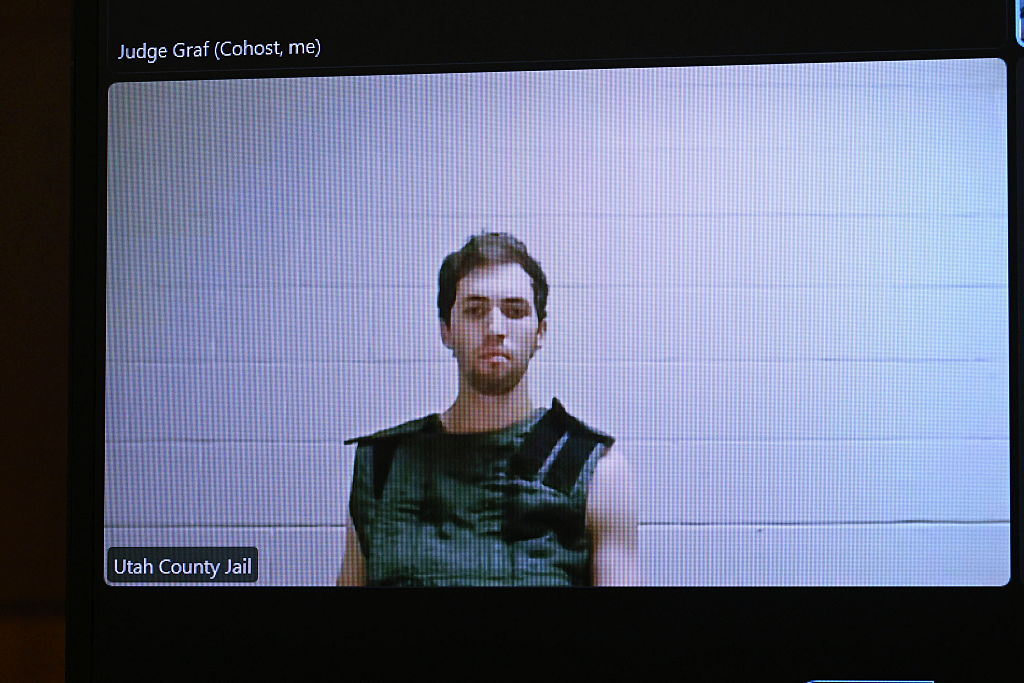
According to Fox News, Tyler Robinson, charged with aggravated murder and several related felonies in the Sept. 10 shooting at Utah Valley University, is expected to appear in person Thursday for the first time. His previous appearances have all been remote.
That alone makes the hearing a pivotal moment in a case that has increasingly moved behind closed doors.
For weeks, media outlets and Kirk’s widow have pressed the court to stop sealing information without warning. A coalition that includes Fox News is urging the judge to require advance notice before prosecutors or the defense can restrict public access — a step they say is needed to protect transparency.
Legal analyst Roger Bonakdar said the dramatic change in openness has been unusual.
“It has been pretty odd that the information tap was at full blast for a little while and now it’s completely shut off,” he said. “It’s really kind of inconsistent with how you see cases move forward typically.”
He recalled how authorities openly detailed evidence after Robinson’s arrest, including a reported confession and video from a fast-food restaurant.
“They were very, very almost oversharing in the beginning,” he said. “Now they’ve shut that tap off, and they’re saying you can’t even come to court and hear about what we’re doing when most of it’s probably procedural.”
Because prosecutors chose to proceed by indictment instead of a criminal complaint, there will be no preliminary hearing, meaning public access to evidence may remain minimal for months.
The transparency fight escalated after both sides asked to classify the audio and transcript from a closed Oct. 24 proceeding as “private.” That hearing focused on security questions and how Robinson should appear in court going forward.
Kirk’s widow, Erika Kirk, has been outspoken about the secrecy. She questioned why cameras are restricted now when her husband’s death unfolded in front of witnesses.
“There were cameras all over my husband when he was murdered,” she told Fox News’ Jesse Watters. “There have been cameras all over my friends and family mourning… We deserve to have cameras in there.”
Bonakdar said her frustration is understandable, but noted the court is navigating intense political pressure.
“This is a very politically charged case,” he said. “There are very high emotions in this case. And there’s also issues of tainting the jury pool.”
The judge has ordered Thursday’s hearing to remain open as much as possible. If it shifts into a sealed session, a media attorney may remain inside but cannot share anything discussed.
Strict rules also govern Robinson’s appearance. He cannot be photographed in shackles, only while seated, and his family may not be shown. Similar limits previously delayed a hearing after disputes over jail attire.
Courts often restrict such images, Bonakdar explained, because they risk creating “an inference of guilt” before any evidence is tested. Still, he acknowledged it may not matter much in a case receiving national attention.
The decision to keep Robinson on video in earlier hearings, he added, likely stems from security concerns — both for him and the courtroom.
Despite public impatience, Bonakdar said the pace is typical for a homicide case in which prosecutors intend to seek the death penalty.
“Murder cases move very slowly,” he said. The hearing, he added, will be narrow in scope but significant because it focuses squarely on the sealing order.
Whether the proceeding brings clarity or deepens the secrecy remains uncertain. What is clear is that the public fight over access is quickly becoming as consequential as the case itself.