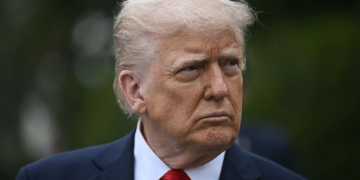




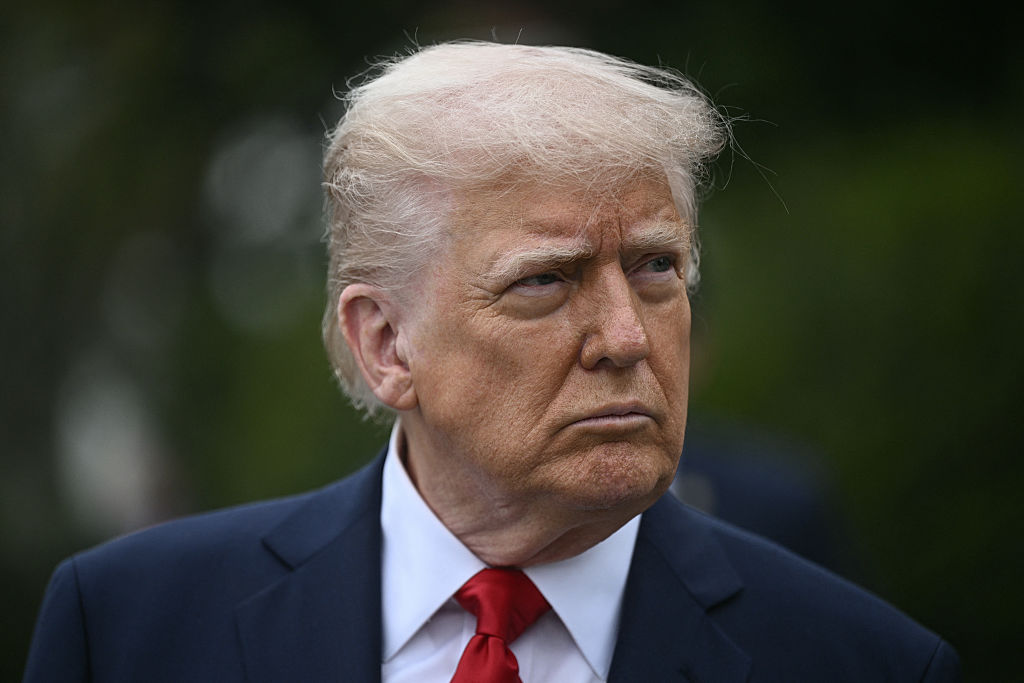
President Donald Trump warned Wednesday there will be “very severe consequences” if Russian President Vladimir Putin refuses to halt the war in Ukraine after the two leaders meet later this week in Alaska.
Trump made the remark in response to a reporter’s question after announcing this year’s Kennedy Center Honors recipients in Washington, according to the Associated Press.
He did not say what those consequences might be. The comment came shortly after Trump consulted with European leaders, assuring them he would prioritize securing a ceasefire during his Friday meeting with Putin in Anchorage.
Ukrainian President Volodymyr Zelenskyy, who joined several of Kyiv’s main allies in a virtual meeting with the U.S. leader, told the group that Putin “is bluffing” about Russia’s ability to occupy all of Ukraine and withstand sanctions.
German Chancellor Friedrich Merz said “important decisions” could be made in Alaska, stressing that “fundamental European and Ukrainian security interests must be protected.” He said a ceasefire must come at the beginning of negotiations and that Trump “also wants to make this one of his priorities.”
In France, President Emmanuel Macron said Trump “was very clear” about seeking a ceasefire at the summit. Macron said Trump would “seek a future trilateral meeting” with Putin and Zelenskyy in “a neutral country that is acceptable to all parties.” Merz added that “Ukraine must sit at the table as soon as there are follow-up meetings.”
European allies have insisted Ukraine be included in any talks, fearing an arrangement without Kyiv could favor Moscow. Zelenskyy said Putin “definitely does not want peace” and is “trying to apply pressure … on all sectors of the Ukrainian front.” He also claimed Putin is bluffing about sanctions being ineffective, saying they are “hitting Russia’s war economy hard.”
Trump has described Friday’s summit as “a feel-out meeting” to assess Putin’s intentions. However, he has frustrated allies by suggesting Ukraine will have to give up some Russian-held territory and by proposing land swaps, though it’s unclear what Russia would relinquish. On Monday, Trump declined to commit to pushing for Zelenskyy’s participation in his discussions with Putin, saying a later meeting could include “Putin and Zelenskyy and me.”
Merz warned that “if there is no movement on the Russian side in Alaska, then the United States and the Europeans should and must increase the pressure” on Moscow. Zelenskyy rejected Putin’s reported proposal for Ukraine to withdraw from the remaining 30% of Donetsk it still controls, saying Ukraine would not give up any territory and calling such concessions unconstitutional.
Key Ukrainian demands — including security guarantees to prevent future Russian aggression and European inclusion in negotiations — have not been addressed in U.S.-led talks. Three weeks after returning to office, Trump removed Ukraine’s NATO membership from consideration, a long-standing Putin demand, and signaled the EU and Ukraine must manage Europe’s security while the U.S. focuses elsewhere.
Senior EU officials believe Trump may be satisfied with achieving only a ceasefire and may prioritize broader U.S. strategic and economic interests, including rebuilding ties with Russia.
Meanwhile, Russian forces are advancing in Donbas, closing in on Pokrovsk, a key city in Ukraine’s eastern industrial heartland. Analysts say losing Pokrovsk could give Russia a major victory ahead of the summit and threaten Ukrainian supply lines to Donetsk, where the Kremlin has concentrated its military efforts.