




The Trump administration is lifting sanctions on Russian oil to counter Iran’s stranglehold on Middle Eastern energy.
The U.S. began Operation Epic Fury on Feb. 28, killing Iranian Supreme Leader Khamanei and striking key military locations in the Islamic Republic. Iran’s retaliatory strikes caused tanker traffic through the Strait of Hormuz to plummet, dramatically increasing prices and prompting the Trump administration to temporarily lift Russian oil sanctions.
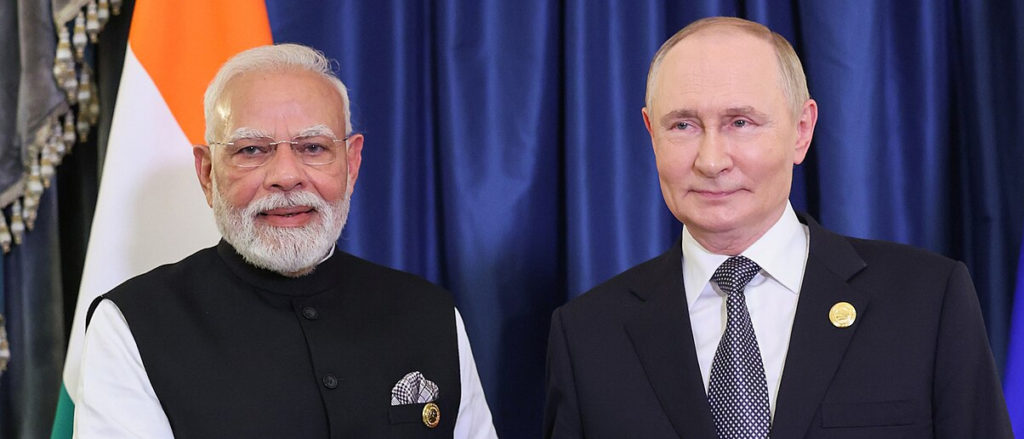
The U.S. Department of the Treasury gave a temporary 30-day waiver on Russian oil sanctions March 5 to allow for Indian refineries to purchase Russian crude oil already in transit on the sea. The U.S. Treasury announced on March 12 the temporary tariff suspension would apply to all countries until April 5.
Over 130 million barrels of Russian crude oil remained on the sea as of March 6, according to a report by Kpler.
U.S. Secretary of the Treasury Scott Bessent said the U.S. put immense pressure on India through a 25% tariff to get the nation to stop buying Russian crude oil in January interview at the World Economic Forum.
Bessent said allowing for the Indian refineries to buy in transit Russian crude oil was an inevitability because they were a quick crude oil source and would limit oil flow to China in a podcast interview posted March 12.
The U.S. Department of the Treasury referred to Bessent’s X post on the sanctions when reached for comment by the Daily Caller News Foundation.
The Trump administration agreed to lower the 25% tariffs on Indian imports as the Indian government agreed to scale back their purchases of Russian crude oil in February, according to a report by the Economic Times Energyworld.
Chinese state-run oil companies Sinopec and PetroChina began exploring Russian crude oil purchases following the lifting of sanctions, according to a report by Reuters. Two trade sources told Reuters that no deals had been struck as of Tuesday but Russian crude oil seemed to be the favored alternative due to it being cheaper than other alternatives like Brazil and West Africa.
The Chinese oil companies stopped purchasing Russian oil in late October to comply with the Trump administration’s sanctions on the Russian oil companies Rosneft and Lukoil, according to Reuters.
Indonesian Energy Minister Bahil Lahadalia told reporters Monday that that the country is considering Russian crude acquisitions during the U.S. sanctions reprieve, according to reporting by Reuters. Indonesian Senior Economic Minister Airlangga Hartarto told reporters the government will likely have to cut spending from the budget to meet rising oil prices, rather than enter into a deficit, according to a Reuters report.
Atlantic Council’s Eurasia Center Senior Fellow Edward Fishman told The New York Times that Russian oil sanctions would likely not impact the global oil price, noting that Russia’s oil delivery to Indian refineries made little to no difference to the market. Fishman said Russian oil prices had been rising since the Iran war’s beginning and there could be a likelihood of an indefinite sanctions suspension against Russian oil.
Before sanctions were lifted, Russian “shadow fleet” oil tankers were seen moving through the Gulf of Oman following the war with Iran. The M/V Trust oil tanker, a ship with a documented history of sanctions evasion, met an unidentified tanker on March 3 with its automatic identification system turned off in the Gulf of Oman, according to a Windward report. The meeting between the two ships showed characteristics common to a dark ship-to-ship transfer.
All content created by the Daily Caller News Foundation, an independent and nonpartisan newswire service, is available without charge to any legitimate news publisher that can provide a large audience. All republished articles must include our logo, our reporter’s byline and their DCNF affiliation. For any questions about our guidelines or partnering with us, please contact [email protected].