




The Trump administration announced Wednesday that it would seek to remove microplastics and pharmaceuticals from drinking water as part of its effort to improve water standards.
Environmental Protection Agency (EPA) Administrator Lee Zeldin, along with Health and Human Services (HHS) Secretary Robert Kennedy, unveiled the Sixth Contaminant Candidate List, which identifies substances that may require regulation under the Safe Drinking Water Act. The move is in tandem with the announcement of the Systematic Targeting Of MicroPlastics (STOMP) program, which aims to crack down on microplastics and pharmaceutical drugs found in drinking water.
The STOMP program, led by the Advanced Research Projects Agency for Health, is expected to cost $144 million to combat microplastics found in the human body at alarming rates.
“For too long, Americans have vocalized concerns about plastics and pharmaceuticals in their drinking water. That ends today,” EPA Administrator Lee Zeldin said in a press release. “By placing microplastics and pharmaceuticals on the Contaminant Candidate List for the first time ever, EPA is sending a clear message: we will follow the science, we will pursue answers, and we will hold ourselves to the highest standards to protect the health of every American family.”
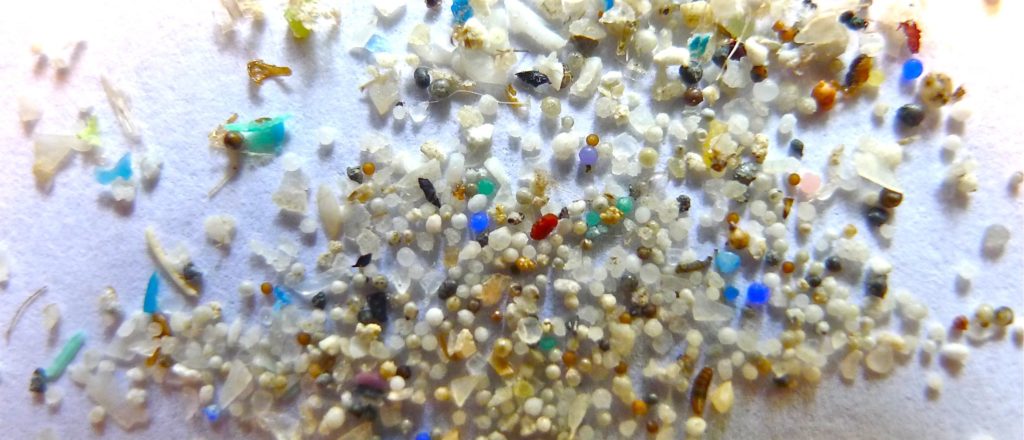
Microplastics are tiny particles that enter drinking water through pollution and the breakdown of larger plastics, which can affect the respiratory system and contaminate soil, per the Illinois EPA. Americans ingest 39,000 to 52,000 microplastic particles a year, and the number increases to over 100,000 when inhalation is factored in, according to a 2019 analysis from the American Chemical Society.
The HHS program will take place in two phases, with the first focusing on researching the accumulation of microplastics in the body and the second on how to safely remove them from the body. Using the data, the agency plans to develop technology for vulnerable groups and reduce microplastic intake.
“We will develop targeted clinically safe strategies to reduce microplastic burden in the body,” Kennedy said.
Kennedy also noted a study from the University of New Mexico that examined 62 placentas and found microplastics in every sample, suggesting it was “evidence that exposure begins before birth.”
Numerous pharmaceutical drugs have also been found in drinking water, most frequently ibuprofen and acetaminophen, according to an Oxford University study published in July 2025. These drugs can end up in drinking water simply by being poured down sinks and flushed into toilets, with most water treatment plants not being equipped to filter out pharmaceuticals, according to the EPA.
The Make America Healthy Again (MAHA) movement, which President Trump campaigned on with Kennedy, seeks to reverse the rise of chronic diseases in the United States. The 2025 MAHA commission report stated the findings that microplastics are commonly found in the blood and urine of American children and pregnant women, “some at alarming levels.”
The Trump administration’s approach has had an impact not only at the federal level but also at the state level, as states have worked to ban food dyes and fluoride.
The EPA will also open a 60-day public comment period and encourages Americans to voice their comments, which will be considered in future research on microplastics.
All content created by the Daily Caller News Foundation, an independent and nonpartisan newswire service, is available without charge to any legitimate news publisher that can provide a large audience. All republished articles must include our logo, our reporter’s byline and their DCNF affiliation. For any questions about our guidelines or partnering with us, please contact [email protected].