



An Iranian official speaking to Fars News Agency, a media outlet closely aligned with the Islamic Revolutionary Guard Corps, dismissed the idea outright, stating there has been “no direct or indirect contact with Trump.” The source went further, suggesting the former president backed off planned strikes only after Iran signaled it would expand its targets across the region’s energy grid.
The rhetoric escalated quickly. Iranian Major General Abdollahi issued a stark warning, claiming a “new, secret weapon” would soon be deployed—one he said would effectively end enemy operations. The timing was notable, landing just minutes after Trump publicly described the situation in far more optimistic terms, pointing to “productive conversations” aimed at a “complete and total resolution.”
The disconnect sent shockwaves through global markets. Oil prices spiked and plunged within hours, with Brent crude swinging from $92 to $103 per barrel in volatile trading. U.S. markets followed suit, with the Dow Jones Industrial Average lurching 700 points in pre-market activity before stabilizing in positive territory.
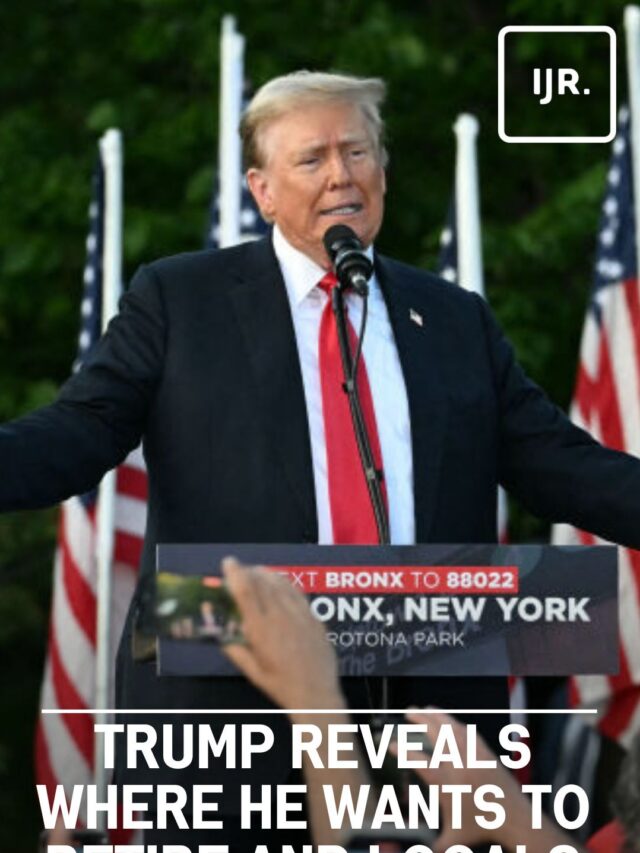
Trump also revealed he had ordered a temporary halt to planned U.S. strikes on Iranian energy infrastructure, describing the pause as conditional and tied to the success of ongoing discussions. The five-day window, he said, would determine whether diplomacy had any chance of holding.
Iranian Foreign Ministry:
“We deny what US President Donald Trump said regarding negotiations taking place between the United States of America and the Islamic Republic of Iran.
The Islamic Republic of Iran adheres to its position rejecting any type of negotiations before…
— The Daily News (@DailyNewsJustIn) March 23, 2026
Should the U.S. pursue diplomatic talks with Iran amidst conflicting reports?

 Iranian Foreign Ministry:
But events on the ground suggest anything but de-escalation. Over the weekend, Trump warned Iran it would face direct attacks on its grid if it failed to reopen the Strait of Hormuz within 48 hours. Tehran ignored the ultimatum. Instead, Iranian officials doubled down, threatening to target water and energy facilities across the region and signaling readiness to deploy naval mines if U.S. forces approached its coastline.
That threat carries global consequences. The Strait of Hormuz remains one of the world’s most critical chokepoints, with roughly 20 percent of global oil supply passing through its narrow corridor. Since the conflict intensified, Iran’s effective closure of the strait has already triggered a sharp energy shock. U.S. gas prices have jumped from $2.90 to $4.00 per gallon in just three weeks, underscoring the economic stakes.
Trump has previously floated the idea of seizing Kharg Island, a key Iranian oil export hub, but no concrete action has followed. Meanwhile, Tehran continues to leverage its grip on Hormuz as its primary bargaining chip.
What remains unclear is whether any real diplomatic framework exists beneath the competing narratives. Key sticking points—including Iran’s nuclear program, ballistic missile capabilities, and regional military posture—remain unresolved. Israel’s role in the conflict further complicates the picture, with no clear indication of how it would fit into any potential agreement.
The post Trump Says Talks Progress As Iran Denies Contact appeared first on Red Right Patriot.