



The United States is shifting its military posture in the Middle East after Iran rejected a ceasefire proposal, raising the stakes as tensions continue to mount.
According to Fox News, officials say the new deployments are not aimed at a large-scale invasion, but rather at giving United States leaders flexible options for limited, high-risk operations if diplomacy fails.
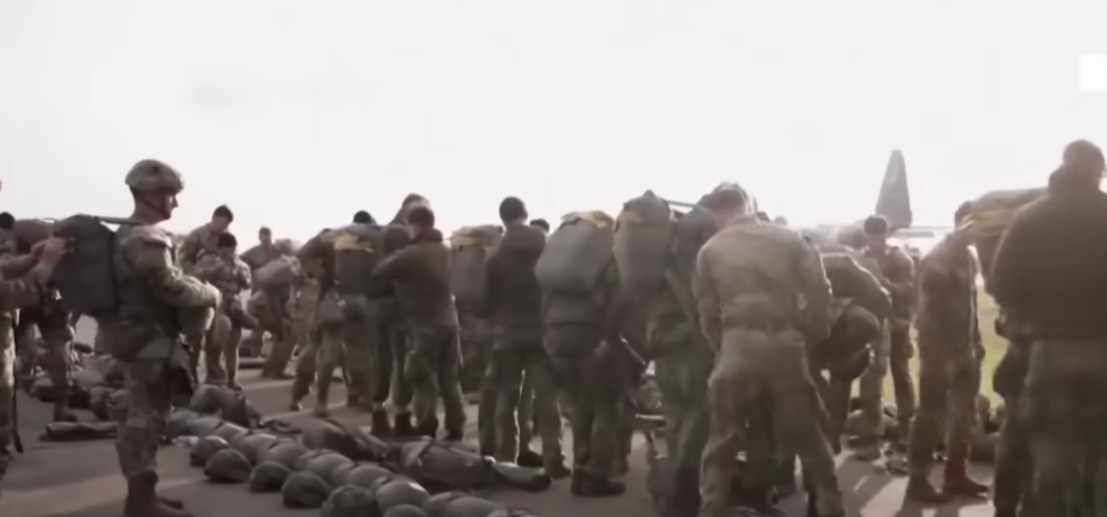
In recent days, the Pentagon has sent ground-capable forces into the region, including about 1,000 paratroopers from the 82nd Airborne Division and additional Marines assigned to the 31st Marine Expeditionary Unit.
These units are typically used for rapid-response missions and early-stage conflict scenarios.
“The president likes to maintain options at his disposal,” press secretary Karoline Leavitt said. “It’s the Pentagon’s job to provide those options to the commander in chief.”
Lawmakers, however, say they are still looking for clarity.
“We want to know more about what’s going on, what the options are and why they’re being considered,” Rep. Mike Rogers said. “We’re just not getting enough answers.”
Experts say the number and type of troops being deployed signal a narrower focus.
“It is not for the type of ground invasion that we saw in Iraq,” James Robbins said. “There simply aren’t enough troops.”
Instead, any potential action would likely involve short-term missions targeting key sites, rather than holding territory.
One possible flashpoint is the Strait of Hormuz, a critical global shipping route where U.S. forces could be used to secure positions or protect commercial traffic.
“The most logical step is to try to secure the straits by taking some key positions inside Iran,” Ehud Eilam said.
Still, experts warn that even limited operations would be dangerous, given Iran’s network of missiles, drones and naval forces spread across the region.
“It’s a large gulf, and there’s lots of places you could drop a mine or shoot a cruise missile from or shoot a drone from,” Adm. Kevin Donegan said.
Iranian officials have dismissed the ceasefire push, with Lt. Col. Ebrahim Zolfaghari mocking U.S. efforts, asking, “Have your internal conflicts reached the point where you are negotiating with yourselves?”
For now, the buildup reflects a strategy focused on readiness, as both sides brace for what could come next.












