




Pain at the pump is here, and it could be here to stay.
Brent crude, the oil blend that sets worldwide prices, has jumped 24% to over $90 a barrel since Operation Epic Fury began. The highest Brent price of Trump’s second term is already impacting U.S. gasoline prices.
Despite the U.S.-backed war risk insurance that President Donald Trump offered all maritime operators in the Strait of Hormuz, traffic remains down 90% since Iranian retaliatory strikes began. Refineries have no way to ship their oil, and some are halting extraction as storage facilities hit capacity.
U.S. gasoline prices move in tandem with Brent crude. For every $10 Brent increase, U.S. gas prices rise roughly 24 cents per gallon. Since striking Iran, the AAA national gas average price increased from $2.98 to $3.32. Gasoline prices haven’t risen comparably since the Russia-Ukraine War began in March 2022.
A sustained 25-cent-per-gallon increase in gas prices raises inflation by about 0.25 percentage points, according to the Federal Reserve. If the Strait of Hormuz is reopened and oil exports resume, prices could return to pre-war levels.
Very Large Crude Carriers, ships capable of carrying roughly 2 million barrels of oil, saw their daily rental prices skyrocket from $206,000 to over $480,000 since markets opened Monday. The rate-doubling results from continued war risk insurance issues and a dearth of vessels willing to brave the increasingly dangerous Strait.
“The closure of the Strait of Hormuz has put the issue of crude storage capacity in the Middle East Gulf front and center,” Kayrros Chief Analyst Antoine Halff wrote Tuesday on LinkedIn. Kayrros is a geospatial intelligence company that uses satellite data to analyze energy security. “If oil producers reach ‘tank tops’ for lack of export outlets, then they have to curtail output.”
The Iraqi Oil Ministry announced that outflow from its export-oriented southern oil fields was reduced by 1.5 million barrels a day due to lack of storage capacity. Extraction could be reduced by an additional 1.5 million barrels a day if disruptions to maritime travel continue, according to Reuters. Iraq is the second-largest oil producer in the Organization of Petroleum Exporting Countries. Kuwait is also cutting production as storage capacity fills, according to the Wall Street Journal.
If further reductions and export delays send Brent cresting over $100/barrel, U.S. drivers could pay over $4/gallon for gasoline.
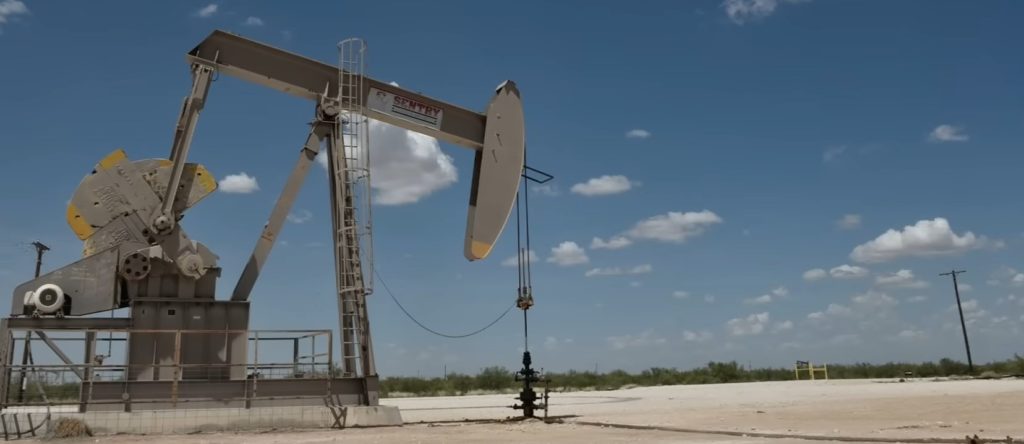
(Featured Image Media Credit: Screen Capture/PBS NewsHour)
All content created by the Daily Caller News Foundation, an independent and nonpartisan newswire service, is available without charge to any legitimate news publisher that can provide a large audience. All republished articles must include our logo, our reporter’s byline and their DCNF affiliation. For any questions about our guidelines or partnering with us, please contact [email protected].