



A fresh escalation in tensions with Iran unfolded Tuesday as the United States Central Command confirmed a powerful round of airstrikes targeting underground missile infrastructure along the country’s southern coast.
According to the New York Post, the operation focused on hardened Iranian positions near the Strait of Hormuz, a critical chokepoint for global energy shipments that has been severely disrupted amid the ongoing conflict.
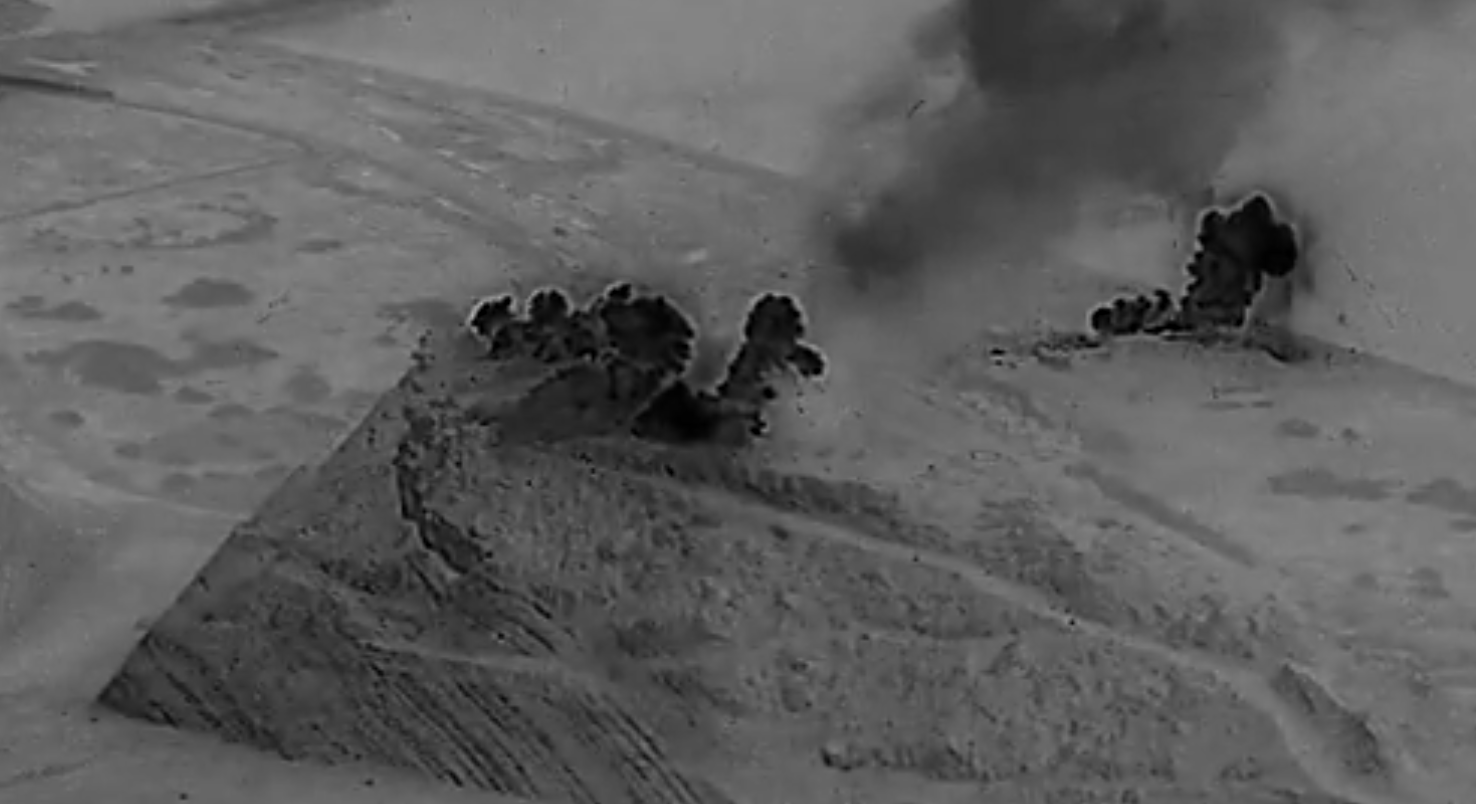
“Hours ago, US forces successfully employed multiple 5,000-pound deep penetrator munitions on hardened Iranian missile sites along Iran’s coastline near the Strait of Hormuz,” the regional command said on X around 7 p.m. EST.
Officials said the weapons used were designed to destroy deeply buried targets. A U.S. official told CNN the munitions were the GBU-72 Advanced 5K Penetrator, a powerful bomb first deployed by U.S. aircraft in 2021.
The Air Force previously described the weapon as capable of overcoming “hardened, deeply buried target challenges,” making it suitable for both fighter jets and bombers tasked with eliminating fortified positions.
According to CENTCOM, the targeted sites housed anti-ship cruise missiles that posed a direct threat to vessels attempting to pass through the narrow waterway.
“The Iranian anti-ship cruise missiles in these sites posed a risk to international shipping in the strait,” the command added.
The strikes come as the strategic corridor has effectively been shut down by Iranian actions, including the use of mines, drones, and ships. The disruption has halted roughly 27% of global maritime energy traffic, sending some oil futures soaring past $100 per barrel.
The situation has drawn sharp criticism from President Donald Trump, who has publicly blasted European allies, including France and the United Kingdom, for declining to assist in reopening the vital passage.
Military officials say the campaign is far from over.
The U..S will “continue to rapidly deplete Iran’s ability to threaten freedom of navigation in and around the Strait of Hormuz,” said Adm. Brad Cooper, commander of CENTCOM.
“Our progress remains steady, and we remain vigilant against the enemy,” Cooper continued.
Nonetheless, as the conflict intensifies, the fate of one of the world’s most important shipping lanes remains largely uncertain.