Arab–Israeli conflict.
geopolitical conflict in the Middle East and North Africa between Israel and its Arab neighbours

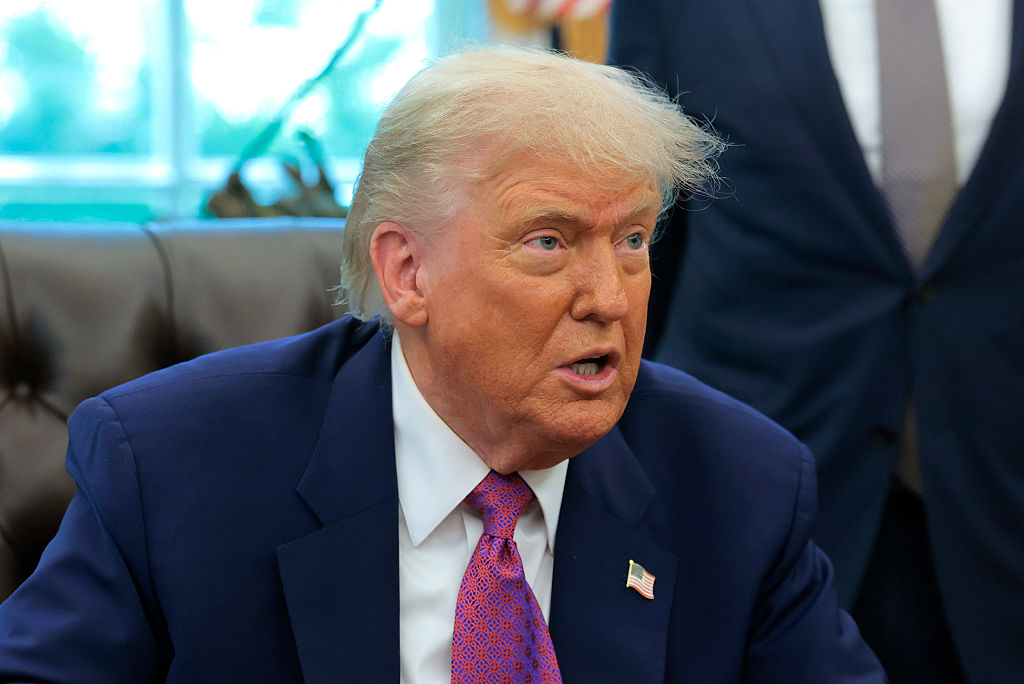
Trump Cuts G7 Trip Short to Return to DC Due to Middle East Conflict
President Donald Trump returned to Washington, D.C., early Tuesday morning, cutting his stay in Canada for the G7 summit short. CBS News reported the change in Trump’s schedule was due to “what’s going on in the Middle…
Reporting · 1 source · Jun 17, 2025Read itThe journal
Open the journal →The conversation starts in the journal — be the first to post.
About Arab–Israeli conflict
Since the declaration of Israel's establishment in 1948, conflict has existed between Israel and the surrounding Arab countries, rooted in the Israeli–Palestinian conflict. Zionists viewed the region of Palestine as the Jewish ancestral homeland and sought to establish a Jewish state or homeland there through colonization, while Arabs generally opposed Zionism, envisioning Palestine as Arab Palestinian land and an essential part of the Arab world. By 1920, sectarian conflict had begun following the first, second, and third waves of Zionist migration to Palestine and the Franco-British occupation and administration (1918–1920) of the former territories of Ottoman Syria (1516–1918) and the dissolution of the Ottoman Empire after World War I. In 1920, following agreements including the 1916 Sykes–Picot treaty between Britain and France, the McMahon–Hussein correspondence, and the Balfour Declaration, which expressed British support for "the establishment in Palestine of a national home for the Jewish people", the League of Nations accorded the Mandate for Palestine to the British, establishing British rule in Mandatory Palestine (1920–1948).
Everything about Arab–Israeli conflict →