



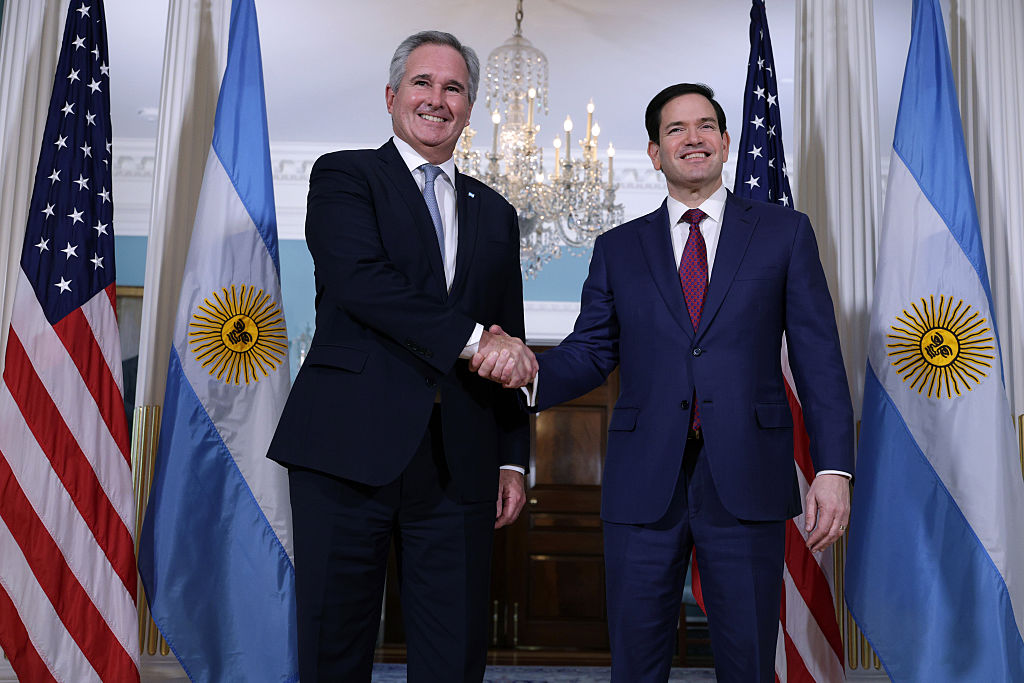
The Trump administration on Thursday unveiled preliminary trade agreements with Argentina, Ecuador, El Salvador, and Guatemala, promising to ease tariffs and open new markets for U.S. industrial and agricultural goods.
According to The Associated Press, officials said the frameworks, expected to be finalized within roughly two weeks, are part of President Donald Trump’s broader effort to reshape global commerce while addressing affordability concerns for American consumers.
The agreements focus on reducing barriers for American-made products, including cutting tariffs to zero, streamlining import licenses, and safeguarding intellectual property rights. Participating countries also committed not to impose digital services taxes on U.S. companies.
Argentina’s President Javier Milei hailed the framework as “tremendous news,” calling it a major step for his country’s economy.
“As you can see, we are strongly committed to making Argentina great again,” he said, marking Argentina’s first bilateral trade framework with the U.S. in nearly a decade.
Guatemala’s President Bernardo Arévalo also praised the deal, highlighting that 70% of the nation’s exports to the U.S. will face zero tariffs under the framework. The remaining goods would still carry a 10% levy.
“This is good news,” he said, noting the agreement positions Guatemala to attract new investments.
Under current tariffs announced in July, the U.S. taxes goods from Argentina, El Salvador, and Guatemala at 10% due to trade surpluses, while Ecuadorian imports face a 15% levy.
The new frameworks would reduce tariffs on select products such as coffee, cocoa, and bananas, lowering costs for American consumers.
A senior administration official emphasized that the agreements are designed to benefit U.S. companies and families alike.
Treasury Secretary Scott Bessent and President Trump have highlighted the importance of tariff adjustments to ease affordability pressures for voters.
The frameworks illustrate the administration’s strategy to combine targeted protectionist measures with expanded access for U.S. businesses, strengthening economic ties across Latin America while promoting trade that favors American industry and consumers.