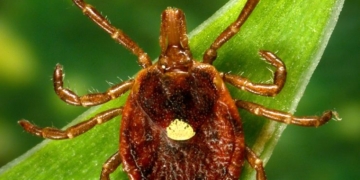




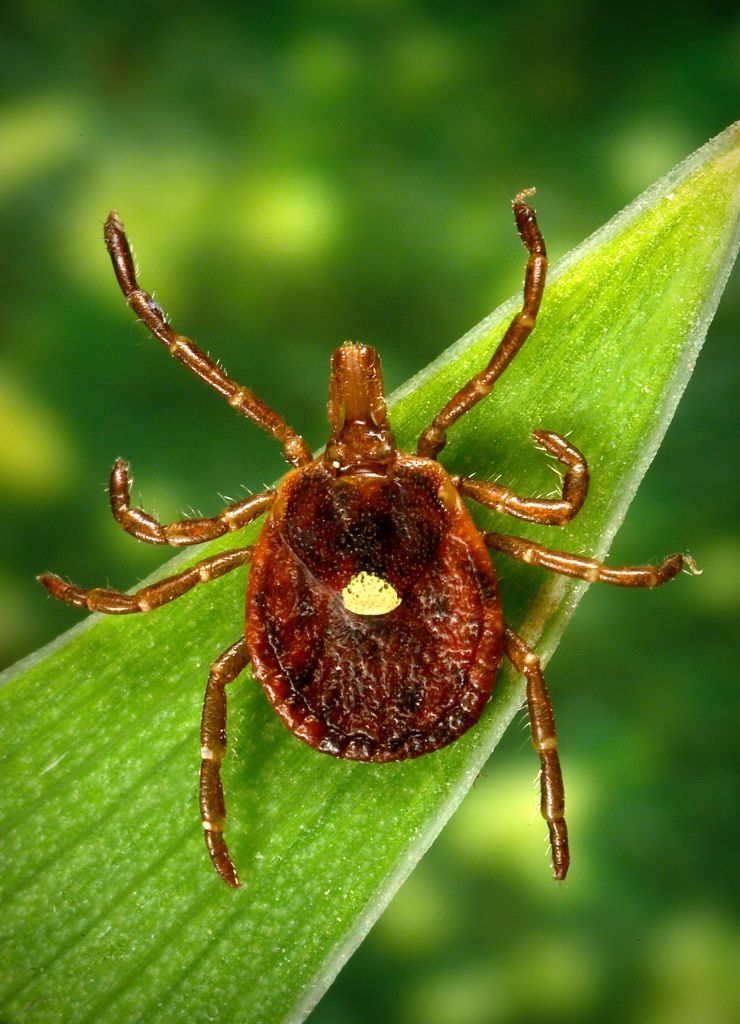
Researchers say they have identified what appears to be the first documented death caused by alpha-gal syndrome — a severe meat allergy triggered by certain tick bites — after a 47-year-old New Jersey man died last year following a reaction to red meat.
According to The Associated Press, Alpha-gal syndrome, first linked to bites from the Lone Star tick in 2011, has caused an estimated 100,000 Americans to develop sudden allergies to beef, pork, and other mammalian meat. Until now, no fatal cases had been confirmed.
The new case report, published in the Journal of Allergy and Clinical Immunology, details the man’s sudden decline and the evidence pointing to the rare allergy. Dr. Thomas Platts-Mills of the University of Virginia — the same researcher who helped identify the syndrome over a decade ago — led the study.
Federal health officials have not commented, but experts say this appears to be the first thoroughly documented fatal reaction.
“It’s possible other deaths have happened but were assumed to be from other causes,” said Joshua Benoit, a tick biologist at the University of Cincinnati.
Dr. Scott Commins, a leading researcher at the University of North Carolina, called the death an “unmitigated tragedy,” adding, “Totally unnecessary and with increased awareness, this won’t happen again.”
According to the report, the man — a healthy airline pilot — went camping with his family in the summer of 2024. He rarely ate red meat but had steak that night. Around 2 a.m., he woke with severe stomach pain, vomiting, and diarrhea. He recovered enough to resume normal activities by morning.
Two weeks later, he ate a hamburger at a barbecue back home in New Jersey. Roughly four hours later, he became violently ill. His son found him unconscious on the bathroom floor. Paramedics rushed him to a hospital, but he was declared dead that night.
Blood tests later revealed markers consistent with alpha-gal syndrome. While researchers could not definitively prove a Lone Star tick bite, his wife recalled he had a dozen or more “chigger-like” bites earlier that summer — often confused with larval tick bites in the eastern U.S.
Alpha-gal syndrome causes symptoms ranging from hives and nausea to severe stomach pain, dizziness, swelling of the lips and throat, and difficulty breathing. Unlike typical food allergies, reactions often occur hours after eating meat.
The condition has been rising nationally, thanks in part to the Lone Star tick’s expanding range and growing awareness among doctors, who now more frequently test for it.
Symptoms may start mild and worsen after each exposure. For some patients, stomach issues are the only sign, prompting the American Gastroenterological Association to recommend testing anyone with unexplained gastrointestinal problems.
Researchers warn that as tick populations expand, more Americans may unknowingly become vulnerable — making awareness critical.