


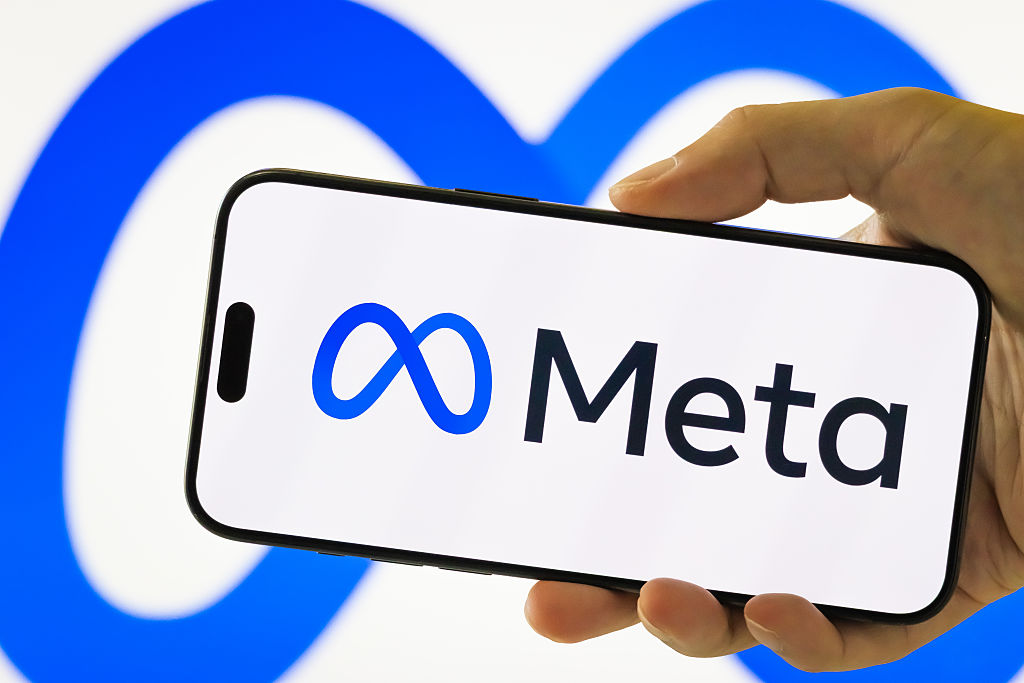
Meta Platforms Inc. scored a major legal victory Tuesday after a federal judge ruled the company does not hold a monopoly in social networking, ending a years-long antitrust challenge from the Federal Trade Commission.
According to The Associated Press, U.S. District Judge James Boasberg issued the ruling after a landmark trial that wrapped up in May, rejecting the FTC’s claims that Meta’s acquisitions of Instagram and WhatsApp constituted an ongoing effort to stifle competition.
“The Court’s verdict today determines that the FTC has not shown Meta holds monopoly power now,” Boasberg wrote.
He noted that while the agency argued Facebook had pursued a “better to buy than compete” strategy under CEO Mark Zuckerberg, past acquisitions did not establish current monopoly power.
“Whether or not Meta enjoyed monopoly power in the past, the agency must show that it continues to hold such power now,” he added.
The FTC had contended that Meta used its dominant position to prevent competitors from gaining traction, citing internal emails from Zuckerberg and other executives.
During the trial, Zuckerberg defended the acquisitions, arguing that emails from 2012, when Instagram and WhatsApp were bought, did not fully reflect his intentions and that the FTC’s focus on historical deals did not prove present monopoly power.
Boasberg emphasized that the social media landscape has shifted dramatically since the FTC filed the lawsuit in 2020. Platforms like TikTok now dominate the market, breaking down the traditional lines between social networking and social media.
Quoting Heraclitus, the judge wrote, “no man can ever step into the same river twice,” noting that Meta’s competitive environment has changed over the past five years.
Meta welcomed the ruling. “Our products are beneficial for people and businesses and exemplify American innovation and economic growth,” the company said in a statement. “This decision recognizes that Meta faces fierce competition.”
Analysts noted the victory is a boost for Meta but cautioned that regulatory scrutiny is far from over. Minda Smiley of eMarketer said, “Major social networks will face landmark trials in the US regarding children’s mental health next year. Still, today’s win is a significant relief for Meta as it navigates mounting criticism over AI investments and competitive practices.”
The ruling preserves Meta’s ability to operate Instagram and WhatsApp as part of its portfolio, securing a key element of the company’s strategy to remain dominant in mobile and social media markets.
Jennifer Newstead, Chief Legal Officer, Meta, told IJR in a statement: “The Court’s decision today recognizes that Meta faces fierce competition. Our products are beneficial for people and businesses and exemplify American innovation and economic growth. We look forward to continuing to partner with the Administration and to invest in America.”