



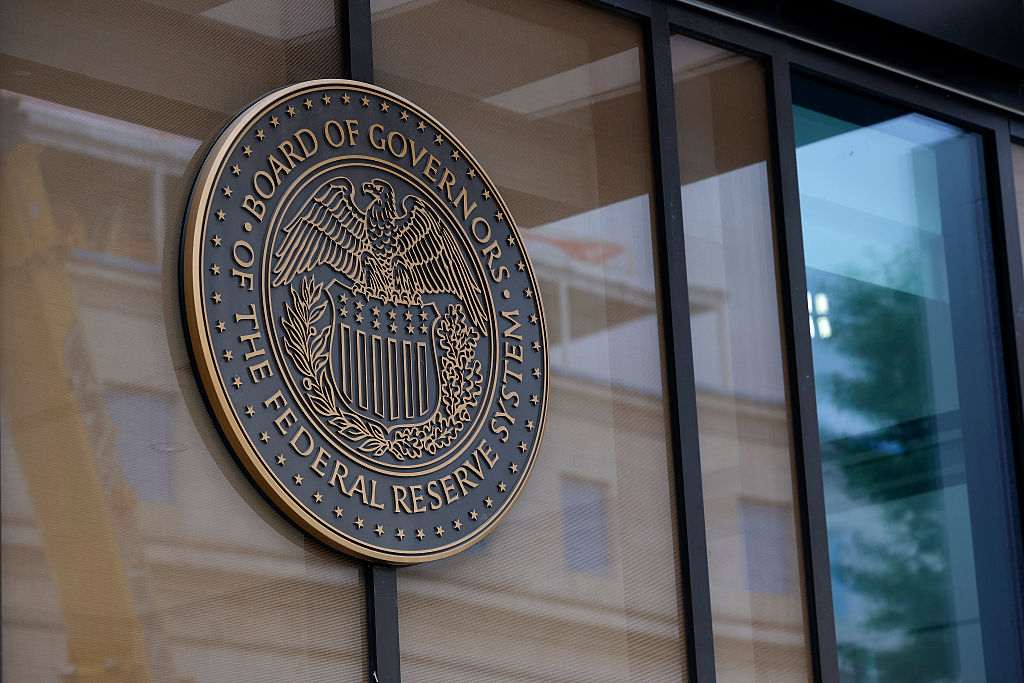
The Federal Reserve’s chief banking regulator rolled out a major overhaul of the agency’s supervisory approach on Tuesday, drawing applause from financial industry groups and immediate pushback from her predecessor.
According to The Associated Press, the new guidelines, issued by Vice Chair for Supervision Michelle Bowman, instruct bank examiners to prioritize core financial threats instead of what she described as overemphasis on “processes, procedures, and documentation.”
The changes were outlined in an internal memo dated Oct. 29 but made public this week.
Bowman, appointed to her position by President Donald Trump in March, said the revisions would refocus the Fed’s oversight on issues that truly affect a bank’s health.
“By anchoring our work in material financial risks, we strengthen the banking system’s foundation while upholding transparency, accountability, and fairness,” Bowman said in a statement. She added that the approach will “sharpen” how supervisors identify meaningful weaknesses.
The shift comes as the Trump administration continues to unwind several layers of post-2008 regulation. The Consumer Financial Protection Bureau has curtailed many rules enacted under President Joe Biden, and other agencies have similarly retooled their oversight practices.
Michael Barr, the Fed governor who previously held Bowman’s role, blasted the changes during remarks on Tuesday. Barr warned that easing oversight could leave banks exposed to dangerous vulnerabilities.
“We are now, I believe, at a moment of inflection in the regulatory and supervisory approaches that help keep banks healthy,” Barr said. “There are growing pressures to weaken supervision … in ways that will make it harder for examiners to act before it is too late to prevent a build-up of excessive risk.”
The Fed’s announcement mirrors an earlier move by the Office of the Comptroller of the Currency, which loosened its own supervisory standards and removed reputational risk from exam criteria.
Under the Fed’s new framework, examiners will focus on material threats to a bank’s balance sheet — such as bad loans or unsafe business models — rather than broad compliance checklists. Banks will also be able to self-certify certain supervision items, a change long sought by financial firms.
“Banks are most resilient when their examiners prioritize material financial risks, not check-the-box compliance exercises,” said Greg Baer, president and CEO of the Bank Policy Institute, welcoming the shift.
The guidelines also call for greater deference to other regulators, including the OCC and state-level agencies, on decisions about who should have primary oversight of a financial institution.
Bowman has simultaneously pushed to reduce the Fed’s supervisory staff by about 30% through attrition — a downsizing that Barr criticized sharply.
The cuts, he argued, “will impair supervisors’ ability to act with the speed, force, and agility appropriate to the risks facing individual banks and the financial system.” He warned that a smaller staff will slow response times, weaken enforcement, and hinder regulators’ ability to anticipate emerging threats.
The opposing reactions signal that the fight over U.S. banking oversight is far from over, even as regulators move quickly to implement the new standards.