



Tatiana Schlossberg, granddaughter of President John F. Kennedy, disclosed on Saturday that she has been diagnosed with terminal cancer, stating that her doctors estimate she may have about a year to live.
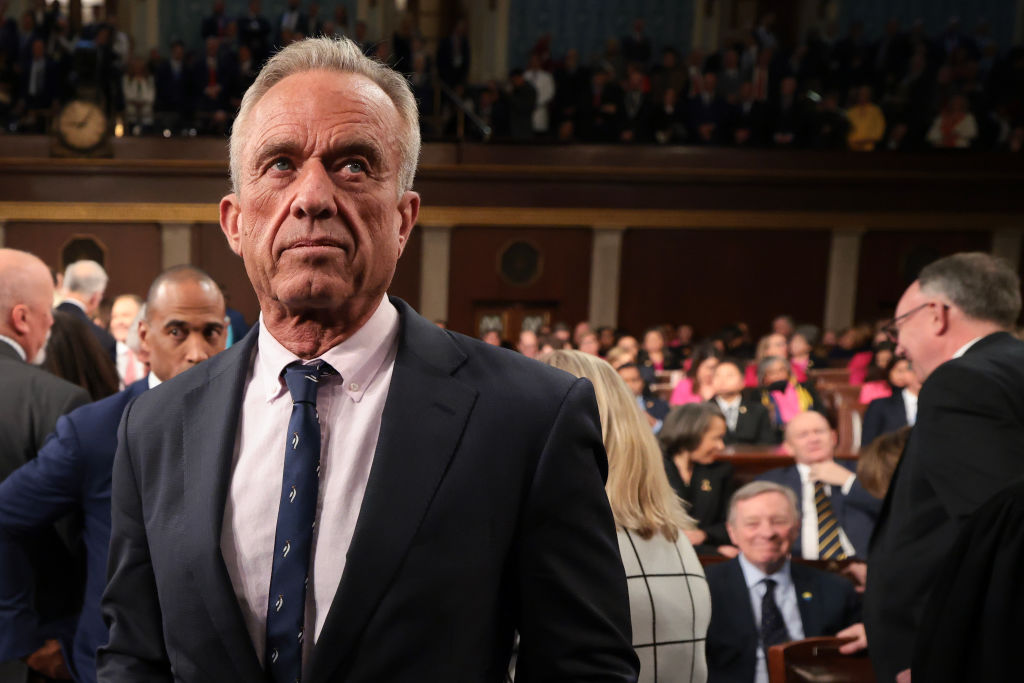
According to The Associated Press, Scholssberg used an essay published by The New Yorker to critique policies advanced by her cousin, Health and Human Services Secretary Robert F. Kennedy Jr., that she believes could harm cancer patients.
Schlossberg, 34, the daughter of Caroline Kennedy and Edwin Schlossberg, revealed she was diagnosed with acute myeloid leukemia in May 2024, shortly after the birth of her second child.
Her doctor noticed abnormal white blood cell counts, which led to the diagnosis of a rare mutation usually found in older adults.
In her essay, published on the 62nd anniversary of her grandfather’s assassination, Schlossberg detailed the grueling treatment she has endured.
She has undergone chemotherapy, two stem cell transplants—first from her sister and then from an unrelated donor—and participated in clinical trials.
During the latest trial, her doctor told her he could “keep me alive for a year, maybe.”
The essay also included a pointed critique of her cousin’s policies. Schlossberg highlighted that Robert F. Kennedy Jr. supported cuts of nearly $500 million for mRNA vaccine research, technology she said could have applications in cancer treatment.
She argued that such decisions “hurt people like me” and pointed out that her mother, Caroline Kennedy, urged senators to reject his confirmation.
Beyond her political concerns, Schlossberg wrote poignantly about the personal impact of her illness.
She expressed fear that her children would grow up without her and described the grief of knowing she won’t get to continue living the “wonderful life” she shares with her husband, George Moran.
“For my whole life, I have tried to be good, to be a good student and a good sister and a good daughter, and to protect my mother and never make her upset or angry,” Schlossberg wrote. “Now I have added a new tragedy to her life, to our family’s life, and there’s nothing I can do to stop it.”
Her essay combines a deeply personal account of facing a terminal illness with a critique of policy decisions she believes have real-world consequences for patients battling serious diseases.