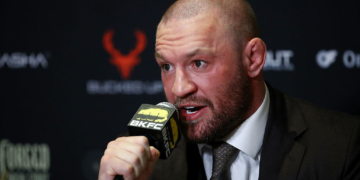




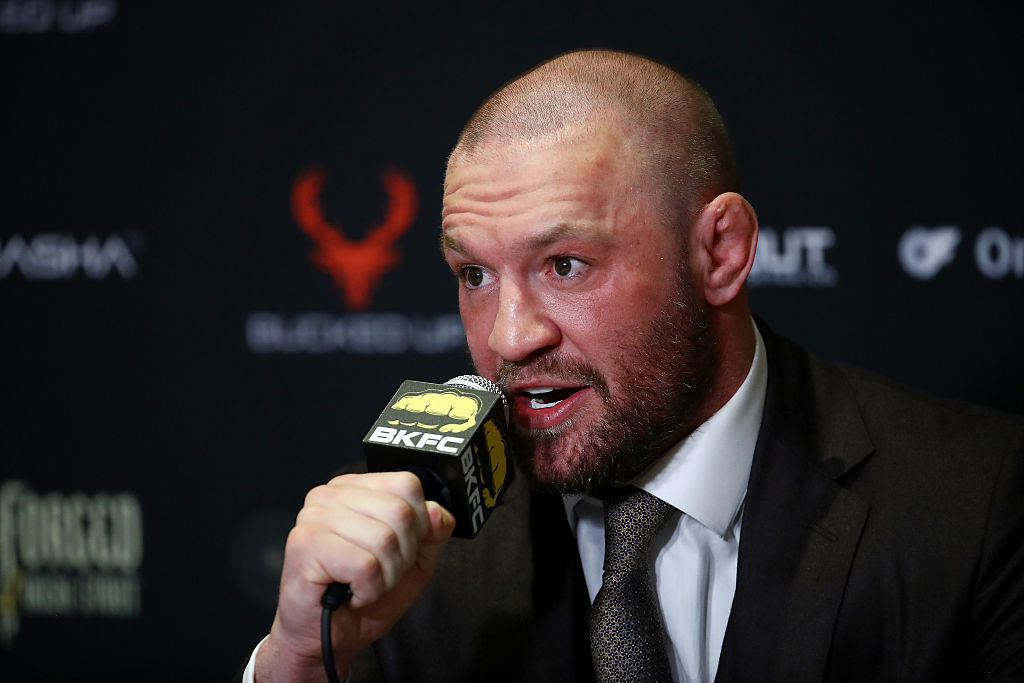
Conor McGregor says he has undergone an intense and deeply personal medical journey in recent months, revealing on social media that he traveled to Tijuana, Mexico, to receive Ibogaine treatment under the guidance of doctors connected to Stanford University.
According to Fox News, the former UFC champion said the treatment — a psychoactive therapy derived from plant compounds — was meant to address trauma and lingering effects tied to traumatic brain injuries, PTSD, anxiety, and depression.
“I was blessed to meet the most forward thinking doctors from Stanford University and undergo a series of treatments to address trauma. I traveled to Tijuana Mexico and underwent Ibogaine treatment at AMBIO,” McGregor wrote on X.
McGregor described the experience in vivid spiritual detail.
“It was incredible, intense, and absolutely eye-opening,” he wrote. “I was shown what would have been my death. How soon it was to be, and how it would have impacted my children. I was looking down on myself as it happened, and then I was looking out from the coffin. God then came to me in the Holy Trinity.”
According to McGregor, the visions continued as he said he saw “Jesus descended from the white marble steps of heaven and anointed me with a crown.”
“I was saved! My brain. My heart. My soul. Healed!” he continued. “I was 36 hours under before I finally rested. When I awoke I was me again. The most enlightening and enchanting experience I have ever undertaken.”
McGregor called the treatment “worth its weight in GOLD,” claiming it not only changed his life but also “saved my family.”
Ibogaine is not approved for medical use in the United States, though Stanford researchers have promoted its potential therapeutic value. In a January 2024 report, they wrote that ibogaine, when used alongside magnesium for cardiac protection, “safely and effectively reduces PTSD, anxiety and depression and improves functioning in veterans with TBIs.”
However, the drug carries significant risks. A University of Virginia School of Medicine study found it can cause unwanted psychological effects and cardiotoxicity, including potential damage to the heart.
McGregor’s announcement comes as he continues serving an extended UFC suspension. In October, the promotion said he had accepted an 18-month ineligibility period after missing three attempted biological sample collections within 12 months — a violation of the UFC’s anti-doping rules.
His suspension is retroactive to the date of his final missed test, making him eligible to compete again in March 2026 — just months before a potential White House fight card McGregor has publicly said he hopes to headline.