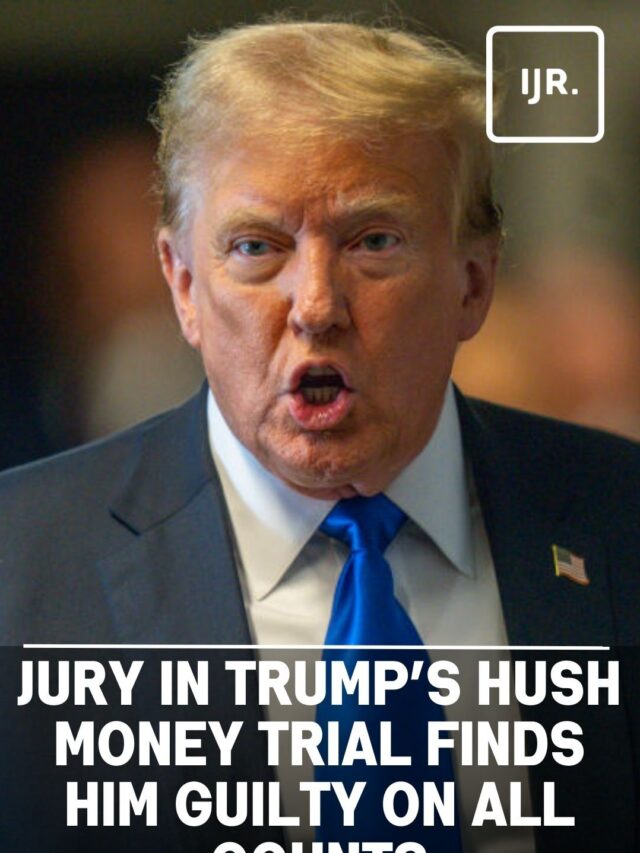




President Donald Trump signaled Tuesday that Americans could soon see the end of federal income taxes, suggesting that soaring tariff revenue under his administration may allow for a dramatic restructuring of the nation’s tax system.
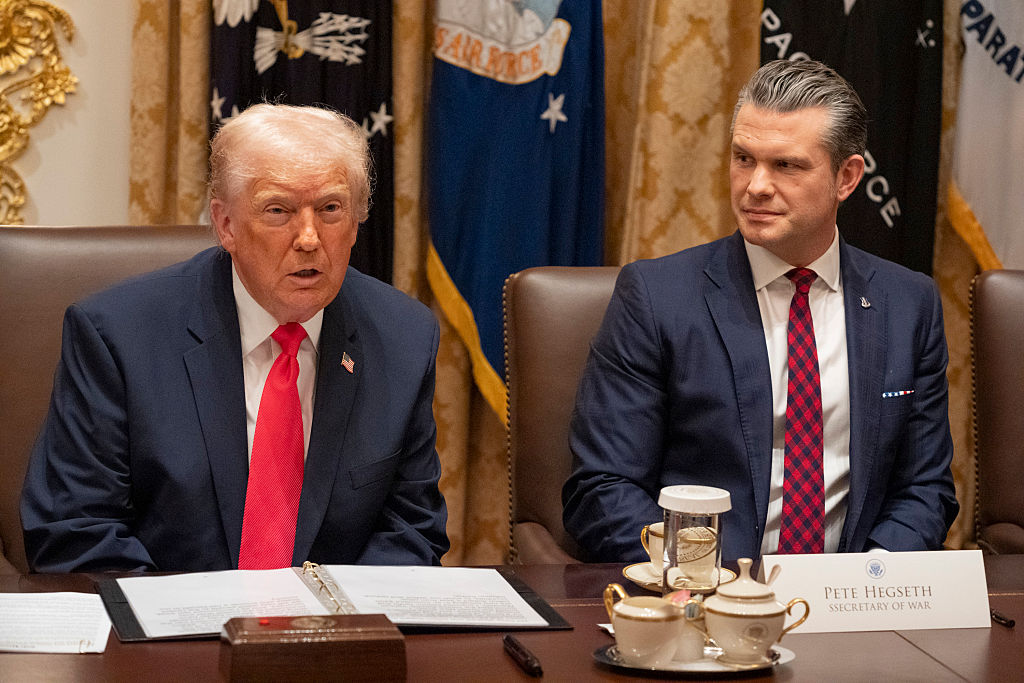
According to FOX Business, speaking with reporters after a cabinet meeting, Trump said the government is now taking in revenue that is “so great… so enormous” that income taxes may no longer be necessary.
“At some point in the not-too-distant future, you won’t even have income tax to pay,” he said.
He added that the federal government could “get rid of it or just keep it around for fun,” but insisted that Americans ultimately “won’t be paying income tax.”
Such a move would represent one of the most sweeping tax overhauls in more than 100 years.
While various conservatives have floated the idea of replacing income taxes with tariffs over the years, Trump’s remarks marked his clearest endorsement yet of eliminating the tax.
During the early months of his second term, Trump proposed removing income taxes for individuals earning under $150,000, with tariffs intended to make up the lost revenue. He framed the shift as a return to what he described as a historic model of American economic strength.
“It’s time for the United States to return to the system that made us richer and more powerful than ever before,” Trump said in January. “Instead of taxing our citizens to enrich foreign nations, we should be tariffing and taxing foreign nations to enrich our citizens.”
Trump has not shied away from the idea in other settings.
When podcaster Joe Rogan asked him if he was serious about eliminating personal income taxes, Trump responded, “Yeah, sure, why not?” adding that tariffs could replace wage-based taxation.
The president’s current views differ from past policy explorations.
During his brief consideration of a Reform Party presidential bid in 1999, he floated a one-time “net worth” tax on households with over $10 million in assets.
Eliminating federal income taxes would require extensive changes to the tax code and almost certainly face stiff resistance in Congress, even with Republicans holding a narrow House majority.
The magnitude of the proposal also places it well outside traditional fiscal debates, though Trump’s tariff-heavy approach has increasingly pushed the conversation into mainstream political territory.
Whether the suggestion becomes a formal policy proposal remains unclear, but Trump’s comments underscore his willingness to challenge long-standing federal tax structures — and hint at a potential centerpiece for future economic plans.