



Decades after a notorious drug lord imported exotic animals into the countryside, Colombia is now grappling with the consequences — and officials say drastic action is needed.
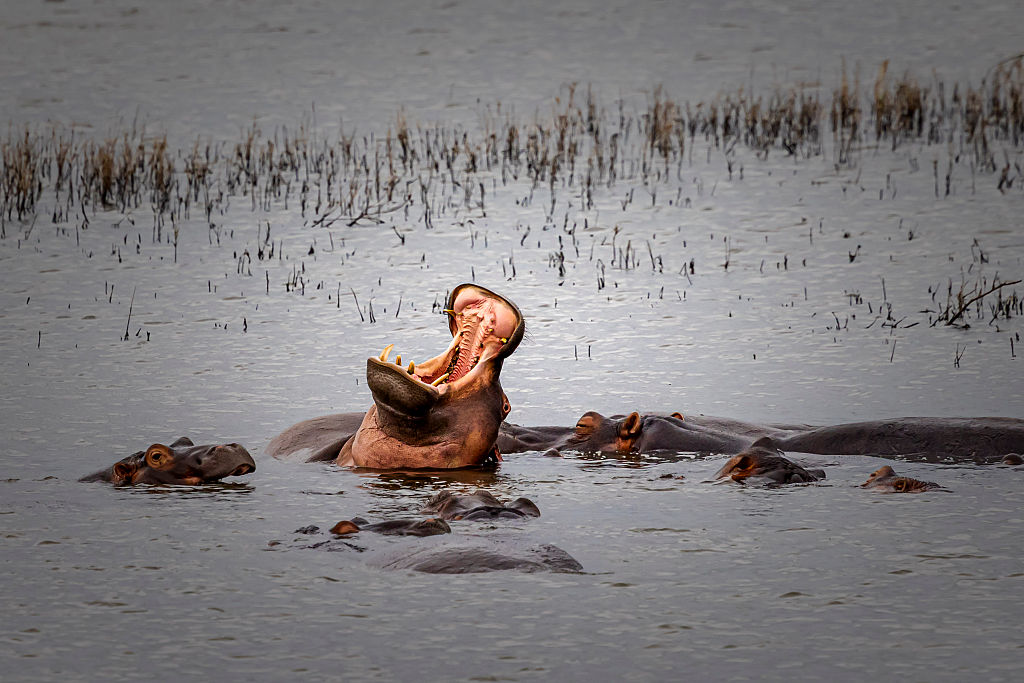
According to the New York Post, the government has approved a plan to euthanize dozens of wild hippos roaming the country’s central region, animals that have multiplied rapidly since their introduction in the 1980s by Pablo Escobar.
Authorities say up to 80 hippos could be affected under the plan, which is being described as a last-resort effort to rein in a growing and difficult-to-manage population.
Environment Minister Irene Vélez said previous attempts to control the animals — including sterilization programs — have proven too costly and ineffective.
“If we don’t do this, we will not be able to control the population,” Vélez said. “We have to take this action to preserve our ecosystems.”
The initiative carries a budget of roughly $1.98 million and will also include measures such as relocating and confining some of the animals.
The hippos are descendants of just four that Escobar brought to his private estate, Hacienda Nápoles, located in the Magdalena River valley.
Since then, the population has spread far beyond the former ranch, with the animals now roaming dozens of miles into surrounding areas.
Officials warn the hippos pose risks to nearby communities and ecosystems.
Environmental authorities say the animals have become an invasive species, competing with native wildlife — including river manatees — for food and space.
At the same time, the animals have drawn curiosity and tourism.
The former estate has since been converted into a theme park, where visitors can see remnants of Escobar’s collection of exotic species.
Still, the euthanasia plan has sparked backlash.
Andrea Padilla, an animal rights advocate, condemned the move.
“Killings and massacres will never be acceptable,” Padilla wrote. “These are healthy creatures who are victims of the negligence of government entities.”
Efforts to return the hippos to Africa have been ruled out, officials say, due to concerns about disease and the limited genetic diversity of the population.
With options narrowing, authorities argue the controversial plan may be the only way to prevent further environmental damage and safety risks.












