
As the Supreme Court weighs a major case on birthright citizenship, old comments from prominent Democrats have started circulating again, stirring up strong reactions online, particularly among conservatives.
One of the most widely shared clips features former Senate Majority Leader Harry Reid speaking on the Senate floor in 1993. At the time, Reid argued that U.S. policy created incentives for illegal immigration, pointing specifically to birthright citizenship. He questioned whether it made sense for someone to enter the country unlawfully, have a child, and in doing so secure citizenship and access to public services for that child.
Reid made those remarks while introducing the Immigration Stabilization Act of 1993, a broader reform proposal. Part of the bill aimed to deny automatic citizenship to children born in the U.S. if their mothers were neither citizens nor lawful permanent residents. Decades later, Reid distanced himself from that position, calling the proposal a mistake in 2018. He died in 2021 at age 82.
The resurfaced footage has prompted criticism and accusations of inconsistency from conservative commentators and politicians. Many pointed to Reid’s influence within the Democratic Party and questioned why similar views today are often labeled harshly when expressed by Republicans. Some framed it as evidence that political positions shift depending on the moment or the messenger.
Reid isn’t the only Democrat whose past remarks have drawn attention. Comments from the late Sen. Dianne Feinstein have also been widely shared.
In a 1993 clip, Feinstein raised concerns about individuals entering the U.S., using public benefits like Medicaid to cover childbirth, and then leaving the country. She argued that such practices were being exploited and should be addressed.
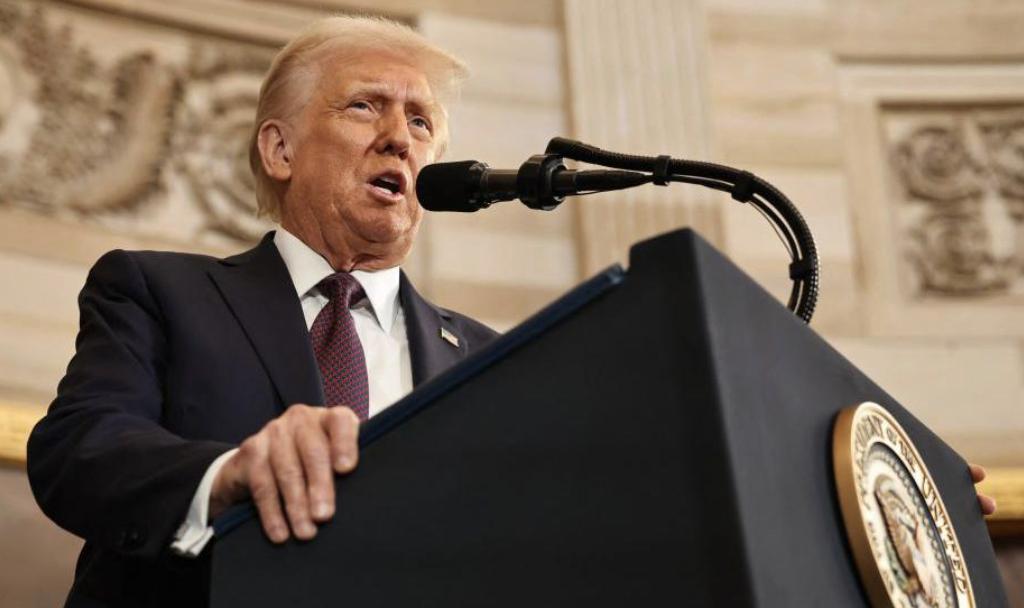
These older statements have resurfaced at a time when the issue is once again front and center. The Trump administration is currently asking the Supreme Court to uphold an executive order that would limit automatic citizenship for children born in the U.S. to undocumented parents or those on temporary visas.
The case has put renewed focus on the 14th Amendment, particularly its citizenship clause, which has long been interpreted to grant citizenship to nearly anyone born on U.S. soil.
The administration argues that this interpretation has drifted from the amendment’s original meaning, while opponents say it is well-established law backed by more than a century of precedent.
With the Court now considering the issue, the debate has expanded beyond legal arguments to include history, politics, and shifting positions from figures on both sides.