



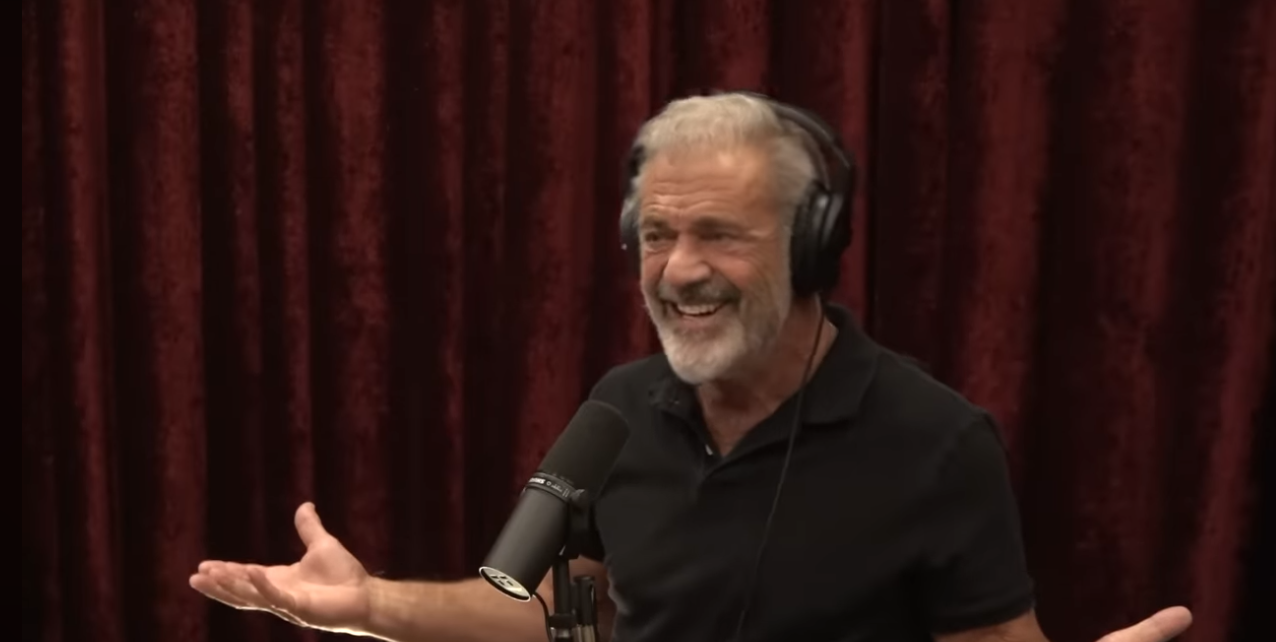
Comments made by actor and director Mel Gibson on Joe Rogan’s massively popular podcast are now being linked to a sharp rise in prescriptions for controversial, unproven cancer treatments.
According to the New York Post, the study examined prescription trends after Gibson appeared on Rogan’s show in January 2025 and claimed that three friends battling Stage 4 cancer had fully recovered after taking a combination of ivermectin and fenbendazole.
The podcast episode quickly exploded online, pulling in more than 60 million views during its first month and spreading the claims far beyond traditional medical circles.
Gibson told listeners the three individuals no longer had cancer “at all” after taking the drugs.
Ivermectin, an antiparasitic drug that became politically divisive during the COVID-19 pandemic, and fenbendazole, a deworming medication typically used in animals, have both circulated online for years as alternative treatments.
Researchers found prescriptions tied to the combination surged in the months following the interview.
Among cancer patients specifically, prescriptions rose to more than two-and-a-half times previous levels, while rates in Southern states reportedly climbed to more than triple what they had been in 2024.
Medical experts warned, however, that there is still no reliable clinical evidence showing either drug safely or effectively treats cancer in humans.
Dr. Skyler B. Johnson of the University of Utah Huntsman Cancer Institute said laboratory and animal studies have shown limited anti-cancer effects, but the doses required would likely be considered toxic for human patients.
Johnson also warned the drugs could interfere with how the body processes legitimate cancer treatments and other medications.
Researchers behind the UCLA-led study expressed concern that patients may abandon proven treatments in favor of internet-driven alternatives.
“As a primary care doctor, I want my patients and people across the country to have the chance to get treatments we know can help them live longer, healthier lives,” senior study author Dr. John N. Mafi said.
“When prescribing for an unproven cancer treatment more than doubles after a single podcast, especially among men and people in the South, it raises a concern that patients may be skipping or delaying treatments we know work in favor of something that hasn’t been proven to help them,” he added.