



For years, political consultants insisted there was only one way to win:
Raise massive money.
Secure elite endorsements.
Wait your turn.
Hire the same consultants who lose every cycle and somehow stay employed.
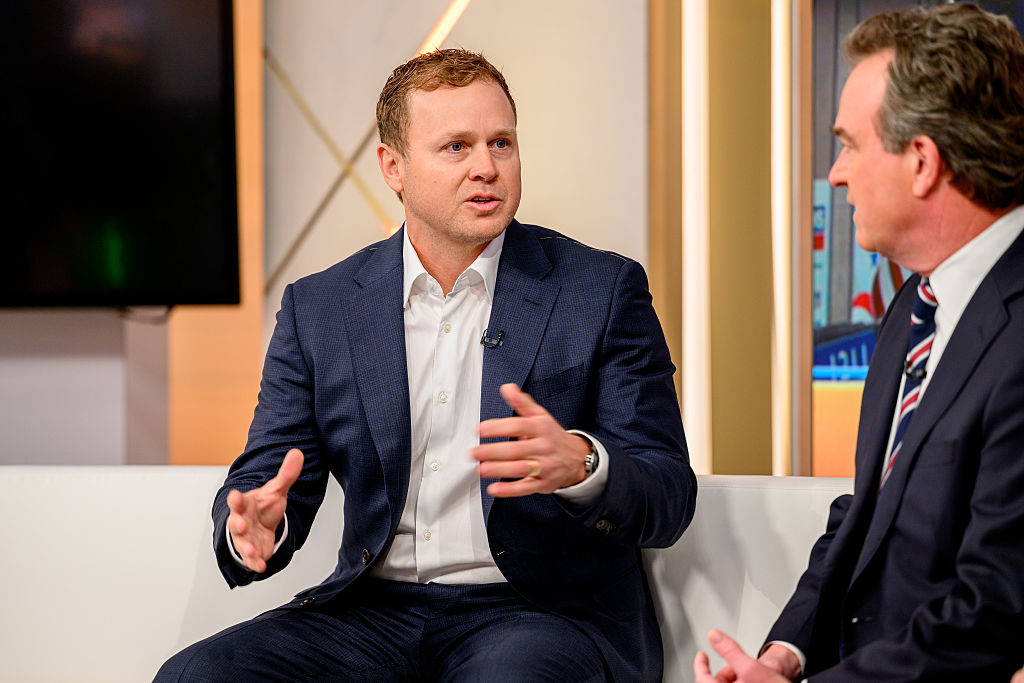
And then Spencer Pratt showed up.
Yes, that Spencer Pratt.
The reality TV villain turned social media chaos agent is now sitting in a dead heat in Los Angeles County’s mayoral race — something that should terrify every establishment political machine in America.
Not because Spencer Pratt is the perfect candidate.
But because he understands the modern attention economy better than almost every politician alive.
And attention is now the most valuable currency in politics.
For decades, conservatives have misunderstood the battlefield. They’ve treated politics like it’s still 1998: carefully crafted talking points, donor dinners, consultant-tested slogans, waiting for validation from party gatekeepers or a blessing from national figures.
Meanwhile, culture changed completely.
Today, a single viral video can generate more influence than a million-dollar TV ad buy. An AI-generated clip can spread to millions overnight. A candidate with a phone and courage can become a household name faster than traditional media can even react.
Spencer Pratt understands this instinctively.
He doesn’t wait for permission.
He doesn’t ask legacy media to like him.
He doesn’t obsess over sounding “acceptable” to political insiders.
He understands something many conservative candidates still refuse to admit:
The internet rewards authenticity, entertainment, boldness, and conflict — not polished mediocrity.
That’s why so many Republican candidates keep losing races they should at least make competitive. Even when conservatives have momentum nationally, many local candidates still campaign like cautious corporate HR managers terrified of offending someone.
The modern voter doesn’t reward caution.
They reward conviction.
And here’s the uncomfortable truth for Republicans:
Many conservatives are still trying to build campaigns around proximity to President Donald Trump instead of building movements around their own identity and courage.
Trump changed politics because he bypassed the establishment. But now, ironically, many candidates spend their entire campaigns trying to prove they are close enough to the new establishment figure instead of becoming disruptive forces themselves.
To much of the general public, Trump is no longer the outsider. He is the establishment.
That creates a massive opening for a new generation of candidates willing to operate differently.
The future political winners won’t necessarily be the most qualified on paper. They’ll be the people who understand narrative velocity. Meme culture. Viral communication. AI-generated storytelling. Internet-native persuasion.
They’ll know how to dominate attention without spending $100 million.
And most importantly, they’ll understand that people are desperate for candidates who appear fearless.
Not focus-grouped.
Not over-coached.
Not manufactured.
Fearless.
Spencer Pratt may never become mayor. But that almost misses the point.
The fact that someone like him can even become politically viable in a place like Los Angeles County proves the entire political operating system is changing in real time.
The old gatekeepers are losing control.
And the candidates who realize that first — especially conservatives willing to stop waiting for permission — are going to redefine American politics over the next decade.