



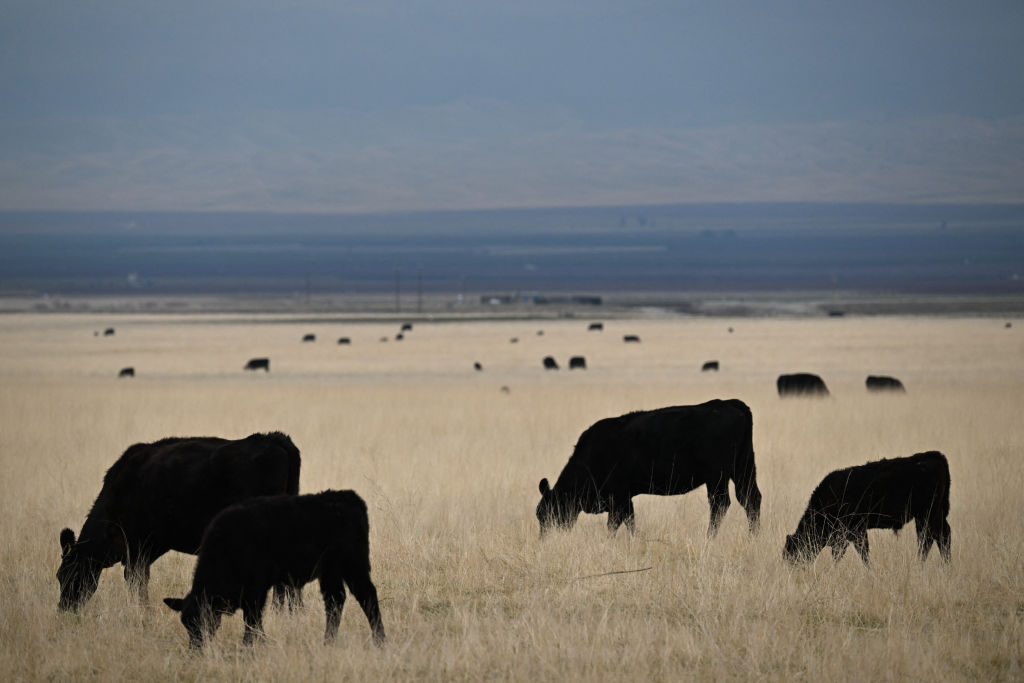
Beef prices are soaring to unprecedented levels — and Americans are still filling their carts with steaks, roasts, and ground beef at a pace that continues to surprise economists.
According to FOX Business, despite higher costs at the meat counter, demand remains remarkably strong. That consumer behavior, experts say, is helping fuel the very price increases shoppers are facing.
Glynn Tonsor, a professor of agricultural economics at Kansas State University, told Fox News Digital that the trend is unmistakable.
“There’s nothing that forces me or you or anybody else when we go into the grocery store to pay more for beef. People are choosing to,” he said.
“The consumer desire for beef is strong and, regardless of the supply-side situation, that has the effect of pulling prices up.”
USDA data shows just how sharply prices have risen. The average price per pound climbed from roughly $8.40 in March to $9.18 by August 2025 — an increase of about 9% in just a few months.
Even so, Americans are buying more beef than ever. In 2024, shoppers spent more than $40 billion on fresh beef, accounting for more than half of all fresh-meat sales, according to Beef Research, a contractor to the National Cattlemen’s Beef Association.
Industry analysts expect supplies to tighten even further in 2025, which could put additional upward pressure on prices. Yet economists say beef still reaches consumers at a relatively accessible price point thanks to the scale of the U.S. cattle industry.
“I would argue that those economies of scale benefit consumers,” Tonsor said. “The ability to operate at a cheaper cost per head and, ultimately, per pound produced gives us the ability to offer beef and every other item we’re talking about at a cheaper price. Anything we do that loses those economies of scale actually hurts consumers in the form of higher prices.”
But strong demand is only one side of the story. Ranchers continue to grapple with supply challenges brought on by years of drought, high feed costs, and an aging ranching population.
Those pressures have pushed the nation’s cattle supply to its lowest level in more than 70 years.
Derrell Peel, a professor of agricultural economics at Oklahoma State University, said rebuilding supply will not happen quickly.
“The fact of the matter is there’s really nothing anybody can do to change this very quickly,” Peel said. “We’re in a tight supply situation that took several years to develop, and it’ll take several years to get out of it.”
He noted that cattle production moves on a long timeline — it takes about two years to bring animals to market and several years to rebuild depleted herds.
Meanwhile, the Trump administration says it is working to ease pressure on consumers by increasing beef imports from countries such as Argentina, while developing a long-term strategy aimed at strengthening the domestic cattle industry.
For now, though, prices continue to climb — and Americans continue to buy.