
A long-running legal fight brought by a wounded U.S. Army veteran will move forward after the Supreme Court of the United States ruled that his claims against a military contractor deserve another look.
According to Fox News, in a 6-3 decision, the justices cleared the way for Winston Tyler Hencely to continue pursuing a Lawsuit tied to a 2016 suicide bombing in Afghanistan that left him with severe, lasting injuries.
Hencely, a former Army specialist, suffered a fractured skull and brain trauma when a Taliban operative detonated a suicide vest at Bagram Airfield. The attacker was reportedly working for Fluor Corporation at the time of the blast.
The case had previously been dismissed by a lower court, which accepted a broad legal argument that lawsuits arising from battlefield activity should be barred.
But the Supreme Court rejected that reasoning.
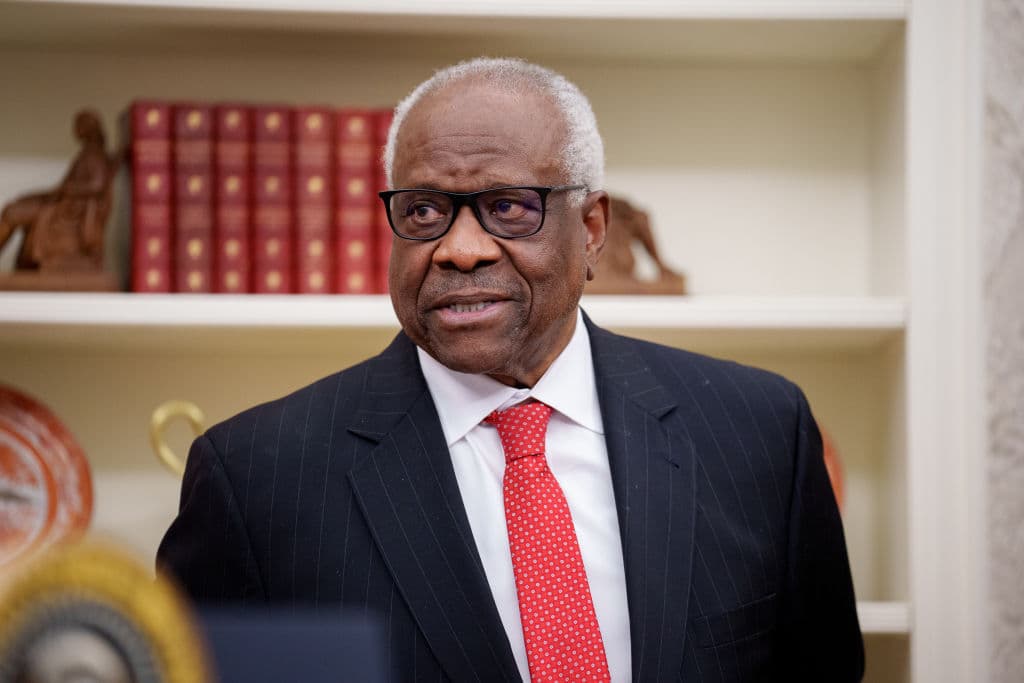
Writing for the majority, Clarence Thomas said contractors are not automatically protected from liability simply because their actions occur in a war zone.
“We vacate the judgment of the Fourth Circuit and remand the case for further proceedings consistent with this opinion,” the ruling states.
The opinion lays out the events behind the case in stark terms.
“In 2016, a Taliban operative working for respondent Fluor Corporation, a military contractor, carried out a suicide-bomb attack at Bagram Airfield in Afghanistan. After then-Army Specialist Winston T. Hencely confronted him, the bomber detonated his suicide vest,” the opinion explains. “As a result of the injuries he received, Hencely is now permanently disabled.”
Hencely’s Lawsuit argues that Fluor should be held responsible under state law for allegedly failing to properly supervise and retain the individual who carried out the attack.
The court noted that both Hencely and the U.S. military contend the contractor’s actions were not authorized.
“In an effort to recover damages for his injuries, Hencely sued Fluor, bringing state-law tort claims for negligently retaining and supervising the attacker. According to Hencely and the United States military, Fluor’s conduct was not authorized by the military and even violated instructions the military had given it as a condition of operating on the base,” the opinion adds.
The ruling drew a dissent from Samuel Alito, John Roberts, and Brett Kavanaugh, who disagreed with the majority’s decision to revive the case.
With the judgment vacated, the lawsuit will now return to the lower courts, where proceedings are set to continue.