



Several Democrat-led states are navigating a delicate balance as they push toward 100% green energy while simultaneously taking legal action against fossil fuel companies for their environmental impact.
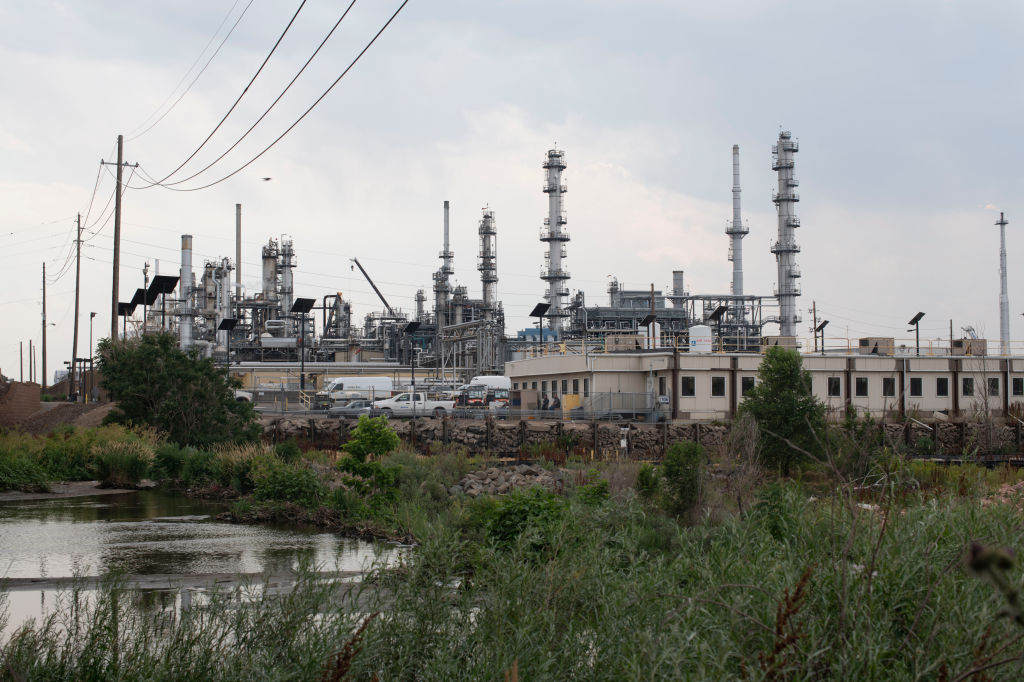
According to Fox News, in Colorado, cities and counties are suing ExxonMobil and Suncor, claiming the companies “greatly contributed to an altered climate” while hiding the dangers of their products.
Boulder, Boulder County, and San Miguel County received approval from the Colorado Supreme Court in May to move forward with the case.
“This case seeks to hold these companies responsible for knowingly contributing to climate change while concealing the dangers of their products,” Boulder city officials said in a statement.
Officials warn that Coloradans could face hundreds of millions of dollars in added costs needed to adapt to a climate shaped by continued fossil fuel use. ExxonMobil countered that federal law preempts the state’s ability to adjudicate these claims.
“We’ve maintained from the beginning this case is meritless and has no place before a state court,” the company said.
Meanwhile, Colorado Governor Jared Polis has set a 2040 goal to fully transition the state away from fossil fuels, but critics question his simultaneous efforts to maintain coal infrastructure.
The Polis administration recently petitioned state regulators to keep Comanche Unit 2 online for at least another year, citing reliability concerns after another coal-fired unit broke down.
“Colorado is well on its way to achieving 100% clean energy and reducing emissions while saving people money and ensuring energy reliability,” Polis spokesperson Eric Maruyama said. “Renewable energy remains the least expensive form of energy, and thanks to Governor Polis’ leadership, in 2024, 43% of Colorado’s total electricity was produced by wind, solar, or other renewable sources while maintaining among the lowest energy costs in the country.”
Hawaii similarly sued oil companies in 2024 under the state constitution’s “public trust doctrine,” alleging deception over fossil fuel harms. California faces a comparable challenge, balancing aggressive renewable deadlines with energy supply concerns.
Former Governor Jerry Brown and Governor Gavin Newsom set a 2045 target under SB-100, but refinery closures by Phillips 66 and Valero have prompted state regulators to intervene to prevent gasoline price spikes.
California Senate Minority Leader Brian Jones criticized the state’s approach.
“Social engineering and market manipulation on the part of government never end well,” he said. “Everyday citizens are the ones paying the price for Gavin Newsom’s political experiments: Gasoline prices are through the roof and rising, and the average family can’t afford to survive, much less thrive, here in the Golden State.”
As Colorado, Hawaii, and California move forward, officials are tasked with simultaneously reshaping energy policy, managing infrastructure, and holding fossil fuel companies accountable, creating a complex and often contradictory landscape in the fight against climate change.












