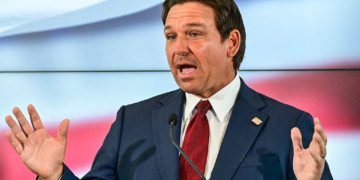




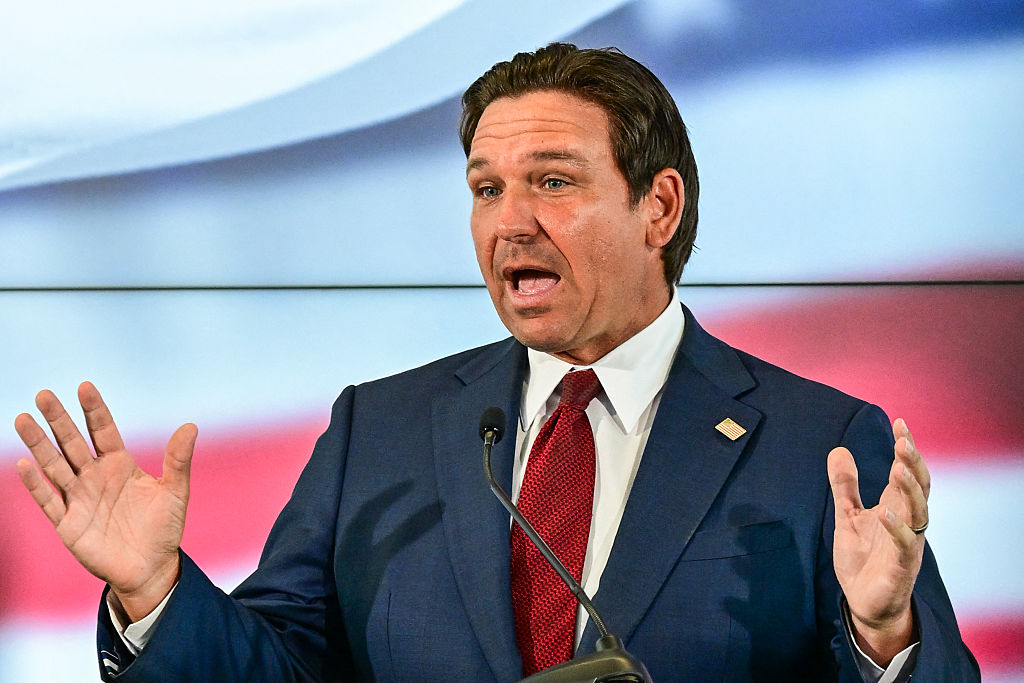
Gov. Ron DeSantis said Monday that Florida’s agriculture department will “be doing more” to help the nearly 3 million low-income residents who may go without federal food assistance during the ongoing government shutdown.
According to the Tampa Bay Times, the governor brushed off calls from state Democrats to declare an emergency and use state funds to replace the suspended federal aid from the Supplemental Nutrition Assistance Program (SNAP).
“I’m getting letters from Democrats saying, ‘You should declare an emergency and create your own SNAP,’ when they’re the ones that are filibustering SNAP,” DeSantis said.
The U.S. Department of Agriculture previously announced it would freeze SNAP payments beginning Nov. 1 due to the shutdown. On Friday, two federal judges ordered the Trump administration to use contingency funds to keep the program running, and on Monday, the administration said it would send out partial payments this month but would not tap into additional funds.
Roughly one in eight Floridians depend on SNAP, and about 60% of recipients are families with children, according to the Center on Budget and Policy Priorities.
Democratic lawmakers urged DeSantis to take action, writing in a letter that “no child should go hungry because politicians in Washington can’t agree.”
During his press conference, DeSantis said the Florida Department of Agriculture and Consumer Services would be mobilizing efforts to help families but did not offer specific details. His office confirmed that Florida is not using emergency funding to address food insecurity.
Agriculture Commissioner Wilton Simpson pointed to the Farmers Feeding Florida initiative — launched earlier this year — which partners with local growers to rescue “unmarketable” food and redirect it to food banks. The Legislature approved $28 million to run the program and another $10 million to expand food bank infrastructure.
In its first three months, the program distributed roughly 3.8 million pounds of food from Florida farms, including dairy, seafood, peanut butter, and produce.
While Florida focuses on bolstering existing initiatives, other states have moved more aggressively. In Iowa, Republican Gov. Kim Reynolds ordered the National Guard to prepare for food distribution and pledged $1 million in matching funds for food bank donations. Massachusetts and Minnesota, both led by Democrats, have allocated millions in state funds to support food assistance programs.