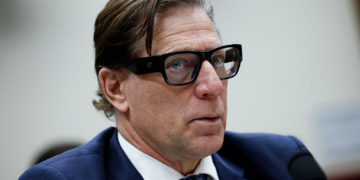




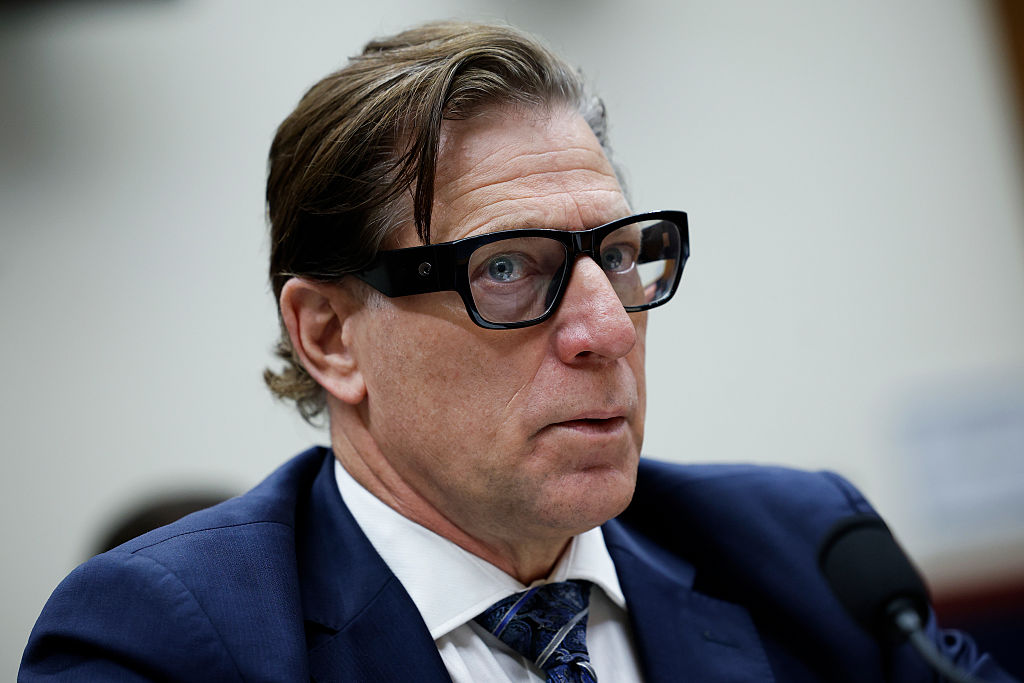
David Richardson, the acting head of the Federal Emergency Management Agency, is stepping down after a turbulent seven-month tenure marked by internal friction, public criticism, and questions about FEMA’s performance during one of the deadliest natural disasters in recent memory.
According to CBS News, the Department of Homeland Security confirmed Monday that Richardson submitted his resignation earlier in the day. Five current and former homeland security officials said the decision came abruptly, though tensions inside the agency had been mounting for months.
Richardson took over on May 8, 2025, after Homeland Security Secretary Kristi Noem abruptly removed former FEMA administrator Cameron Hamilton. Before leading FEMA, Richardson served as Assistant Secretary for DHS’s Countering Weapons of Mass Destruction Office.
FEMA chief of staff Karen Evans will assume his role starting Dec. 1, a DHS spokesperson said.
Richardson’s leadership drew immediate scrutiny. In his first all-hands meeting, he reportedly warned staff, “Don’t get in my way … I will run right over you,” and declared, “I and I alone speak for FEMA.” The tone set off early concerns among career emergency managers who were already strained by a busy disaster season.
In a statement Monday, DHS thanked Richardson for his service, expressed “appreciation” for his work, and wished him “continued success in his return to the private sector.”
But Richardson’s tenure was defined by the fallout from FEMA’s widely criticized response to catastrophic floods that swept through Central Texas in July. The floods killed more than 130 people, including 27 campers and counselors at Camp Mystic on the Guadalupe River.
Lawmakers and FEMA officials said Richardson was unreachable for hours as the crisis unfolded, complicating search-and-rescue operations at a moment when minutes mattered. The criticism escalated after CBS News reported that FEMA teams struggled to get direction from senior leadership during the crucial early window of the disaster.
At a congressional hearing later that month, Richardson rejected the criticism, calling FEMA’s response a “model” of emergency management. He disputed allegations of delayed deployments and denied that contract lapses affected FEMA’s disaster help line.
Another misstep added to concerns: Richardson reportedly told colleagues he was unaware the U.S. has a hurricane season — a remark that shocked veteran officials responsible for preparing for one of FEMA’s most demanding annual challenges.
Current and former FEMA staffers have also pointed to what they say were bureaucratic choke points created under Noem’s leadership, including a directive requiring her personal approval for any expenditure over $100,000. They argue the policy slowed down the agency’s ability to mobilize aid quickly.
Richardson’s resignation comes as the FEMA Review Council prepares to deliver a sweeping report to the president. Ordered by the White House, the council was tasked with assessing FEMA’s performance during the Biden administration and recommending major structural changes.
President Donald Trump has repeatedly signaled that FEMA “should be eliminated as it exists,” and Noem instructed the council not merely to evaluate the agency but to “reimagine” it entirely.
The report is expected to land in the coming days — just as FEMA braces for new leadership and a potential overhaul of its mission, structure, and authority.