
Financial firms across the country have been steadily shifting their focus toward Texas, and the trend is only picking up steam in 2025. Once firmly rooted in New York City’s financial district, many of America’s largest banks and investment firms are now expanding their operations deep into the heart of the Lone Star State. The Dallas-Fort Worth area, in particular, has become one of the fastest-growing financial hubs in the country, and the reasons behind that move are becoming clearer by the day.
One major factor driving this shift is the ongoing migration of people and businesses out of high-tax states like New York and California. The COVID-19 pandemic accelerated a trend that was already gaining ground, as companies began looking at long-term cost savings and more flexible work options. With Texas offering no personal income tax, a lower cost of living, and a business-friendly regulatory environment, many firms are finding the state to be a smarter and more sustainable place to operate.
Goldman Sachs is one of the biggest names investing heavily in Dallas. The firm is building a brand new 800,000-square-foot campus that will eventually support more than 5,000 employees. With construction underway, the new facility is scheduled to open in 2028. Until then, Goldman already has around 4,500 employees working in the Dallas-Fort Worth metro, making it the second-largest office location for the firm, right behind New York City.
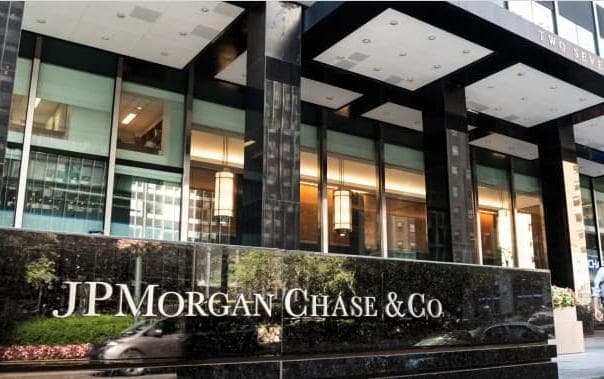
JPMorgan Chase, the largest bank in the country, has already planted deep roots in Texas. The company currently employs about 31,000 people across the state — 18,000 of those are located in the Dallas-Fort Worth area alone. In Plano, a northern suburb of Dallas, JPMorgan operates a large corporate campus where over 12,000 employees work. For comparison, JPMorgan has roughly 24,000 employees in New York City, meaning Texas is now its top employment center.
Wells Fargo has also expanded its footprint in Texas. The bank recently opened a massive 22-acre campus in the Dallas area, complete with two 10-story buildings. These buildings will accommodate up to 4,500 employees. The Dallas Chamber of Commerce currently estimates that Wells Fargo has between 5,000 and 9,999 workers in the area.
Charles Schwab, meanwhile, made an even bigger commitment several years ago by relocating its headquarters from California to the Dallas suburb of Westlake. Since then, Schwab has continued to grow its presence and now employs an estimated 5,000 to 9,999 workers in the region, according to the Dallas Chamber.
Bank of America, though still headquartered in Charlotte, is investing in a 30-story office tower right in the heart of Dallas. The new tower is set to be completed by 2027 and reflects the bank’s long-term investment in the area. The Chamber notes that Bank of America already has over 10,000 employees in the Dallas metro, making it another one of the area’s major financial employers.
While the job numbers and construction projects tell part of the story, there’s also a political layer in play. With New York City preparing for a mayoral election that includes Democratic Socialist candidate Zohran Mamdani, some industry insiders are watching closely. Mamdani’s platform includes proposed tax hikes and economic policies that critics say could drive businesses further out of New York. Those critics argue that more aggressive policies could give firms additional reasons to accelerate their move to Texas or expand further in places like Dallas, Austin, or Houston.
As financial institutions plan for the future, it’s clear that the landscape is changing. Texas is quickly becoming more than just a secondary operations base — for many, it’s now a central hub. And with rising concerns over taxes, regulations, and political shifts in traditional financial centers, this trend doesn’t appear to be slowing down anytime soon.