



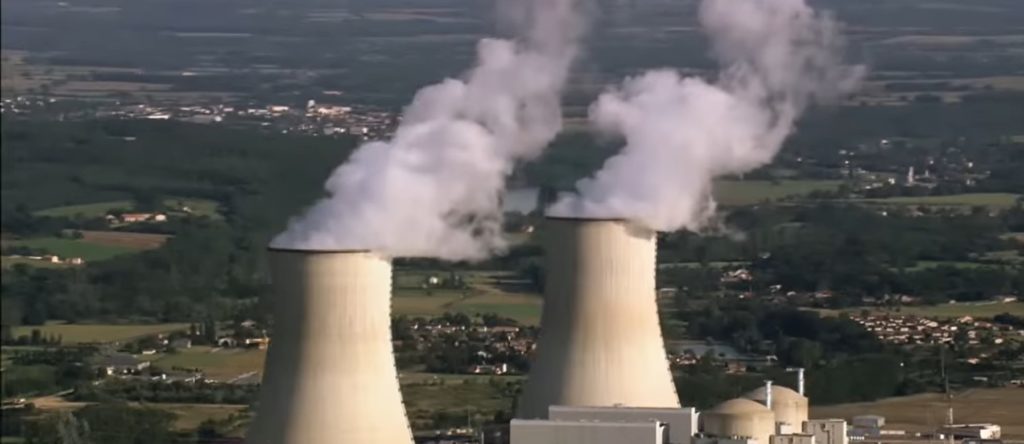
Florida and Last Energy are urging a nuclear energy regulator to cut red tape for certain next-generation reactors.
America First Legal, a conservative legal organization, filed a petition on behalf of the State of Florida and Last Energy, Inc. on Thursday, asking that the Nuclear Regulatory Commission (NRC) change the classification of the energy company’s modular nuclear reactor design so that it falls outside the NRC’s licensing jurisdiction. The parties argue in the petition that government regulatory overreach has slowed the deployment of a “low-risk” reactor design at a time when Florida’s energy demands are climbing as the population booms.
“Nuclear energy is the safest and cleanest form of baseload power generation. Yet, for 70 years, the unaccountable Nuclear Regulatory Commission’s red tape has prevented innovation and blocked attempts to make safe, affordable nuclear energy available to more Americans.” Florida Attorney General James Uthmeier said in a statement provided to the Daily Caller News Foundation.
Nrc Petition Filed by audreystreb
“The NRC does not comment on the substance of pending litigation. However, the NRC is fully committed to the goals of the Advance Act, the Executive Orders and the goals of this Administration to advance the deployment of safe, clean civilian nuclear power for American energy dominance and national security,” a spokesperson for the NRC told the DCNF.
The petitioners argue that the NRC’s application of the Atomic Energy Act of 1954 (AEA) is overreaching and calls for the NRC to issue a declaratory order deeming Last Energy’s nuclear pressurized water reactor design is not subject to NRC licensing under the AEA. The petition continues to note that this shift would cut down on “bureaucratic bloat” that is purportedly stifling the technology.
Florida and AFL argue that NRC is blocking deployment through costly red tape and that the proposed declaratory order would align the NRC with President Donald Trump’s deregulatory agenda. Petitioners also point to Trump’s May executive order in the filing, which mandates that the NRC reform its structure as to not “unduly restrict the benefits of nuclear power.”
“The order would unleash innovation, bolster American energy independence, and generate billions in economic growth while advancing President Trump’s America First Agenda through deregulatory reforms,” the petitioners argue in the filing. “Florida, like other states, has expressed interest in Last Energy’s reactors and believes that the reactors will provide numerous benefits to Florida citizens.”
Last Energy’s reactor design would allow for rapid construction, according to the filing, helping to meet Florida’s electricity needs. The company’s pressurized water reactor model could be delivered in two years as a packaged project to locations, according to Last Energy’s website.
In contrast, nuclear reactors in the U.S. have historically taken years to license, build and connect to the grid, with the most recent large projects taking over a decade to come online.
Under the AEA, the NRC currently licenses all commercial nuclear reactors, approving designs, construction, operation and waste management details. If the NRC were to enact the order, it would limit some of its authority over certain reactor designs, effectively expanding the role of states in regulating their deployment.
Notably, some industry insiders have told the DCNF previously that they have witnessed positive change from the NRC in the last year. Though some energy policy experts have criticized the agency’s stalled timelines, the NRC has been public about reviewing projects ahead of schedule in recent months.
“Our country urgently needs more energy, and bureaucracy stands in the way,” President of America First Legal Gene Hamilton said in a statement. “The NRC should curb its overreach, follow the law, and allow clean, American-made nuclear innovation to deliver reliable energy at a lower cost for the American people.”
Editor’s note: this story has been updated to include a comment from the NRC.
 ᐧ
ᐧAll content created by the Daily Caller News Foundation, an independent and nonpartisan newswire service, is available without charge to any legitimate news publisher that can provide a large audience. All republished articles must include our logo, our reporter’s byline and their DCNF affiliation. For any questions about our guidelines or partnering with us, please contact [email protected].