



Concerns about large-scale fraud have been building across the country, with California often at the center of that conversation. Federal authorities recently announced a major development in one such case: a Southern California man has pleaded guilty to his role in a scheme that drained hundreds of millions of dollars from a public healthcare program.
Paul Richard Randall, 66, of Orange, admitted to one count of wire fraud after prosecutors said he orchestrated a plan to exploit Medi-Cal, the state’s Medicaid program. According to investigators, Randall submitted more than $269 million in claims and ultimately received over $178 million in payouts.
The claims were tied to 19 high-cost drugs that, in reality, were made with inexpensive generic ingredients. Authorities say many of those drugs were either medically unnecessary, never provided, or both.
At the core of the scheme was a temporary policy change within Medi-Cal. During that period, certain drugs no longer required prior authorization. Randall and his associates moved quickly to take advantage of that gap. Through a pharmacy they controlled, they billed the state for large volumes of these medications, sidestepping the usual oversight that might have flagged the activity.
Prosecutors also described efforts to conceal the money trail. The group allegedly funneled proceeds through a third party, using those funds to pay kickbacks and keep the operation running while avoiding detection. That added a layer of complexity that made it harder for authorities to trace the fraud as it was happening.
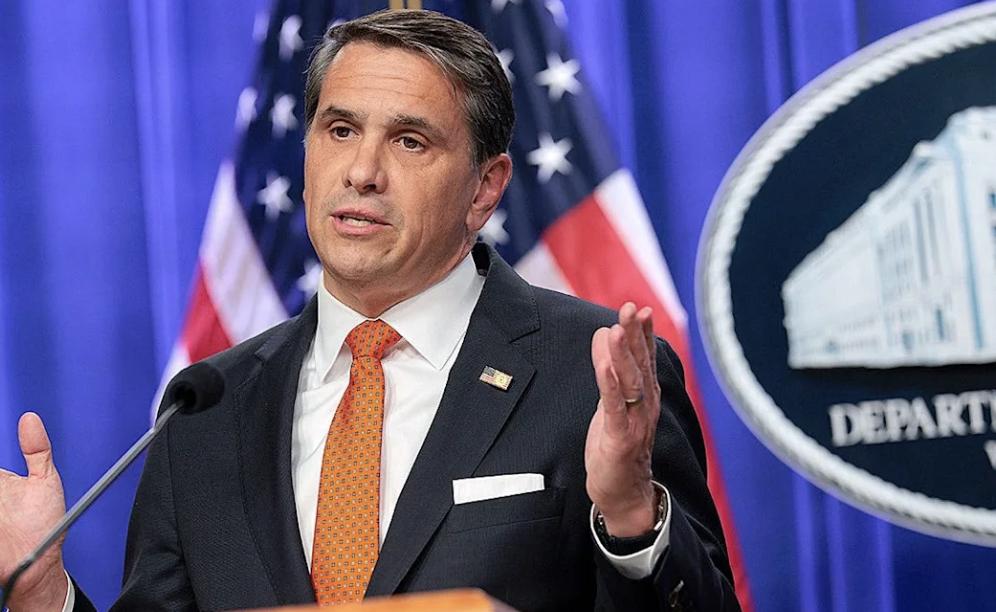
Federal officials did not mince words in their response. First Assistant U.S. Attorney Bill Essayli said Randall treated a public health program like a personal bank account, adding that the case reflects a broader push by the administration to crack down on fraud. Randall now faces a potential sentence of up to 30 years in prison, with sentencing scheduled for August.
The case lands at a time when scrutiny around fraud in California is already high. Federal task forces have reported a surge in suspicious activity tied to healthcare providers, including hospice organizations. In a separate operation in Southern California just last week, authorities arrested multiple individuals connected to an alleged $60 million Medicare fraud scheme.
The news has also sparked debate online and among public officials. Some critics argue the case highlights deeper systemic weaknesses, particularly in how payments are approved and monitored. Others have pointed to outdated systems that rely too heavily on self-reported information and lack sufficient verification upfront.
California officials, however, have pushed back on the narrative that the state is falling short. Representatives for Governor Gavin Newsom noted that this particular case was initially identified by state authorities and then referred for federal prosecution. They emphasized ongoing cooperation between state and federal agencies and pointed to broader efforts to strengthen fraud prevention.
Still, the back-and-forth underscores a larger issue that goes beyond any single case. While enforcement actions are increasing, questions remain about how these schemes are able to operate at such a scale in the first place—and what changes are needed to stop them earlier.
The post Guilty Plea Entered In Massive Tax Fraud Case appeared first on Red Right Patriot.