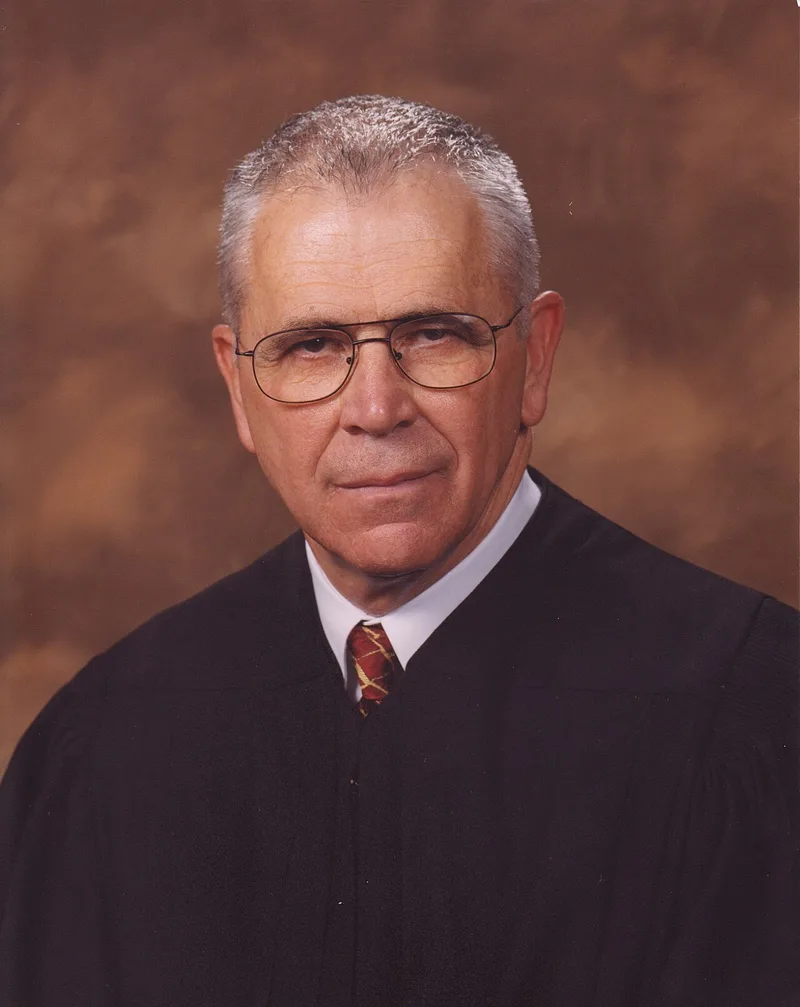
Plaintiff Robin Potera-Haskins, former head women's basketball coach at Montana State University, sued the university and several administrators alleging that her termination and related actions violated her First Amendment free speech rights under 42 U.S.C. § 1983, constituted sex discrimination under Title IX, and amounted to unlawful employment practices under Title VII. The court granted summary judgment to defendants on the First Amendment and Title VII claims, dismissing them, while denying summary judgment on the Title IX claim. The court reasoned that the plaintiff's internal memoranda did not constitute protected speech warranting First Amendment relief, that her termination and replacement by another female coach did not establish a Title VII violation, and that material factual disputes remained regarding the Title IX allegations. The decision followed undisputed facts showing concerns about the basketball program, directives to the plaintiff, and her subsequent termination by the university president.
In Brown v. Montana, plaintiff Alice Brown sued the State of Montana, its Department of Public Health and Human Services, the Child and Family Services Division, and social worker Shawn Wills, alleging that the removal of her newborn son from her hospital room violated her constitutional rights under 42 U.S.C. § 1983. The district court adopted the magistrate judge's findings and granted summary judgment in part, dismissing all claims for money damages against the state entities and Wills in her official capacity on Eleventh Amendment grounds while allowing the claim against Wills in her individual capacity to proceed. The court rejected Brown's objections and motions to vacate based on lack of consent to magistrate jurisdiction, holding that 28 U.S.C. § 636(b)(1) authorized the magistrate to issue proposed findings and recommendations without full party consent. The ruling rested on the distinction between official-capacity suits barred by sovereign immunity and individual-capacity suits that may continue, along with the statutory framework for magistrate referrals in federal civil cases.
In Habeeb v. Castloo, an Iraqi refugee traveling by train through Montana was approached by Customs and Border Protection agents who inquired about his immigration status and special registration requirements; after he produced only a copy of his I-94 form and admitted he had not registered, the agents detained him, leading to several days in custody, removal proceedings, and eventual release. Habeeb sued the agents under Bivens, claiming violations of his Fourth Amendment rights against unreasonable seizure and Fifth Amendment rights to due process and equal protection. The court granted the defendants' motion for summary judgment on qualified immunity grounds, finding that the agents' actions were objectively reasonable under then-existing immigration laws requiring registration and documentation for certain aliens, and that no clearly established constitutional right had been violated.
This case concerned whether three farm businesses that prevailed in appeals before the USDA's National Appeals Division (NAD) over denied crop disaster assistance claims could recover attorneys' fees and costs under the Equal Access to Justice Act. The court granted the plaintiffs' motion for summary judgment and denied the government's, remanding the fee request to the NAD for consideration. It reasoned that NAD proceedings qualify as adversary adjudications under 5 U.S.C. § 504 because they involve a hearing on the record, following the plain statutory language and the Eighth Circuit's holding in Lane v. United States.
The case involved the State of Montana seeking recovery of restoration costs for alleged natural resource damages in the Upland Areas near Anaconda from historical mining and smelting by ARCO under the federal CERCLA statute and Montana's CECRA law. After reviewing the trial record on liability, causation, and injury, the court found that Montana did not prove any injuries, destruction, or loss of natural resources occurred after CERCLA's December 11, 1980 cutoff date. The court rejected Montana's argument that damages only occur when restoration costs are incurred or quantified, holding that the plain statutory language bars recovery for pre-1980 injuries. The state law claim was also dismissed as CECRA applies only prospectively and no post-1985 injuries were shown. The court therefore dismissed the claims with prejudice.