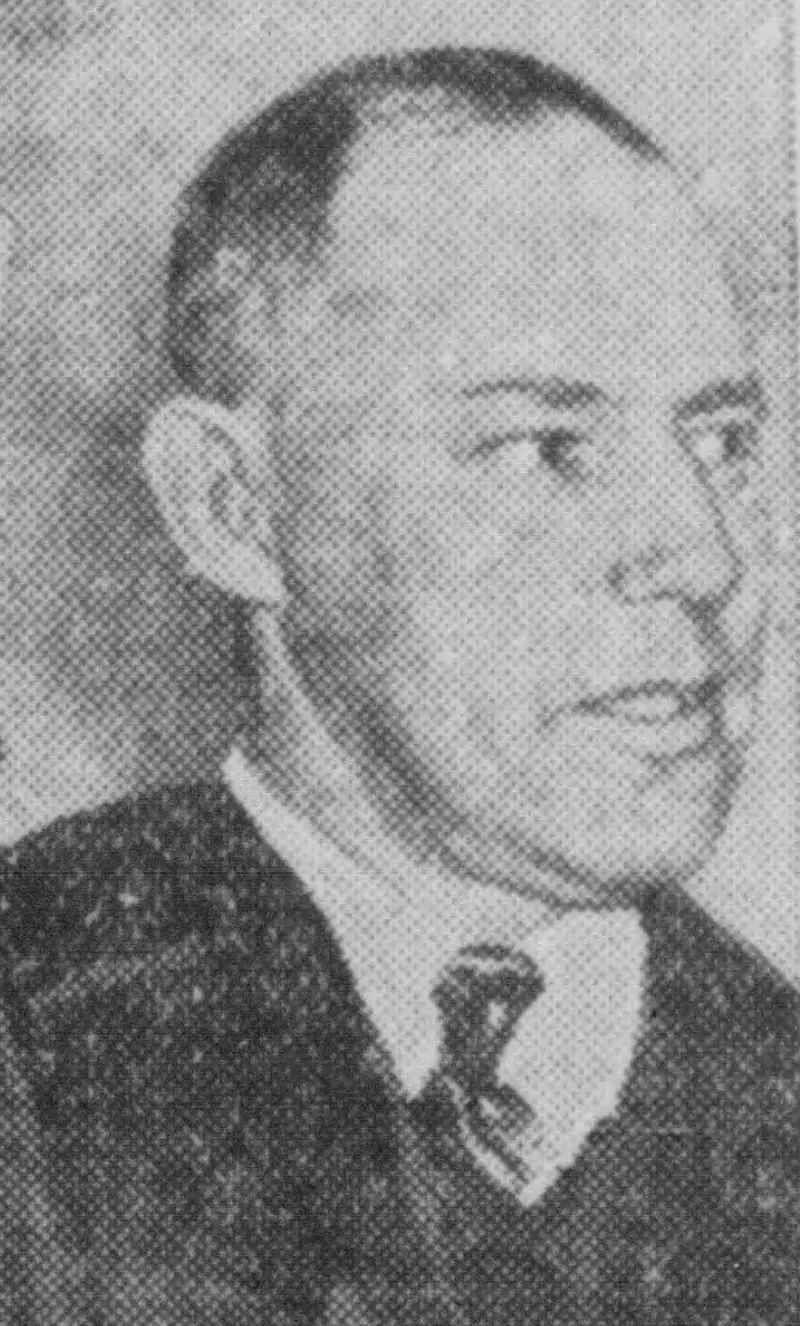
The case involved the naturalization petition of Chi Yan Cham Louie, a Chinese woman born in China who entered the United States in 1927 as the daughter of a merchant. The Immigration and Naturalization Service objected to her eligibility for citizenship on the grounds that she did not enter as an immigrant. The court overruled the objection, holding that under prior Supreme Court and appellate decisions interpreting the 1880 Treaty with China, she was admitted for permanent residence despite not being classified as an immigrant. The court reasoned that the 1924 Immigration Act did not override treaty rights and that the 1943 Act allowing Chinese naturalization did not impose a requirement of immigrant entry that would bar her.
Alfred J. Niemiec, a baseball player formerly employed by the Seattle Rainier Baseball Club, petitioned the court under Section 8 of the Selective Training and Service Act of 1940 after the club gave him an unconditional release in April 1946 upon his return from Navy service. The court held that the release was not a discharge for cause as permitted by the statute, so Niemiec was entitled to compensation at $720 per month from the date of termination, less amounts earned in other employment, along with reinstatement of his contract. The ruling rested on the Act's requirement that returning veterans receive reemployment and protection against termination without cause for one year, rejecting the club's affirmative defenses regarding the player's age, performance, and the nature of professional baseball.
This case concerned whether the executor of George T. Welch's estate could deduct approximately $170,000 in charitable bequests from the federal estate tax return. The Commissioner of Internal Revenue had disallowed the deductions on the ground that the will's fifth paragraph gave the surviving widow power to invade and exhaust the corpus of those bequests. The court ruled for the executor and ordered a refund of the taxes and interest paid. It held that the will granted the widow only a life estate in the residue, with the remainder passing to a trustee for charitable uses; the language referring to the "then remainder" after her death was interpreted consistently with the testator's other specific bequests and did not authorize invasion of principal. The court also gave weight to the Washington probate court's construction of the will and the widow's own conduct, both of which confirmed she possessed no such power.
The case involved defendant Gordon Kiyoshi Hirabayashi, a U.S. citizen of Japanese ancestry living in a designated military area in Seattle, who was charged in two counts with violating a civilian exclusion order by failing to report to a control station and with breaching a curfew imposed by military proclamation. The defendant demurred to the indictment, arguing that the orders and proclamations were unconstitutional under the Fifth Amendment and Article IV and were not authorized by executive or congressional action, and he also attempted to file a plea in abatement asserting his citizenship and loyalty. The court struck the plea in abatement as untimely and without permission, overruled the demurrer, and upheld the indictment. It held that Executive Order 9066, Public Law 503, the curfew regulation, and Exclusion Order 57 were constitutional and valid. The core reasoning was that the war powers granted by the Constitution permit Congress and the President to enact and enforce necessary protective measures in military areas during a total war emergency, without awaiting a constitutional amendment, given the unprecedented global conflict and specific threats on the Pacific Coast.
The case involved a petition for a writ of habeas corpus filed by a U.S. serviceman serving a life sentence for second-degree murder, imposed by the United States Court for China after he was charged by information with first-degree murder, tried by the court without a jury, and denied his request for a jury of Americans. The court denied the petition. It held that the petitioner had no constitutional right to grand jury indictment or petit jury trial in that court, relying on Supreme Court precedent in In re Ross that the Constitution does not extend to U.S. consular or legislative courts operating abroad under treaty authority, while noting the petitioner had received other procedural protections such as appointed counsel and rules of evidence.
The case involved a petition for a writ of habeas corpus filed by Mary Asaba Ventura, an American-born citizen of Japanese ancestry living in Seattle, and her husband, challenging military orders that imposed nighttime curfews, limited her to within five miles of her residence during the day, and required her to remain in the area pending potential evacuation. These restrictions were issued by Lt. Gen. John L. DeWitt under Executive Order and Public Law No. 503, with penalties for violation. The court denied the petition, finding that the petitioners were not actually imprisoned and that the court lacked jurisdiction over the commanding general in California. The core reasoning was that the orders were authorized by Congress and the President for national defense in a critical military area, and the Constitution does not prevent such movement restrictions on civilians regardless of loyalty, unlike cases such as Ex parte Milligan.