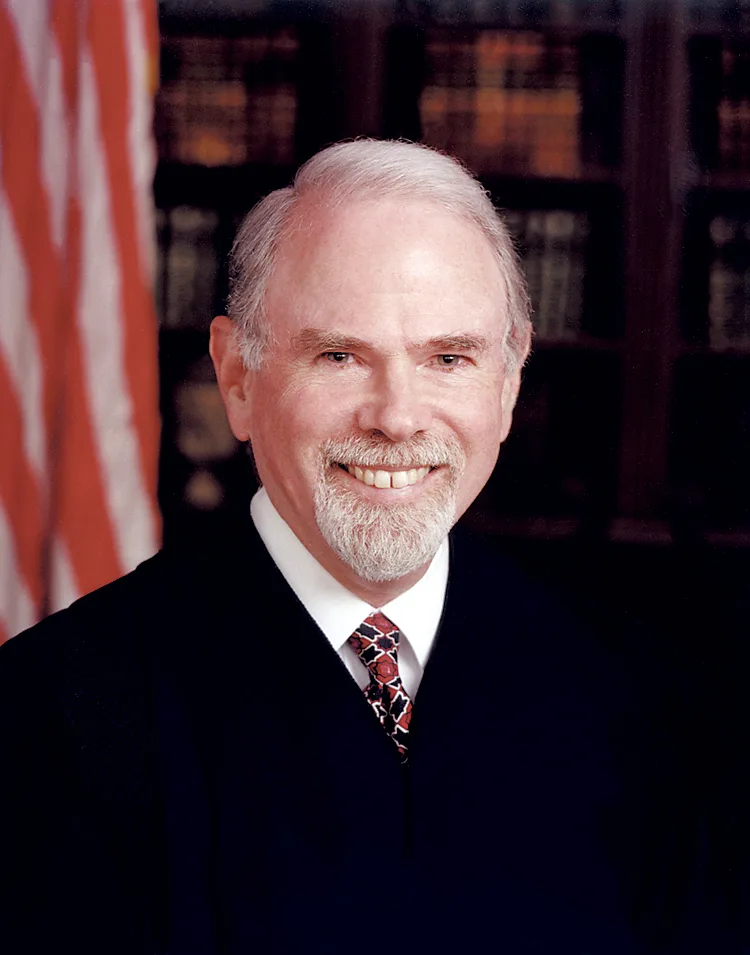
This case was a class action lawsuit filed by Kristy Schwarm and other plaintiffs against Henry Craighead and District Attorney Technical Services, Ltd. for alleged violations of the Fair Debt Collection Practices Act in collecting on dishonored checks, along with federal and state due process claims. The court previously certified a class of approximately 36,000 members, granted summary judgment on the FDCPA claims, and awarded $741,387.05 in damages against the defendants jointly and severally, though only a portion was recovered from DATS's bankruptcy estate. In this order, the court grants the plaintiffs' motions for attorneys' fees and costs using the lodestar method rather than a percentage of the fund and approves the proposed plan to distribute the recovered funds, reasoning that the limited assets made full compensation impossible and that the distribution fairly compensates counsel for extensive work while advancing FDCPA policies.
The case concerned claims by Shirley Newman, a student with a history of mental illness, and Anthony Butler against San Joaquin Delta Community College District and two campus police officers arising from a 2008 incident in which officers responded to Newman's anxiety episode in a classroom, physically detained the plaintiffs, and led to Newman's temporary suspension for misconduct. Plaintiffs asserted federal claims under 42 U.S.C. § 1983 for excessive force and unreasonable seizure, the ADA and Rehabilitation Act for disability discrimination, and related state claims including battery, false imprisonment, and violations of the Unruh Act and Disabled Persons Act. The court applied the summary judgment standard under Federal Rule of Civil Procedure 56, noting genuine disputes of material fact regarding the plaintiffs' conduct, compliance with orders, and the officers' use of force, while analyzing whether intentional discrimination was required for certain statutory claims and whether administrative exhaustion was satisfied. The opinion addressed the pending motions for summary judgment or partial summary judgment without resolving all issues such as damages.
In this patent case, Technology Licensing Corporation sued Technicolor USA for infringement of two patents related to video signal synchronization, and Technicolor filed counterclaims for declaratory judgment of non-infringement and invalidity plus breach of a prior settlement covenant. After TLC accepted Technicolor's Rule 68 offer of judgment on the infringement claims, Technicolor sought to proceed with its remaining counterclaims. The court granted TLC's motion to dismiss, holding that the covenant not to sue eliminated any actual controversy needed for declaratory relief on invalidity, and declined supplemental jurisdiction over the state-law breach claim.
In this employment discrimination case, African-American truck driver Edison Mayo sued his employer, Recycle to Conserve, Inc., alleging race discrimination and retaliation after he was terminated following a second workplace driving accident. The defendant moved for summary judgment, arguing that the termination complied with its accident policy and that Mayo failed to show he was qualified or that similarly situated employees were treated differently. The court denied the motion in relevant part, finding that Mayo presented sufficient circumstantial evidence—including repeated racial slurs by a co-worker, complaints to management about racist treatment and inadequate truck repairs, and indications that white drivers received better service—to raise triable issues of fact on whether the employer's stated reason was pretextual under the McDonnell Douglas framework.
J & J Pumps sued Star Insurance after the insurer denied a claim under the employee dishonesty provision of a commercial property policy. The claim arose when an employee failed to pay the company's taxes to the IRS and EDD, instead hiding the funds in another account, resulting in about $40,000 in penalties and interest. The court granted the insurer's motion to dismiss, holding that the policy covers only direct physical loss of or damage to covered property and that the broadening endorsement did not remove this requirement. The alleged financial losses from penalties did not qualify as covered property damage, and the underlying dishonest-act exclusion was not overcome by the facts alleged.
In McCarthy v. R.J. Reynolds Tobacco Co., two former Trade Marketing Representatives sued their employer under Title VII for sexual harassment and retaliation, under California's FEHA for disability discrimination and failure to accommodate, and for related tort claims based on adverse employment actions. The district court ruled on numerous evidentiary objections to deposition testimony and other evidence, sustaining some on hearsay and personal knowledge grounds while overruling others that could be cured at trial. It then examined the factual record showing a supervisor's vulgar comments about employees' personal lives and relationships, plaintiffs' complaints to HR, and subsequent changes in work assignments and discipline, ultimately finding triable issues on retaliation but insufficient evidence linking the conduct to sex or disability.