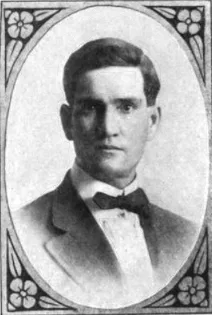
This case was a quiet title action in which Howard Gentry sued to establish his ownership of a specific lot, claiming title under a 1941 deed from Bessie Parker, while Parker counterclaimed based on a 1942 deed she received from Gentry. The central dispute concerned whether Gentry's 1942 deed to Parker was an absolute conveyance or a conditional delivery intended only to take effect if Gentry died from his illness. Evidence showed the deed was sent with instructions that it not be recorded unless Gentry died and should be returned if he recovered, yet Parker recorded it after his recovery. A jury found the deed was not intended as an absolute conveyance, but the trial court initially entered judgment for Parker before granting Gentry a new trial. The appellate court affirmed the new trial order, holding that valid delivery of a deed requires the grantor's intent that title pass immediately and that the grantor lose control, which the evidence indicated was lacking here.
This case involved a minor, Roy Gaddy Shackelford, through his guardian ad litem, seeking to impose a constructive trust on assets held by the defendant as administratrix of the estate of Nell Trotter, the minor's grandmother. The minor claimed that approximately $2,522 in inheritance funds from his deceased mother had been used by the grandmother to purchase and improve real property in Arizona, which she devised in her will to her nephew. The trial court ruled in favor of the defendant, but the Arizona Supreme Court reversed, holding that the evidence showed the property was acquired with the minor's funds. The court reasoned that the grandmother's use of the funds created an unjust enrichment, and equity imposed a constructive trust on the assets to prevent the estate from retaining the benefit at the minor's expense, despite the will's terms.
The case concerned a claim by an attorney against the estate of Davey for $3,175 in unpaid legal fees across multiple matters. The trial court awarded only $800, but this concurring opinion argues that the cross-appeal for the remaining amount should also be granted. The reasoning is that the claim as filed with the administratrix sufficiently stated the facts and total demand to meet statutory requirements, without needing the precision of a formal pleading. Additional details in the complaint about when the fees became due did not alter the underlying claim. The statute of limitations therefore began running only after the condition for payment was satisfied in 1939, so none of the items were barred when suit was filed.
In Faber v. State of Arizona, the defendant was charged under Arizona Code Annotated 1939 Section 43-407 with committing lewd and lascivious acts upon another male in an unnatural manner with intent to gratify sexual desires. The trial court convicted him based on testimony from police officers who observed the acts after entering his home without a warrant while investigating narcotics violations, and the defendant appealed on grounds including the sufficiency of the information, the constitutionality of the statute, improper arrest and search, and trial errors. The Arizona Supreme Court affirmed the conviction, holding that the information tracked the language of the valid statute and sufficiently stated the offense, that the caption's reference to 'fellatio' was immaterial, that the evidence supported the verdict, and that other claimed errors such as the lack of a warrant or selective prosecution lacked merit. The court reasoned that prior precedent upheld the statute and that no partnership in crime required joint prosecution.
The case involved a bastardy proceeding against Horace Nerini, initiated in justice court by a woman accusing him of fathering a child born out of wedlock, which was then transferred to superior court under statutory procedures for such actions. The defendant moved to quash the complaint, arguing it was barred by one-year statutes of limitations applicable to misdemeanors or civil parentage actions, and the superior court granted the motion. On the state's appeal, the Arizona Supreme Court reversed, holding that bastardy proceedings are civil in nature and purely statutory, with no limitations period provided in the relevant statutes (Sections 27-405 to 27-415) because the father's duty of support is ongoing. The court further ruled that general appeal provisions for special proceedings apply, allowing review, and remanded for trial.
In City of Phoenix v. Wright, Charles H. Wright sued the city for unpaid salary after performing duties as assistant chief of police from December 1941 through March 1942, following his reinstatement by the civil service board. The city denied that Wright held the position properly under civil service rules, arguing his original appointment was invalid and that he had never passed a required examination, and it refused payment despite the board's certification and payroll approvals. The trial court ruled for Wright, and the Arizona Supreme Court affirmed, holding that the city's defense amounted to an improper collateral attack on the civil service board's determinations of Wright's status and eligibility, which could only be challenged through a direct proceeding rather than in this salary action. The court noted that Wright had performed the work, received board certification, and benefited from prior similar precedent protecting certified employees from such challenges.