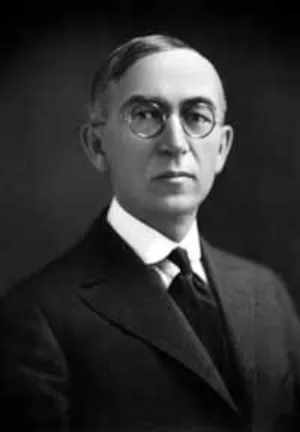
Guthrie v. Jones
District Court, W.D. Oklahoma · 1947-05-17 · cited 8×
In Guthrie v. Jones, taxpayer Will S. Guthrie sought a refund of additional income taxes assessed by the Commissioner for 1943, arising from profits on the sale of lots in a subdivided addition to Oklahoma City that Guthrie had acquired through foreclosure on a defaulted loan secured by mortgages on the property. The court ruled in favor of Guthrie, holding that the profits qualified as long-term capital gains rather than ordinary income, entitling him to the refund. The decision rested on findings that Guthrie's primary business was loans and investments, not real estate development or sales; the lots were acquired incidentally to his lending activities and held passively without active promotion, improvements, or solicitation by Guthrie; sales occurred irregularly over years and were driven by external market growth rather than business operations; and the property was not held primarily for sale to customers in the ordinary course of his trade or business under the relevant tax code provisions.
taxesbusiness & regulatoryproperty
Blackard v. Jones
District Court, W.D. Oklahoma · 1944-06-28 · cited 5×
This case concerned the estate tax liability of the estate of Kate Chestnut, who died in 1938 holding shares in the Chestnut Securities Company, a family holding company whose assets consisted of marketable securities, as well as the tax treatment of two related insurance and annuity policies issued on the same day. The court held that the Commissioner's valuation of the shares—calculated simply by dividing the company's gross assets by the number of outstanding shares—was arbitrary and excessive because it conflicted with then-applicable Treasury regulations requiring consideration of net worth, earning power, dividend capacity, and other factors when no market sales or bid-ask prices existed. The court further ruled that the life insurance policy and accompanying annuity policy did not create an insurance risk under section 302(g) of the Revenue Act of 1926 and therefore the proceeds were taxable as a transfer taking effect at death under section 302(c).
taxes
Buttram v. Jones
District Court, W.D. Oklahoma · 1943-01-30 · cited 19×
In Buttram v. Jones, a taxpayer sued the Collector of Internal Revenue for a refund of $134.50 in additional 1936 income taxes paid after the IRS disallowed his claimed deduction for trees, shrubs, and plantings destroyed by an unusual drought on his Oklahoma residential and investment property. The court held that an unprecedented drought qualifies as a casualty under the Revenue Act of 1936 and that the loss was fixed in 1936 without any requirement to sell the land. It further ruled that the proper measure of the deductible loss is the difference in the fair market value of the entire property immediately before and after the casualty (not to exceed the adjusted basis), treating the plantings as an integral part of the real estate rather than separate assets, and that the plaintiff bore the burden of proving this amount. Because the only evidence presented was the historical cost of the plantings and their maintenance rather than any pre- and post-casualty property values, the court concluded there was no competent proof of the loss and denied the refund claim.
taxesproperty
Hargrave v. Mid-Continent Petroleum Corporation
District Court, E.D. Oklahoma · 1941-01-13 · cited 18×
This case involved employees of oil refineries suing for overtime compensation and liquidated damages under the Fair Labor Standards Act of 1938, with the action brought in Oklahoma state court by a designated agent on behalf of the workers and others similarly situated. The defendants removed the case to federal court and moved to dismiss, arguing lack of jurisdiction in the state court, that the agent was not the real party in interest, and that the claims involved penalties over which federal courts had exclusive jurisdiction. The court overruled the motion to dismiss, holding that state courts of general jurisdiction have concurrent authority under Section 16(b) of the Act to hear such claims, that Oklahoma statutes permit representative and class actions by persons authorized by federal statute, and that the remedies sought were compensatory rather than penal in nature. The court reserved ruling on whether watchmen qualified as covered employees under the Act pending further evidence.
labor & employmentprocedurefederal power