



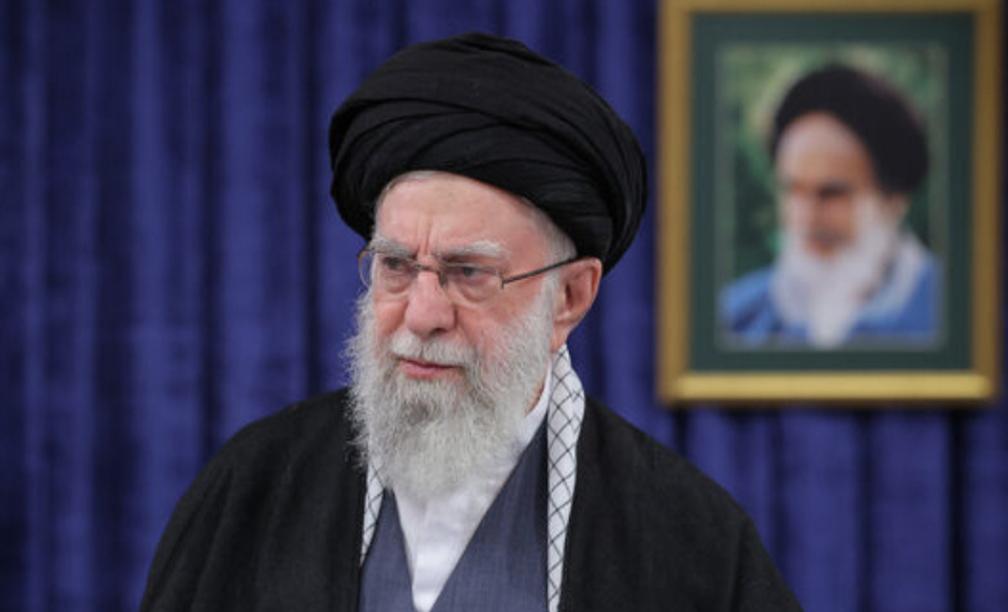
The Washington Post is under fire after its obituary for Iran’s Supreme Leader Ayatollah Ali Khamenei described the longtime authoritarian ruler as having a “bushy white beard and an easy smile” — language that critics say softens the image of a man widely blamed for decades of repression, terror sponsorship, and bloodshed.
Khamenei was killed Saturday in Tehran during a sweeping U.S.-Israeli military campaign dubbed Operation Epic Fury. The coordinated offensive targeted top Iranian leadership and key military infrastructure. Israeli forces reportedly struck Khamenei’s compound directly, reducing it to rubble.
But it wasn’t just the historic nature of the strike that grabbed attention. It was how one of America’s most influential newspapers chose to remember the man who ruled Iran for more than three decades.
“With his bushy white beard and easy smile, Ayatollah Khamenei cut a more avuncular figure in public than his perpetually scowling but much more revered mentor,” the Post wrote, noting his fondness for Persian poetry and even Victor Hugo’s Les Misérables. The obituary did acknowledge that he opposed political reforms and rapprochement with the United States and that he was responsible for thousands of deaths.
This is sick. https://t.co/wwZXr27zCG
— Ted Cruz (@tedcruz) March 1, 2026
Still, the tone ignited a political firestorm.
Sen. Ted Cruz, R-Texas, reacted bluntly: “This is sick.”
Others echoed that sentiment across social media. Jennifer Sey, founder of XX-XY Athletics, called the paragraph “peak TDS,” accusing the paper of bending over backward in its portrayal of a regime leader long viewed by U.S. officials as a central sponsor of terrorism.
Actor James Woods posted, “This is not satire,” quoting the description that many critics argued read more like a character sketch than the obituary of a hardline theocrat.
The backlash also revived memories of a 2019 controversy when the Post referred to ISIS leader Abu Bakr al-Baghdadi as an “austere religious scholar” after he was killed during President Donald Trump’s first term. Critics say the similarities are hard to ignore.
The New York Times also used the word “avuncular” in its own obituary of Khamenei, adding fuel to accusations that elite media outlets too often frame hostile foreign leaders in language that feels restrained — or even humanizing — in moments when emotions are raw.
This is how the Washington Post eulogized the dirt bag who murdered 40,000 innocent civilians this month. This is not satire:
“With his bushy white beard and easy smile, Ayatollah Khamenei cut a more avuncular figure in public than his perpetually scowling but much more revered…
— James Woods (@RealJamesWoods) March 1, 2026
Meanwhile, the military campaign that ended Khamenei’s rule is far from over. U.S. officials say Israel is continuing to target senior Iranian leadership figures, while American forces are striking missile sites and military assets deemed to pose an imminent threat.
President Donald Trump issued a stark warning Sunday, cautioning Tehran against retaliation. If Iran were to “hit very hard,” Trump said, it would face “a force that has never been seen before.”
As Operation Epic Fury unfolds, the debate is no longer confined to the battlefield. It has expanded into the media arena, where word choice alone can trigger a national controversy — especially when the subject is a ruler who shaped the Middle East for a generation through iron-fisted control, ideological rigidity, and relentless confrontation with the West.
The post Newspaper Takes Heat For It’s Bizarre Description Of Iran’s Ayatollah Khamenei appeared first on Red Right Patriot.