



Chile is bracing for a tense and sharply polarized presidential runoff after voters delivered a split verdict Sunday, setting up a head-to-head showdown between Communist Party stalwart Jeannette Jara and ultraconservative former lawmaker José Antonio Kast.
According to The Associated Press, the first-round vote was tight. Jara, 51, the former labor minister and candidate of the center-left governing coalition, led with 26.8% of ballots cast — not enough to surpass the 50% threshold needed to win outright. Kast, 59, a hard-right Catholic known for his staunch opposition to same-sex marriage and abortion, finished close behind with nearly 24%.
With almost all votes counted, Chile’s long-standing tensions between left and right are now set to define a dramatic Dec. 14 runoff.
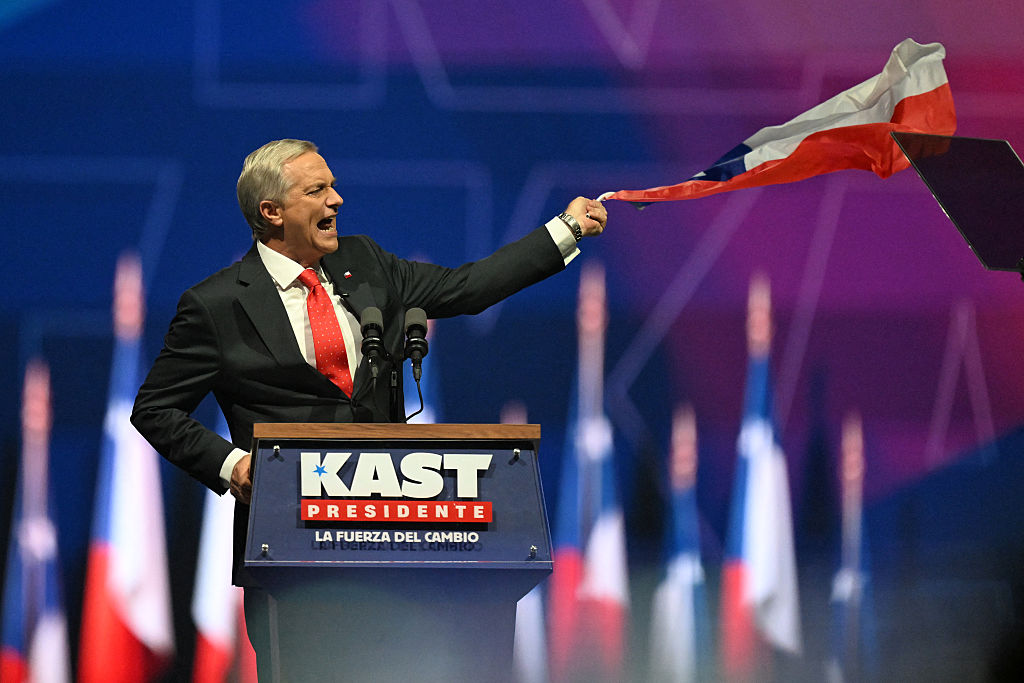
Kast, addressing supporters after securing his place in the second round, framed the coming vote in existential terms.
“It will be the most important election of our generation, a true referendum between two models of society — the current one that has led Chile to destruction, stagnation, violence, and hatred,” he said. “And our model, which promotes freedom, hope, and progress.”
Jara delivered her own rallying cry in downtown Santiago.
“This is a great country,” she told her cheering supporters. “Don’t let fear freeze your hearts.”
The first-round results underscore how fears over rising organized crime have reshaped Chile’s political landscape. Once considered one of Latin America’s safest nations, the country has seen a surge in gang activity, stoking voter anger and fueling anti-migrant sentiment. Kast has seized on that mood, promising mass deportations of undocumented migrants and new fortifications along Chile’s northern border.
“We want change, and that change today is about security,” said José Hernández, a 60-year-old agricultural businessman who voted for Kast.
Although Jara held a narrow lead, analysts say Kast is poised to benefit from the combined support of three eliminated right-wing candidates. Franco Parisi, a populist economist, came in third with 20%. Radical libertarian Johannes Kaiser followed with 13.9%. Both men campaigned heavily on combating illegal immigration.
With left-wing President Gabriel Boric barred from seeking consecutive terms, many voters see the runoff as a referendum on his administration. Economic anxiety has grown, unemployment has climbed above 8.5%, and Chile still operates under its dictatorship-era constitution after voters rejected a new proposed charter.
Jara, however, enters the runoff with a record of concrete achievements. As labor minister, she raised the minimum wage, expanded pension benefits, and reduced the workweek from 45 to 40 hours — policies supporters credit with easing financial pressure.
“The right is trying to sell this idea that the country is collapsing. But I don’t see that,” said Loreta Sleir, 27, who backed Jara.
Her economic platform includes a proposed “living income” of roughly $800 a month through subsidies and wage hikes, as well as large-scale infrastructure and housing investments.
Kast’s approach is vastly different. Inspired by Argentine President Javier Milei, he promises sweeping austerity measures, including slashing corporate taxes, eliminating ministries, and cutting $6 billion in government spending — reforms that appeal to voters frustrated with repeated budget deficits.
“The money disappears,” said Jorge Ruiz, a 48-year-old taxi driver who cast his vote for Kast. “The left spends it on I don’t know what, human rights, and I can barely afford rent.”
The runoff is expected to push both candidates toward the political center. But Jara faces the challenge of overcoming skepticism about her lifelong Communist Party membership — especially after she referred to Cuba as a democracy earlier in the campaign.
“We liked her at first, but that moment was when our opinion shifted,” said Camila Roure, 29, who still won’t vote for Kast due to his record opposing abortion and even divorce.
Kast, meanwhile, has sought to downplay criticism tied to his conservative family values and his father’s Nazi past — issues that galvanized progressive voters against him in previous bids. Yet he has made clear his ideology remains unchanged.
“A Kast government wouldn’t just be a political shift, it would be a huge step backward,” said Macarena Breke, a 27-year-old English teacher and Jara supporter.
As Chile enters a heated final month of campaigning, analysts say the runoff will be defined by crime, the economy, immigration, and a nation still wrestling with the legacy of dictatorship.
“From the moment that democracy arrived, Chile became fearful of criminal activity and distrustful of institutions, of foreigners,” said political scientist Lucía Dammert. “There was fertile ground for fear to grow.”












