



A late-stage addition to this year’s defense bill has ignited fresh debate in Washington, as Republicans move to mandate unprecedented disclosure from the FBI whenever the bureau launches an investigation involving a federal candidate or elected official.
According to Fox News, the proposal, tucked into the sprawling 3,000-page National Defense Authorization Act, requires the FBI to inform congressional leadership within 15 days of opening any “counterintelligence assessment or investigation” targeting a candidate or sitting officeholder.
Under the provision, the bureau would have to notify the top four leaders in the House and Senate, along with the leading Republican and Democrat on both chambers’ judiciary and intelligence committees.
An exception would apply if any of those leaders themselves were under investigation.
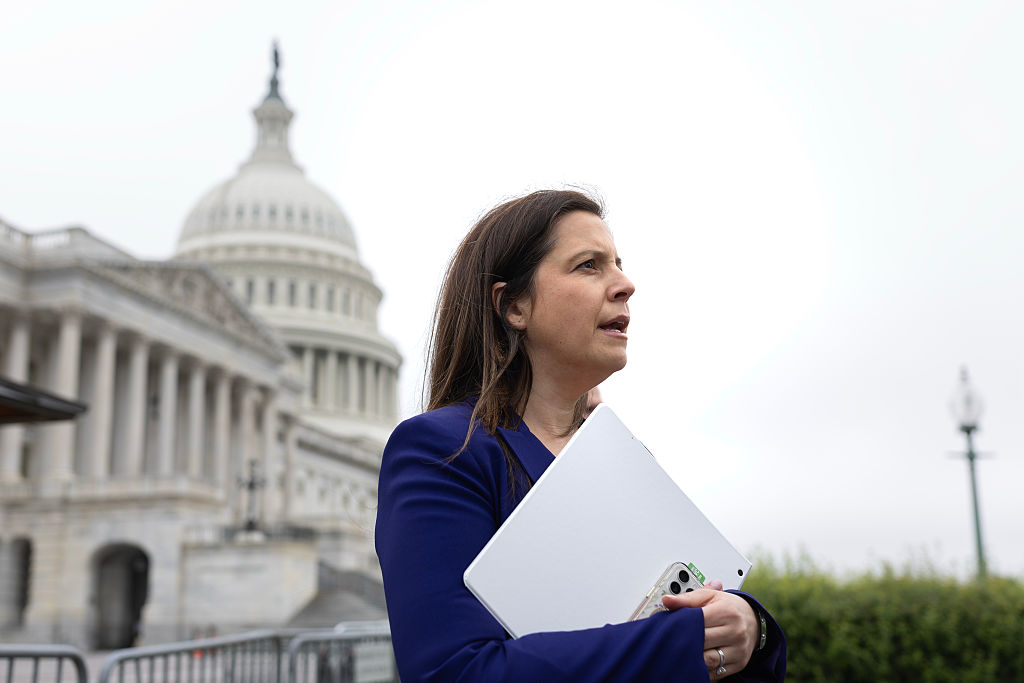
House GOP Leadership Chairwoman Elise Stefanik, R-N.Y., championed the measure and celebrated its inclusion as a significant step toward oversight.
“This is a win that I am proud to deliver for transparency and accountability and against the illegal weaponization of the deep state,” Stefanik said.
She framed the provision as a response to what she describes as past abuses.
“I am the only remaining House Republican who served on the House Intelligence Committee during the dark Schiff impeachment era,” she added. “Congress owes the American people long overdue accountability after the unprecedented illegal weaponization of our federal government.”
Stefanik pointed to earlier controversies, such as the Crossfire Hurricane probe and the more recent Operation Arctic Frost, as examples of why she believes the FBI must be subject to stricter congressional scrutiny.
House Judiciary Chairman Jim Jordan, R-Ohio, also endorsed the language. “He has always been 100% supportive of this provision,” a spokesman said.
The pathway to inclusion was not smooth. Stefanik publicly accused Speaker Mike Johnson, R-La., of allowing the measure to be stripped from the bill.
Johnson countered that the deletion occurred during normal negotiations and said he supported the idea himself.
Later, Stefanik announced the provision had been reinstated after a conversation involving Johnson and President Donald Trump.
“I shared my views that House Republicans need to focus on delivering results,” she said.
GOP aides acknowledged some “miscommunication and misunderstandings” early in the process but said they ultimately worked with Stefanik’s team and relevant committees to refine the language.
Legal scholars remain divided. Northeastern University professor Jeremy Paul said the rule would be difficult to challenge constitutionally.
“It’s not easy for me to think of one that would derail this statute,” he said, though he added the measure “doesn’t mean the statute is a good idea.”
Conservative lawmakers, however, view the provision as essential. “We support that 110%,” Jordan said last week. “This is definitely needed.”
With the NDAA poised for passage, the disclosure requirement could soon become law — reshaping the balance between the FBI and Congress whenever campaign-related investigations emerge.