



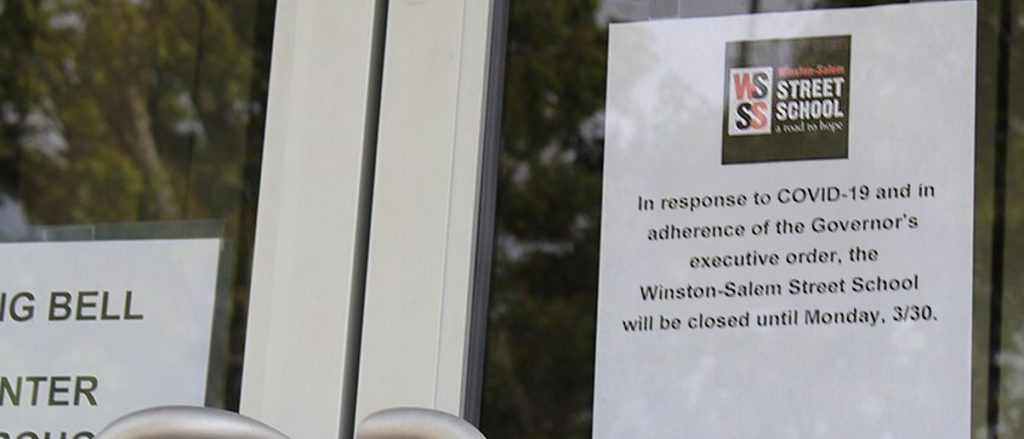

Children’s mental health unsurprisingly plummeted when they were forced to stay home during the COVID-19 pandemic, a recent study has discovered.
Using medical claim data from a large private health insurer in California, researchers found that school closures were associated with increased spending on depression and anxiety treatments for five to 18-year-olds, according to The New York Times. During the pandemic, a stunning 2.8% of kids required professional help for mental health, but not long after schools reopened, children were 43% less likely to need treatment for mental health conditions.
Young girls were especially impacted by the pandemic, the study found.
“School closures during the COVID-19 pandemic disrupted children’s education, socialization, and access to mental health resources, raising concerns about long-term effects on [children’s] mental health,” the study stated. “In-person learning is an important component of children’s mental health.”
Medical spending and prescriptions issued for mental health concerns began declining about four months after schools reopened, dropping further after six months, according to the Times. Spending on medication for issues such as depression and anxiety decreased by 7.5%, and spending on therapy and similar treatments declined by 10.6%.
For most of the pandemic, discussing the downsides of prolonged school closures was treated as socially and professionally off-limits. One co-author of the study expressed frustration that people were not open to those conversations at the time, saying they were often “immediately jumping to very political, hyperpartisan responses.”
“This is definitely a piece of evidence that I wish we’d had at the beginning of the pandemic to inform the conversations we were having,” Dr. Rita Hamad, social epidemiologist at Harvard, told the Times. “I think the decisions may have been different if we had seen that the benefits of school closures were being outweighed by risks like this.”
“The hope really is to inform policymaking the next time around,” Hamad added.
Others are less sure about the correlation. Economist Benjamin Hansen suggested the decline in mental health visits stems from the advent of the Covid vaccine.
“There is a delay which makes me wonder what else they could be picking up,” Dr. Hansen told the Times, adding that “vaccines came, and people stopped worrying about dying.”
The academic impact on students from the pandemic has already been well documented. Even in 2024, less than a third of students in fourth and eighth grades can read at a proficient level. A large portion of students are failing to meet even basic math benchmarks.
All content created by the Daily Caller News Foundation, an independent and nonpartisan newswire service, is available without charge to any legitimate news publisher that can provide a large audience. All republished articles must include our logo, our reporter’s byline and their DCNF affiliation. For any questions about our guidelines or partnering with us, please contact [email protected].