



Wikipedia, long seen as a neutral reference point, is increasingly being accused of shaping political narratives rather than simply documenting them. Critics argue that certain editors are not just organizing information but actively filtering it—especially when it comes to controversial figures like New York City mayor Zohran Mamdani and those close to him.
Mamdani’s rise in politics has come with scrutiny over his past associations and public statements. Before taking office, he drew attention for a rap video in which he referenced individuals later convicted of financing Hamas.
When that detail surfaced, some media outlets downplayed it, choosing instead to focus on the novelty or awkwardness of the music itself. Coverage often leaned into cultural analysis rather than examining the substance of the criticism.
The same pattern, critics say, extends beyond traditional media and into Wikipedia. Because the site is widely used as a quick reference—and increasingly as a data source for AI systems—what gets included or excluded can carry real influence. Small editorial decisions, repeated across thousands of entries, can subtly shape how people and events are understood.
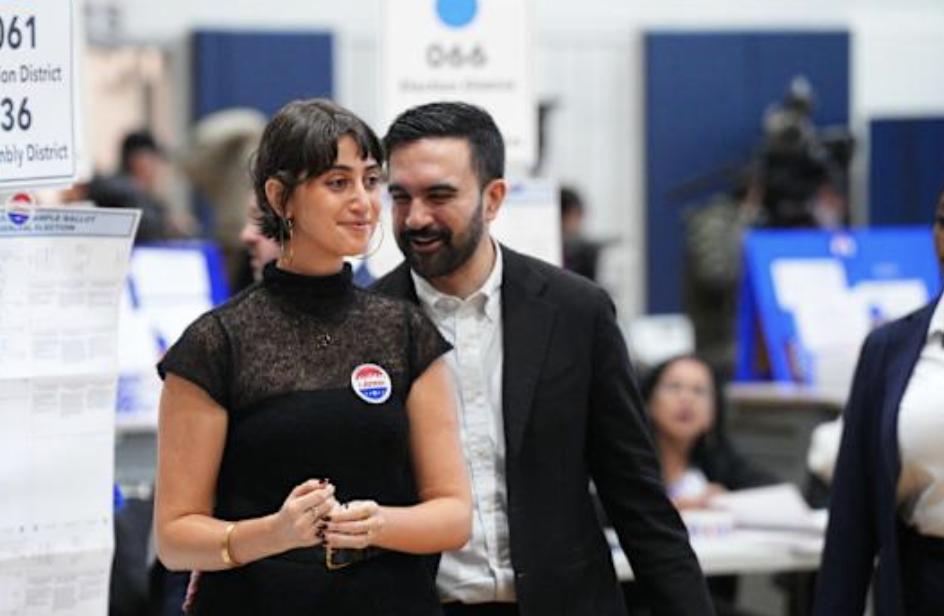
Take the case of Mamdani’s wife, Rama Duwaji. Reports have circulated about her past social media activity, including engagement with posts related to extremist groups and inflammatory language.
Yet on her Wikipedia page, those claims appear to have been softened. Instead of detailed context, the description is reduced to a vague line about supporting the Palestinian cause. The difference between those two portrayals is significant, and critics argue that this kind of framing changes how readers interpret the situation.
The issue isn’t just what’s written, but what sources are considered acceptable. Wikipedia maintains a ranking system for media reliability, and outlets like The New York Post are often labeled as unreliable. That designation can effectively block their reporting from being cited, even when it contains verifiable information. At the same time, other publications with clear editorial leanings are treated as credible, creating what some see as an uneven playing field.
Editing disputes reveal how this plays out in practice. In some cases, individual editors have pushed to remove or reword contentious information, dismissing certain reports outright based on their source. Debates over phrasing, relevance, and bias can stretch on, often resulting in watered-down language or omissions altogether.
Wikipedia is no longer just a crowdsourced encyclopedia; it’s part of the infrastructure that feeds search engines, voice assistants, and AI models. If the underlying material is skewed—whether intentionally or not—that influence can ripple outward.
None of this means every claim is accurate or that every omission is deliberate. Wikipedia’s model relies on consensus, and disputes are inevitable. But the concern is that consistent patterns of inclusion and exclusion may reflect more than just editorial caution. They may point to a deeper imbalance in how information is filtered, framed, and ultimately presented to the public.
The post Wikipedia Editors Have Been Busy appeared first on Red Right Patriot.












