Release
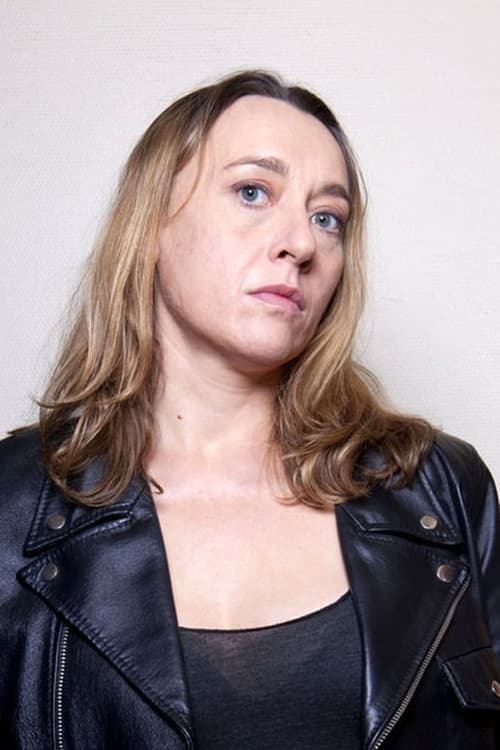
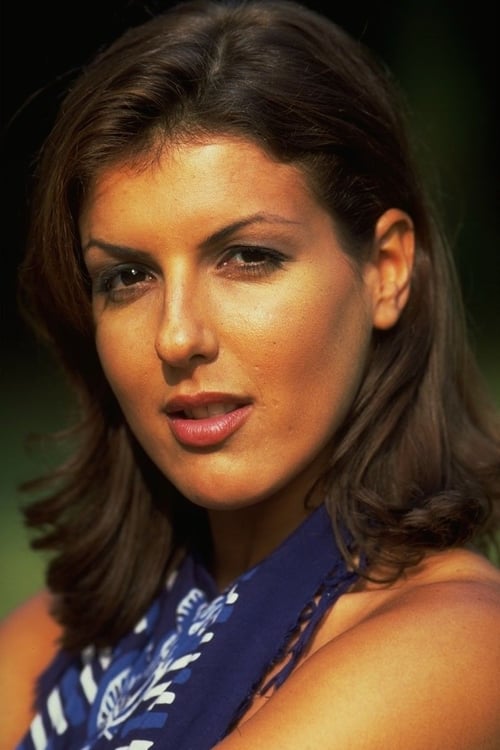
The film, co-directed by Coralie Trinh Thi who had previously worked as a pornographic actress, included several unsimulated sex scenes. The two lead roles were also played by porn actresses, while several other porn actors, including Ian Scott as one of the rapists, appeared in supporting roles. Due to this, some sections of the media criticized the film as thinly veiled pornography. Le Monde, for instance, called it a "sick film". Time magazine bucked the trend by saying: "Virginie Despentes and Coralie Trinh Thi's festival sensation is stark, serious and original. And as one of the amoral avengers, Raffaela Anderson has true star quality – part seraph, all slut." The co-directors rejected the pornography charge: Trinh Thi said in an interview with the Sunday Times that "This movie is not for masturbation, [thus it] is not porn." Despentes agreed, saying their film "was not erotic".
In its home country of France, the film was initially released with a 16 rating, given by a ministerial commission. The rating caused outrage, particularly amongst members of the right-wing Promouvoir religious group, which is strongly associated with the Mouvement National Républicain. Some groups litigated against the classification decision, arguing that the film should be X-rated given its high content of realistic sex and extreme violence, both of which are grounds for X classification in France; the Conseil d'État ruled its classification illegal, removing it from the theater circuit. It was the first film to be banned in France for 28 years. The Conseil later re-classified the film with an X certificate, a category usually reserved for pornographic movies. Minister for Culture Catherine Tasca ended the debate by re-introducing an 18 certificate without the X classification, allowing the film to be re-released in mainstream theatres.
In Australia, the film was initially passed for viewing at the highest possible R18 rating in a 6–5 vote by the country's Classification Board in October 2001. However, the Attorney-General invoked his powers under the 1995 Classification Act to have the board's decision reviewed. The Classification Review Board (a separate entity to the Classification Board) ruled in May 2002 that the film contains "explicit, offensive and graphic depictions of sexual violence, assault and violence with an impact that is very high" and "dangerous to the community", resulting in the film being banned with a "Refused Classification" rating. It was later revealed that 50,000 people had seen the film before the ban, but according to Des Clark, director of the Office of Film and Literature Classification, just "one or two" of those had complained about the film. Most complainants, he explained, had not seen the film. An appeal of the review board's verdict failed. Despite an edited screening of the film airing on the pay World Movies channel later the same month, the film was re-banned in August 2013. The film was apparently available for a time on the streaming service Stan in 2018, but has since been removed.
It received an R18 rating in cinemas in New Zealand, and was banned from video release there, following an injunction filed by the Society for the Promotion of Community Standards.
In Canada, the film was banned in Ontario, initially because it was deemed too pornographic. The producers asked for a pornographic rating, only for it to be banned because there was too much violence for a pornographic film. A second review in 2001 passed the film with an R rating. In Quebec, the film was considered to be a moderate success for an independent release, taking in approximately CA$250,000 in the first two months of its run. It did, however, provoke a violent reaction from one Montreal moviegoer, who broke into the projection booth and stole the print, ending the screening.
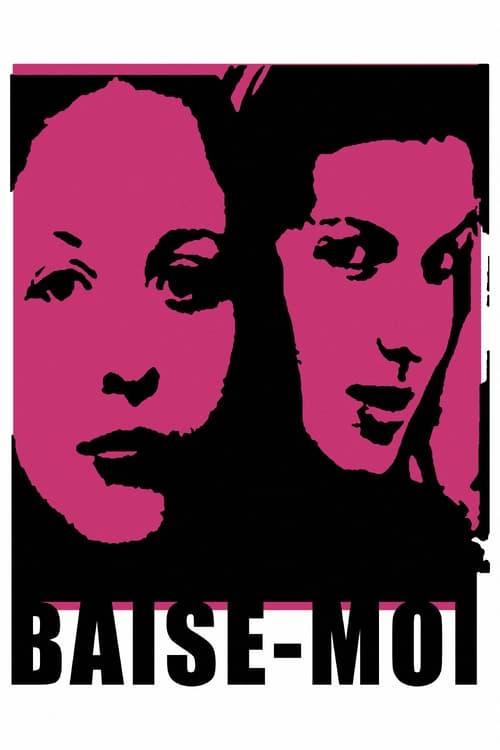
In the United Kingdom, the film was released with an 18 certificate for its 2001 cinema release after the cut of a ten-second scene showing a close-up of a penis entering a vagina during a rape, which the Board ruled eroticized sexual assault. After a further cut of a two-second scene showing a gun being pressed into a man's anus before being fired, the film received an 18 certificate on video in 2002. Even with these cuts, the film represents a watershed in what content is allowed at the 18 rating—films with the higher R18 rating can only be sold in licensed sex shops. The film was one of the first to show an erect penis, and the first to combine it with scenes of violence. The London Underground banned the display of the film's advertising poster because of fears that its title would offend French-speakers using its network. In 2013, the film was passed uncut with the 18 certificate.
In the United States, the film was marketed under the names Kiss Me and Rape Me and released without a classification from the Motion Picture Association of America. It screened only at a small number of cinemas (almost all of them in arthouse cinemas in the major cities). The film took just $70,000 in receipts from its American release and there was a marked lack of controversy as compared to other countries.
Two minutes and 35 seconds of cuts were required before the film received a certificate in Hong Kong. In Finland, the film was rated K18 (Forbidden for under 18). An uncut version was shown in both cinemas and on TV.