Plot
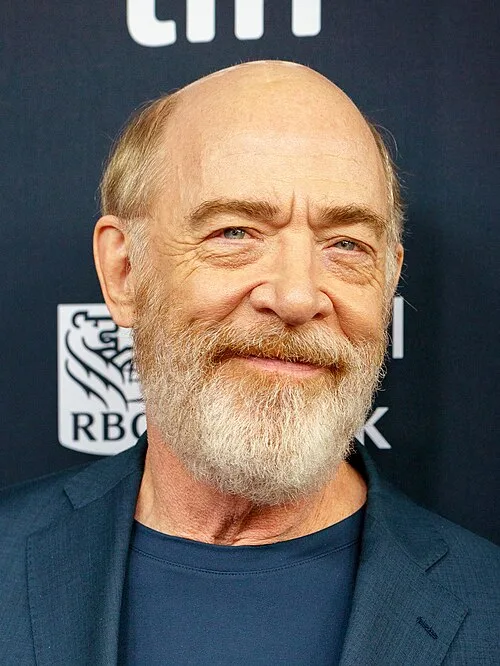
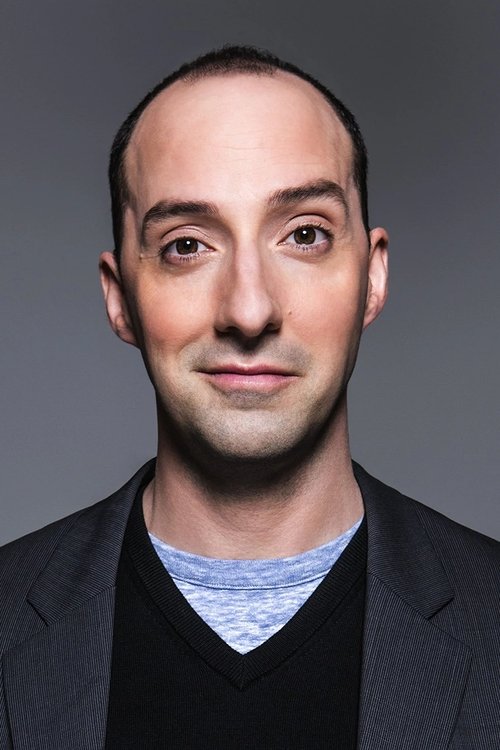
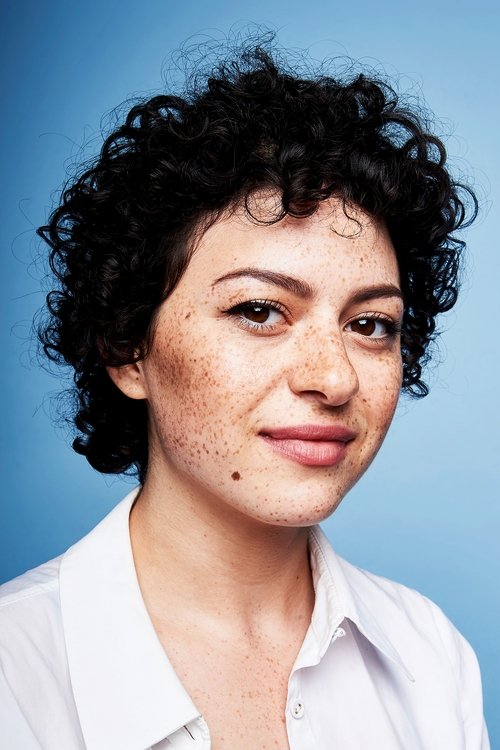
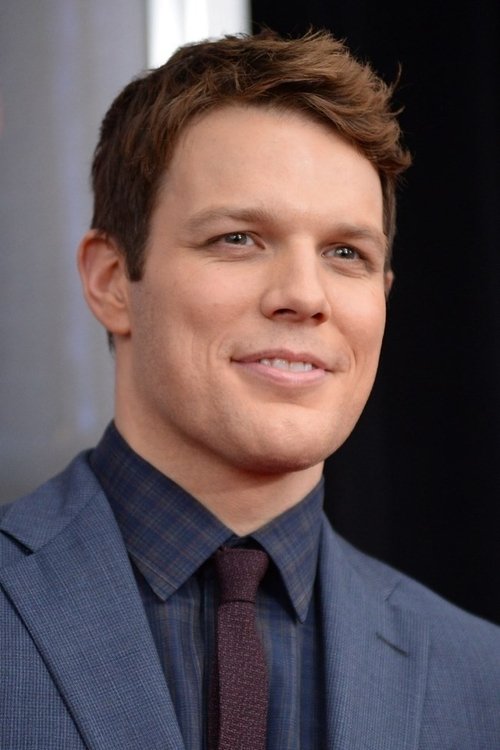
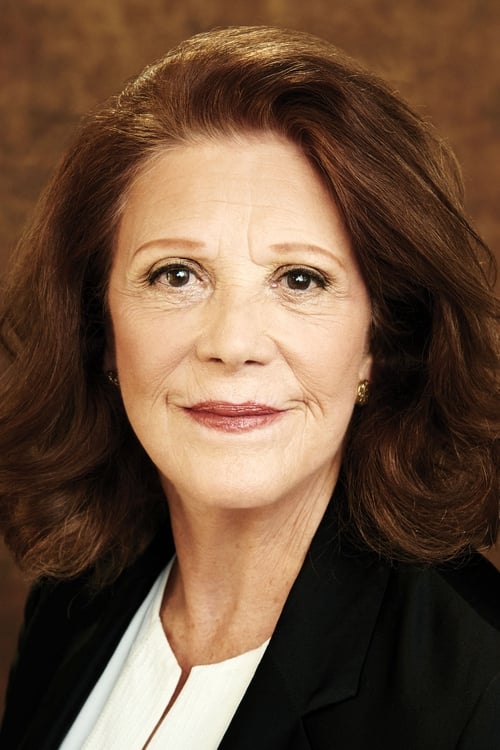
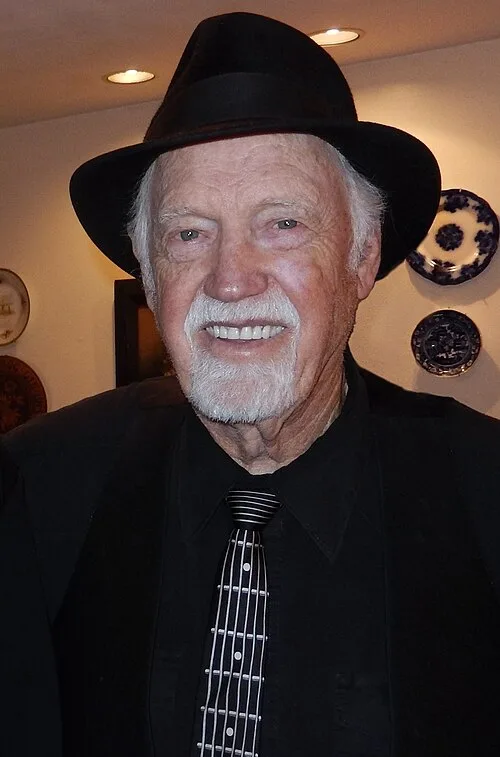
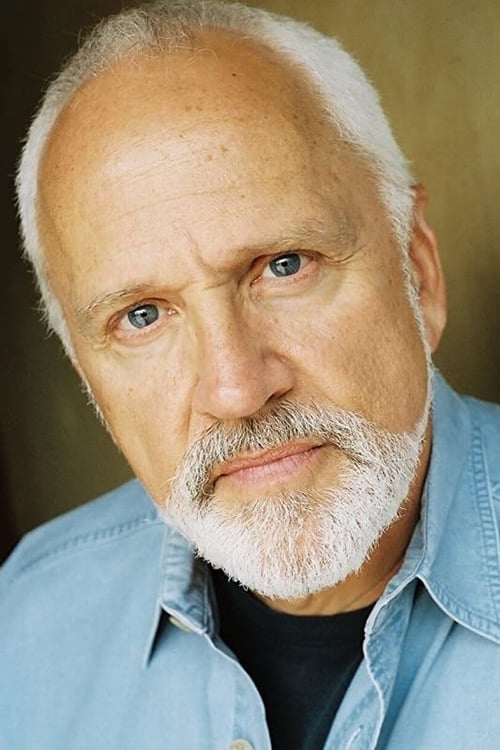
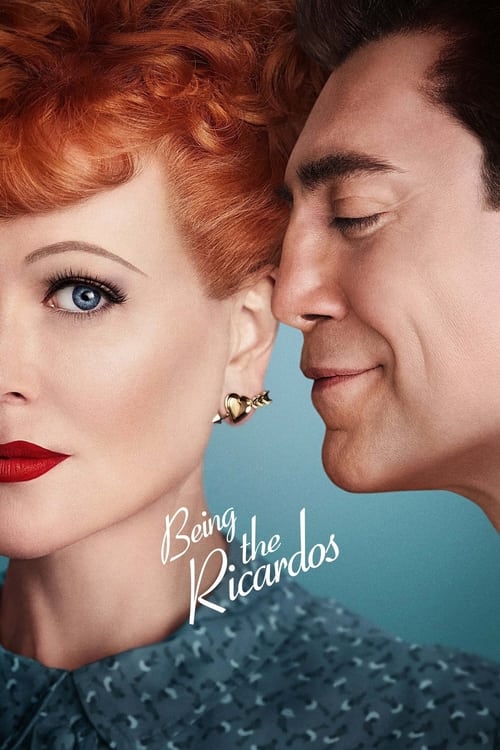
The film is told from three perspectives: "present-day" interviews with I Love Lucy's lead writers Jess Oppenheimer, Madelyn Pugh, and Bob Carroll Jr.; flashbacks throughout Lucille Ball and Desi Arnaz's relationship; and preparations for filming an episode of the show in 1953.
In 1939, Ball is an actress contracted to RKO Pictures, earning the moniker "Queen of the B-Movies". Cast in the failed comedy Too Many Girls, she falls in love with her costar, Cuban singer Arnaz. He assures her of her talent as a comedian, and she confides her dream of simply making a home with someone. They marry and buy a house in Hollywood, but struggle to spend time together, with Arnaz busy fronting his Desi Arnaz Orchestra while Ball continues her film career with little success.
After serving in World War II, Arnaz resumes touring with his orchestra, and Ball lands a starring role in 1942's The Big Street. She meets with RKO President Charles Koerner, expecting to become an established star like Rita Hayworth and Judy Holliday. Instead, he terminates her contract, largely due to her age, and suggests she use her voice for radio. In 1948, she is cast in the radio show My Favorite Husband, which becomes a massive success.
CBS suggests turning My Favorite Husband into a television show, sponsored by cigarette company Philip Morris. Hoping to bring her and Arnaz closer together, Ball agrees on the condition that he plays her on-screen husband; the executives initially refuse to have an "all-American" star with a Cuban husband, but are forced to concede. By 1951, the show is renamed I Love Lucy and becomes a smash hit with nearly 60 million viewers each week.
Ball and Arnaz produce the show in Los Angeles through their company Desilu Productions, with a three-camera system designed by Arnaz allowing East Coast viewers to watch live without static, while accommodating a studio audience. Dealing with friction between her costars William Frawley, who is often drunk, and Vivian Vance, who resents Ball's attempts to make her less attractive, Ball clashes with the directors and writers over her exacting demands.
Walter Winchell's radio program claims to have evidence of Ball's Communist ties, alarming I Love Lucy's crew that their show will be shut down. Ball admits to registering with the party when she was young and influenced by a relative, and Arnaz frustrates her by announcing that she innocently marked the wrong box. They inform the writers she is pregnant with their second child, planning to integrate this into future episodes, but executives refuse to allow even the word "pregnant" on the air.
Ball confronts her husband for often staying out late, but he proves that a tabloid photo of him with another woman was taken months ago. After Frawley suggests that Arnaz's behavior stems from feeling emasculated by Ball taking over many of the show's business and creative decisions, she asks Oppenheimer, the official showrunner, to help save her marriage. Instead of offering him a producer credit, Oppenheimer assures Arnaz he has top billing as the "I" in I Love Lucy, but he rejects the patronizing gesture. Arnaz reaches out to the head of Philip Morris directly, securing permission to introduce Ball's pregnancy into the show.
The night of filming a new episode, a newspaper article declares Ball a Communist, though she was cleared during an HUAC hearing. Arnaz addresses the studio audience about the accusations and takes a live call with FBI Director J. Edgar Hoover, who confirms that Lucy was cleared of all charges. Celebrating backstage, Ball confronts Arnaz with a lipstick-stained handkerchief, which he claims is hers, but she shows him another handkerchief with her own lipstick, and he finally admits to his infidelity.
As filming begins, Ball momentarily loses her concentration, triggered by Arnaz's catchphrase — "Lucy, I'm home". An epilogue reveals that Ball filed for divorce after the taping of their last show in 1960.





.jpg?width=400)