Development
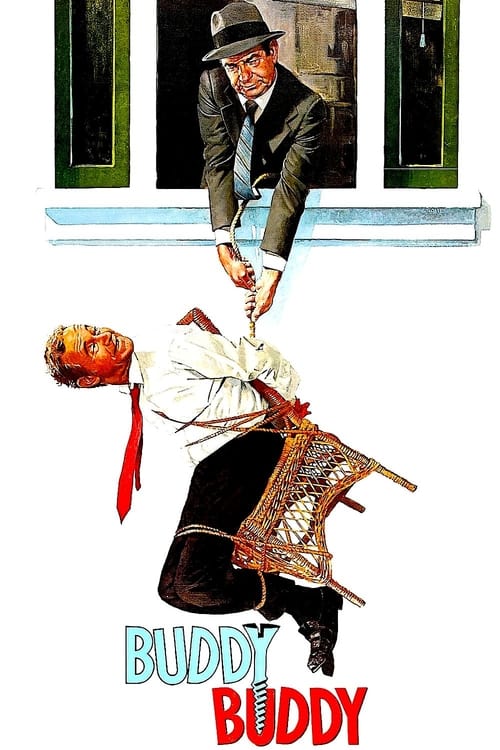
L'emmerdeur, a huge hit in Europe, had been released as A Pain in the Ass in art houses in the United States, where it had enjoyed moderate box-office success. Jay Weston of William Morris Agency obtained the remake rights and pitched on the film for Matthau, Lemmon and Wilder to work.
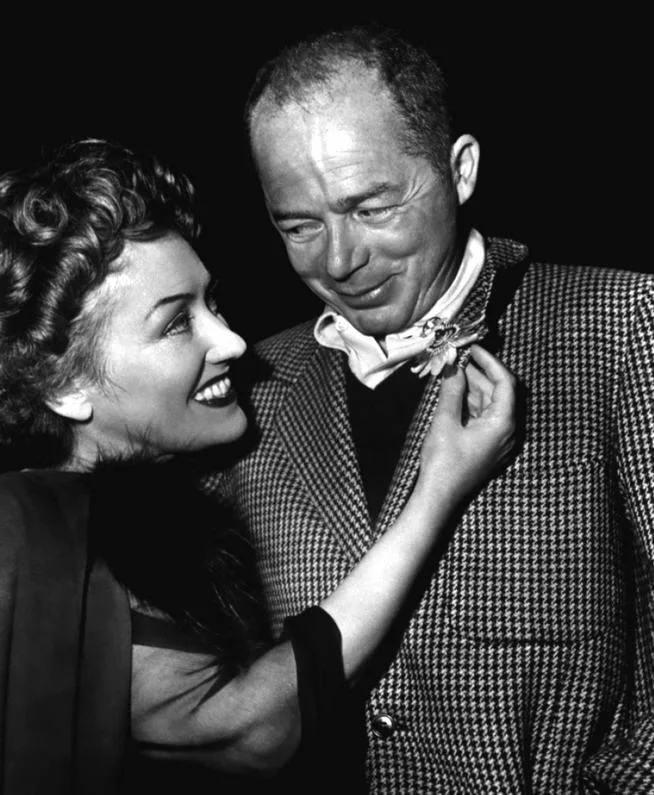
Wilder said of the film, "If I met all my old pictures in a crowd, personified, there are some that would make me happy and proud, and I would embrace them ... but Buddy Buddy I'd try to ignore."
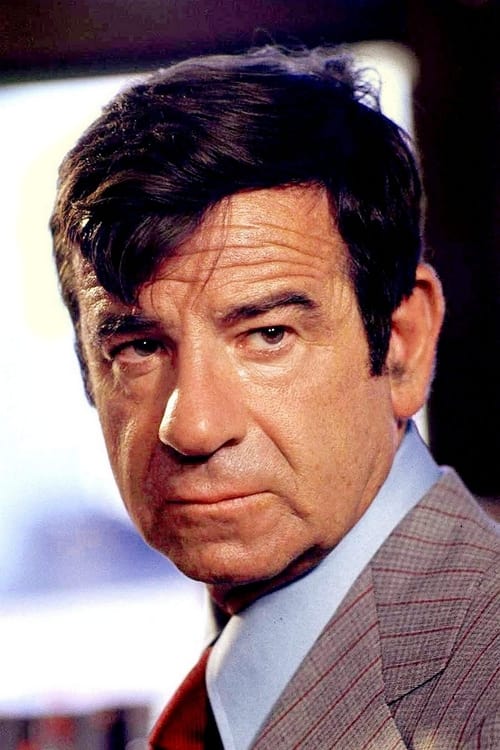
"I couldn't say no to Billy," Matthau said later, "and I didn't want to say no to being in a Billy Wilder picture. But this wasn't a Billy Wilder picture."
"Iz Diamond and I were working on another project," said Wilder, "when William Morris came to us with this one. We looked at the French movie and saw possibilities in it. I would prefer doing an original story or screenplay. The most fun is working on a movie like Sunset Boulevard or The Apartment, where you start from scratch. Here I found myself with a ready-made thing, but there are certain advantages to that. I didn't have to audition for the studios and pass through Checkpoint Charlie before they would approve the project. We knew we had a starting date, which is rare enough these days."
Wilder said, "I hadn't been working enough, and I was anxious to get back on the horse and do what I do – write, direct. This wasn't a picture I would have chosen."
Wilder and Diamond wrote the script in three months—"a record for us" said Wilder—but then they "sat on it" waiting for the Actors Guild strike to end, and for Lemmon and Matthau to become available. The film roughly followed the original, although the ending was changed.
"I aim a movie at pleasing me and maybe ten of my friends," said Wilder, adding:
That's the only way I know how to operate. The audience senses when you're doing something without any conviction ... To keep your sanity and your self-respect, you must believe that there will be an audience for what you want to do. It may not be the blockbuster of all time, but what is wrong with a modest success? Once you lose the belief that quality will pay off, you are lost. The next thing you know, you're doing a 'Tuesday the 11th' horror story. I could do that if I wanted to. After all, there are still about 360 days left in the calendar.
"It's the funniest script since Some Like It Hot," said Lemmon. "It has no message - it's just fun."
Wilder said that the film would be "a bit like Some Like It Hot ... and hopefully it'll be fast and funny. But unlike Kiss Me, Stupid, this is a commercial movie - nothing arty in it, nothing very serious, somewhere in between Stir Crazy and George Bernard Shaw."
Matthau said, "In farce, the object of the film is to be very funny - not just funny, but very funny. So it's easy. You either are funny, or you're not. The audience has to suspend disbelief totally, and presumably they get some pleasure in return."
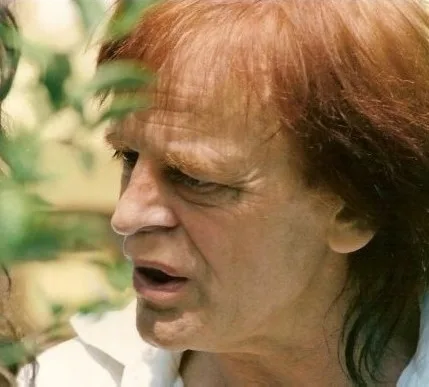
The film was budgeted at $10 million, which Wilder said was "less than the average advertising campaign". He gave a key role to Klaus Kinski, calling him "an extraordinary actor ... a funny Nosferatau. There hasn't been a face like his since Conrad Veidt."
Buddy Buddy was produced by Metro-Goldwyn-Mayer; Wilder had not made a film at the studio since writing the screenplay for Ninotchka with Charles Brackett and Walter Reisch in 1939. Wilder said:
They've been renting out so much of their studio space to outside people that now they have to find studio space outside for their own pictures. But there seems to be a drive toward it becoming a full studio again. I just regret how the whole thing dissolved by selling off the props and art when Jim Aubrey was hired to supervise the graves here. In the mid-Thirties, studios had a personality. You could recognize an MGM movie from a Paramount movie from a Warner's movie. That's gone ... Every time you saw white living rooms, white beds, white décor, you knew it was an MGM movie. It's like the hotels now. It doesn't matter whether you're in Paris or Istanbul, you're in the same place. Pride is gone, confusion is rampant. People who are in power today and make the decisions couldn't be my second assistant. On the plus side, there is a push to come back. It's not all mercenary. There is enough confidence from Begelman and Frank Rosenfelt to leave us alone and not breathe down our backs. Wilder first met Veber for lunch at the MGM commissary when the latter was in Hollywood working on the screenplay for Partners (1982). Wilder gave him a copy of the script, and Veber said, "I thought then that I saw flaws in it and wanted to tell him about them but I didn't dare. I have too much respect for that man. And who was I, a little Frenchman, to say anything? So I just said 'Very good' and left it at that."