Overview
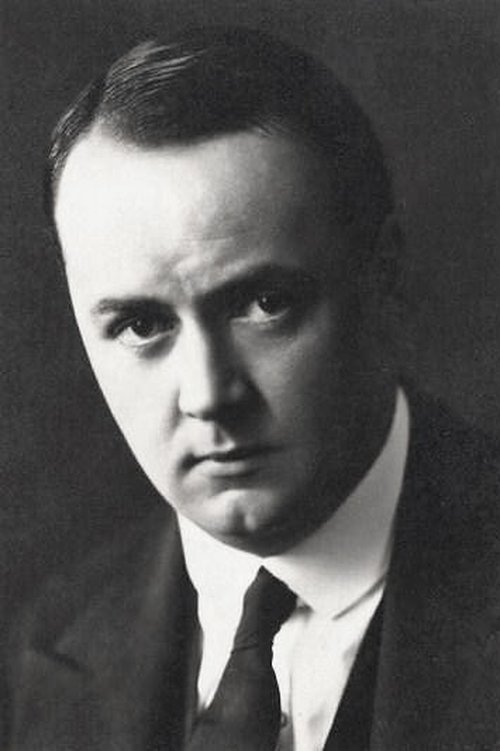
Charles Pearce Coleman (December 22, 1885 – March 8, 1951) was an Australian-born American character actor of the silent and sound film eras.
Early years
Coleman was born in Sydney, New South Wales, Australia, on December 22, 1885.
Career
Coleman began his film career in the 1915 silent film, The Mummy and the Humming Bird, which was also the screen debut of Charles Cherry, a noted stage actor. In more than half of his 200 performances in films, he appeared as a butler, doorman/concierge, valet, or waiter. In the 1930s, Coleman appeared in such films as Beyond Victory (1931), starring Bill Boyd and James Gleason, the Wheeler & Woolsey comedy Diplomaniacs (1933), 1934's Born to Be Bad which starred Loretta Young and Cary Grant, the 1934 version of Of Human Bondage starring Bette Davis and Leslie Howard, the first film to star the pairing of Fred Astaire and Ginger Rogers, The Gay Divorcee (1935), the first feature-length film to be shot entirely in Technicolor, Becky Sharp, 1936's Magnificent Obsession starring Irene Dunne and Robert Taylor, the Spencer Tracy vehicle, Captains Courageous (1937), The Prince and the Pauper (1937), starring Errol Flynn and Claude Rains, and the Reginald Owen version of A Christmas Carol (1938).
In the 1940s, Coleman's films included: Buck Privates (1941), the first film starring the comedy duo of Abbott and Costello; 1943's Du Barry Was a Lady, starring Red Skelton, Lucille Ball, and Gene Kelly; Orson Welles and Joan Fontaine in the 1944 version of Jane Eyre; the 1945 film The Picture of Dorian Gray, with George Sanders, Donna Reed, Angela Lansbury, and Peter Lawford; and the 1949 comedy A Connecticut Yankee in King Arthur's Court, starring Bing Crosby and Rhonda Fleming.
From Wikipedia (CC BY-SA 4.0).