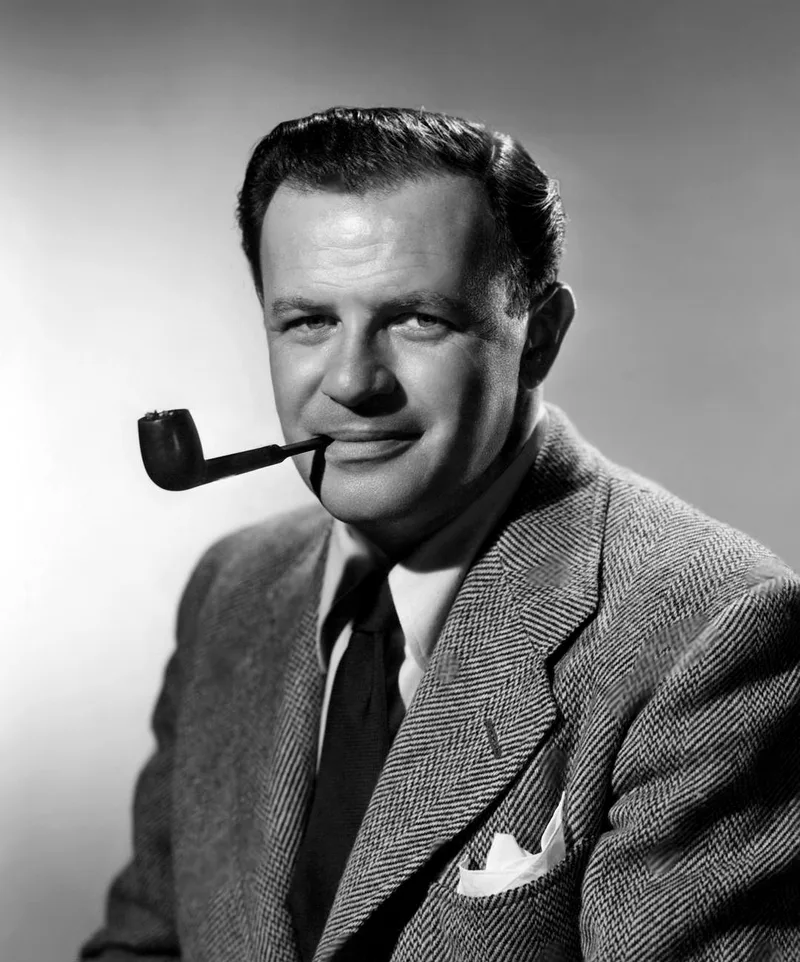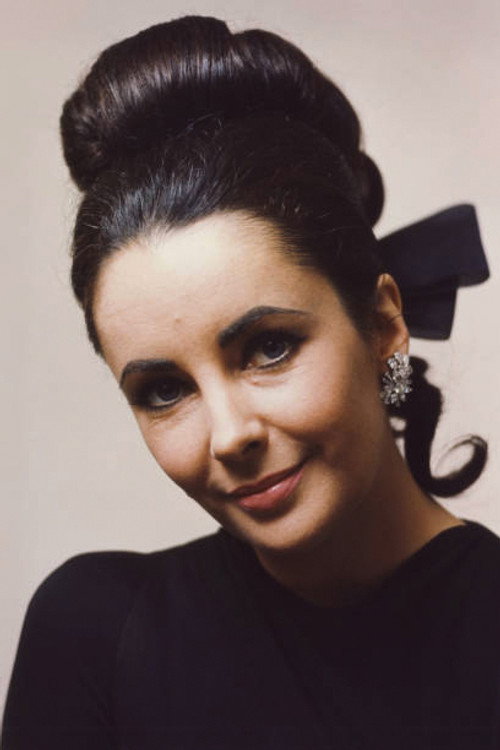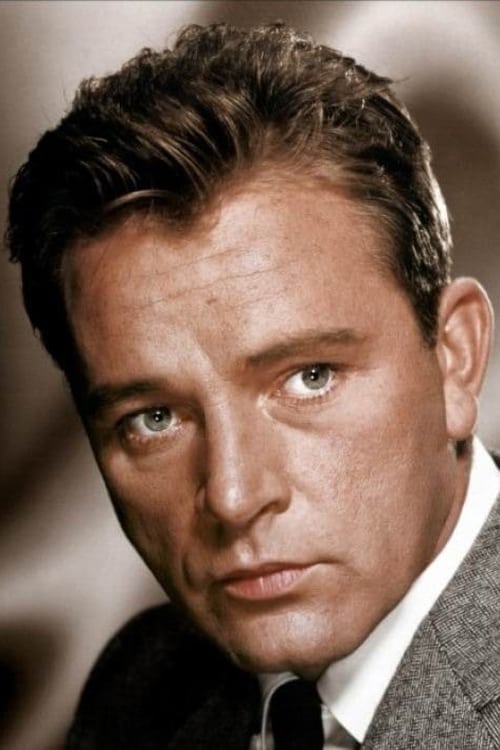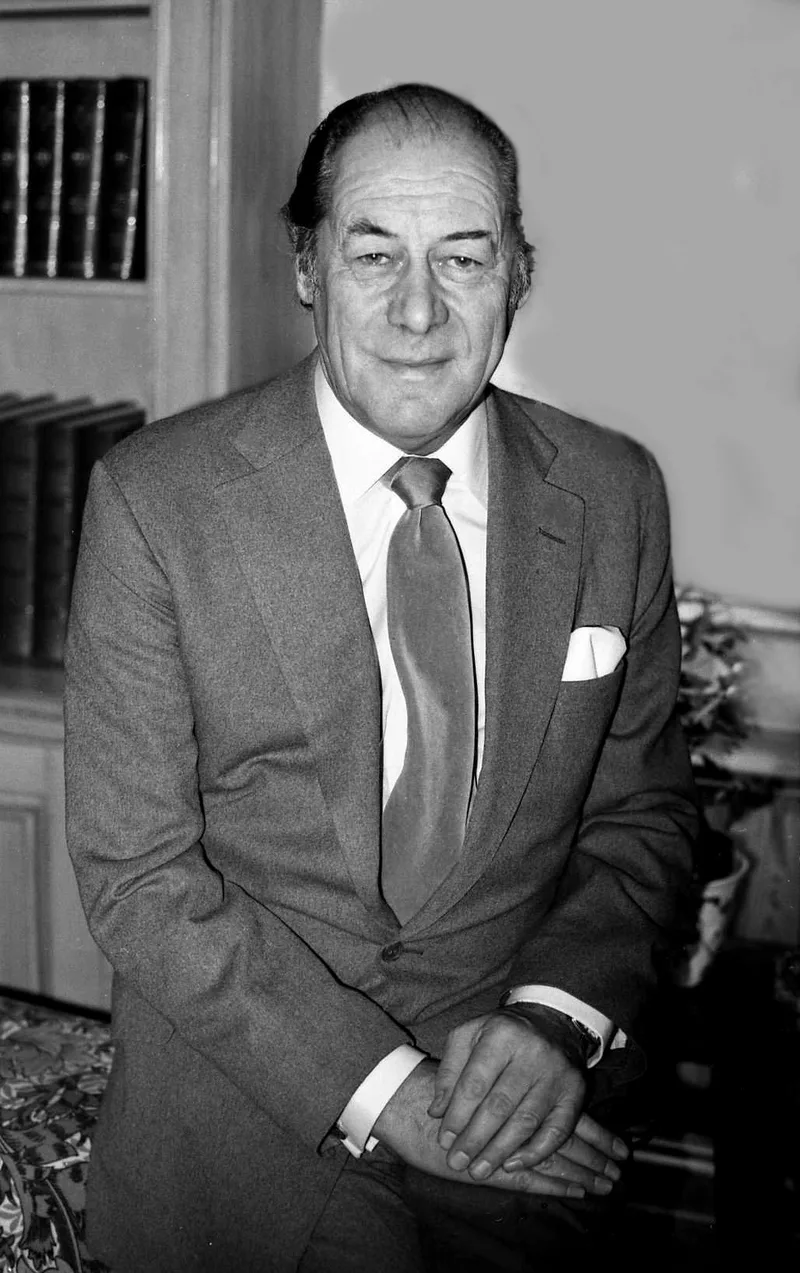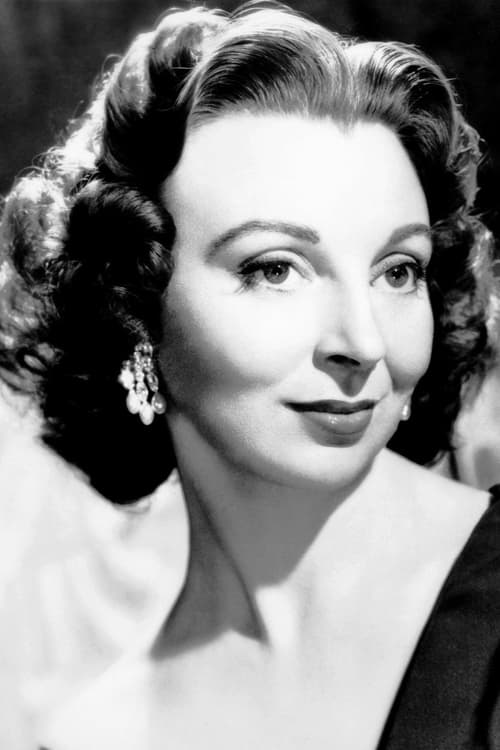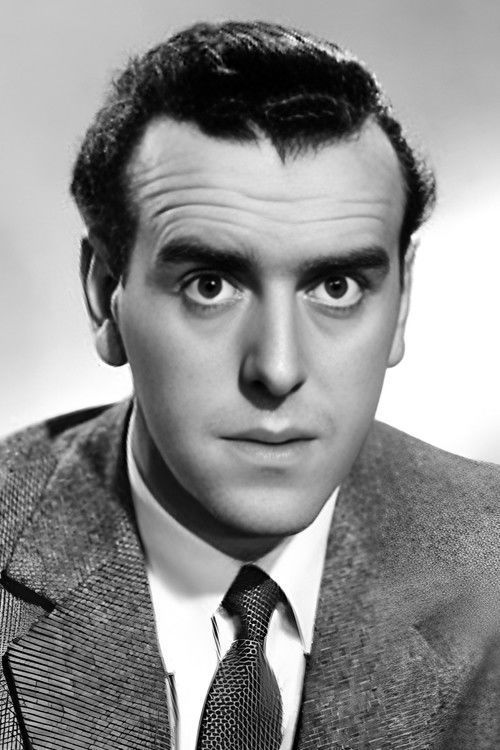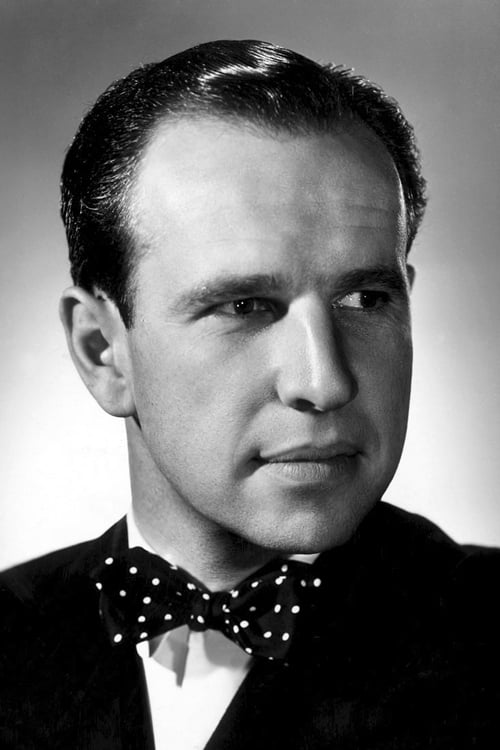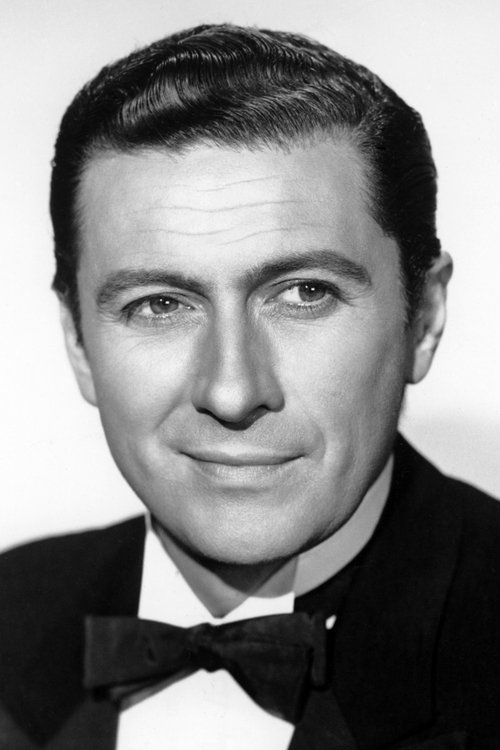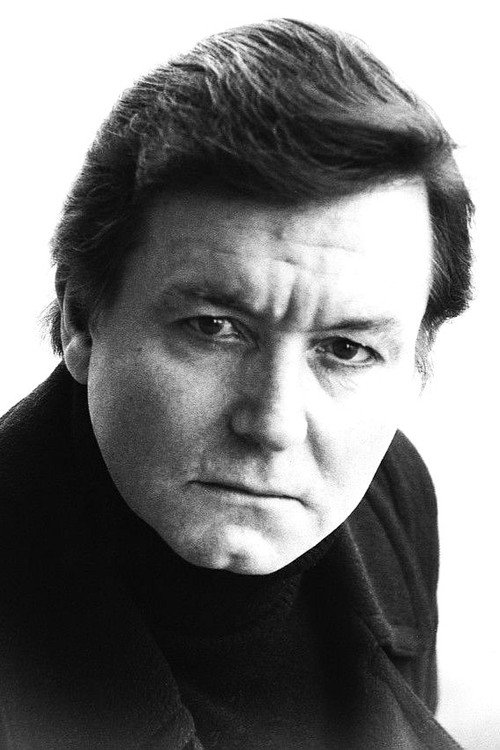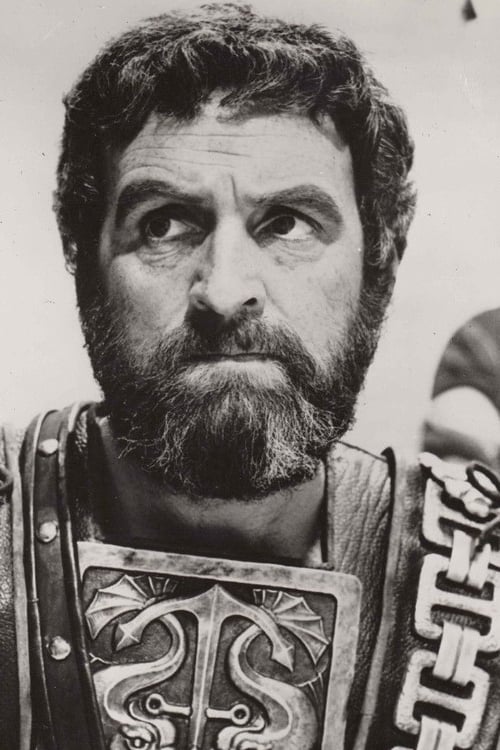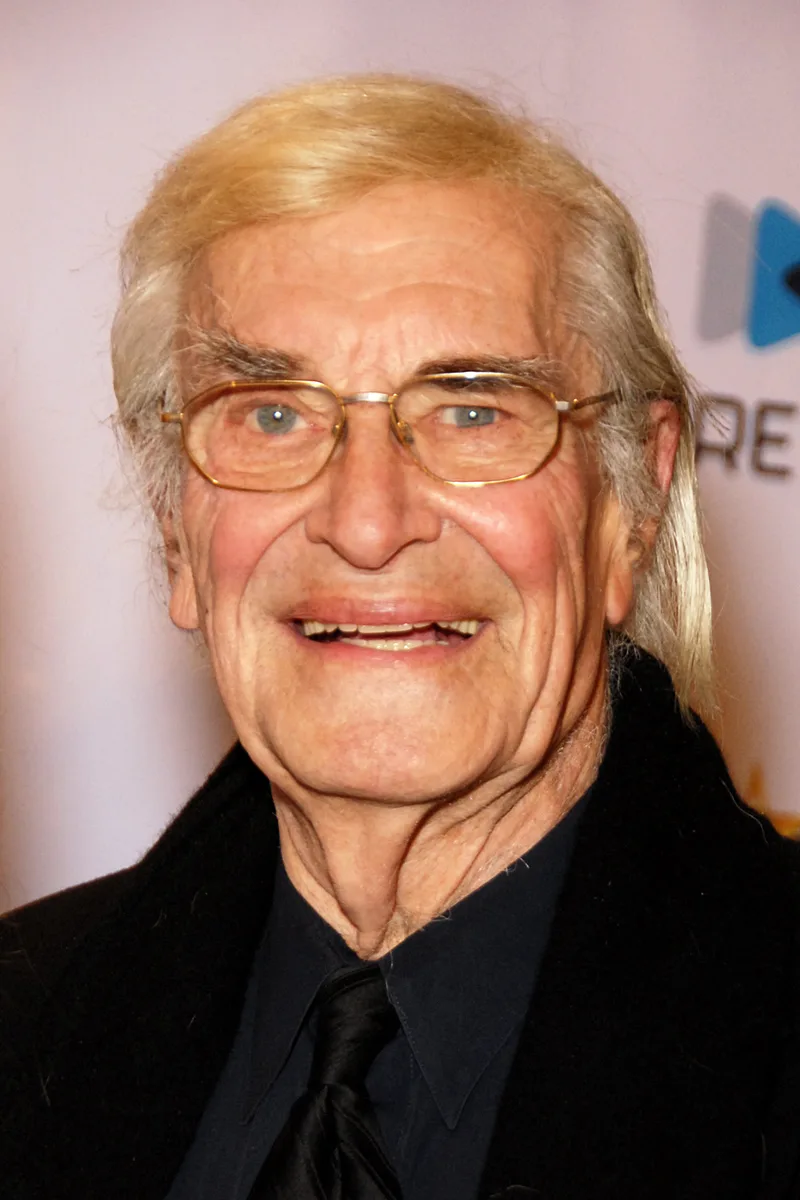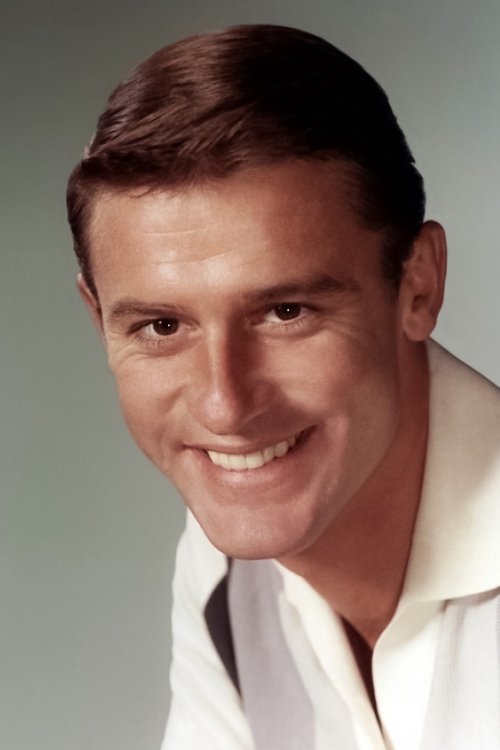



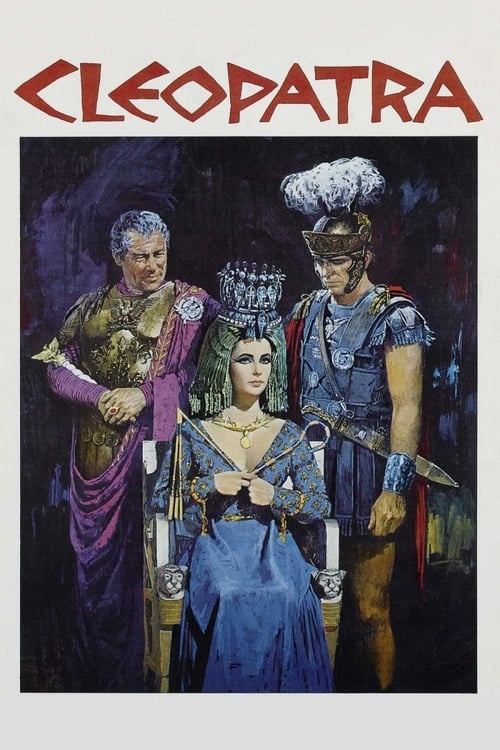
Cleopatra is a 1963 American epic historical drama film directed by Joseph L. Mankiewicz, who co-wrote the screenplay with Ranald MacDougall and Sidney Buchman, adapted from the 1957 book The Life and Times of Cleopatra by Carlo Maria Franzero, and from histories by Plutarch, Suetonius, and Appian. The film stars Elizabeth Taylor in the eponymous role, along with Richard Burton, Rex Harrison, Roddy McDowall and Martin Landau. It chronicles the struggles of the young queen Cleopatra VII of Egypt to resist the imperial ambitions of Rome.
Walter Wanger had long contemplated producing a biographical film about Cleopatra. In 1958, his production company partnered with Twentieth Century Fox to produce the film. Following an extensive casting search, Taylor signed on to portray the title role for a record-setting salary of $1 million. Rouben Mamoulian was hired as director, and the script underwent numerous revisions from Nigel Balchin, Dale Wasserman, Lawrence Durrell, and Nunnally Johnson. Principal photography began at Pinewood Studios in September 1960, but Taylor's health problems delayed further filming. Production was suspended in November after it had gone over budget with only ten minutes of usable footage.
Mamoulian resigned as director and was replaced by Mankiewicz, who had directed Taylor in Suddenly, Last Summer (1959). Production was re-located to Cinecittà, where filming resumed on September 25, 1961, without a finished shooting script. During filming, a personal scandal made worldwide headlines when it was reported that co-stars Taylor and Richard Burton had an adulterous affair. Filming wrapped on July 28, 1962, and further reshoots were made from February to March 1963. With the estimated production costs totaling $31 million (not counting the $5 million spent on the aborted British shoot), the film became the most expensive film ever made up to that point and nearly bankrupted the studio. The cost of distribution, print and advertising expenses added a further $13 million to Fox's costs.
Cleopatra premiered at the Rivoli Theatre in New York City on June 12, 1963. It received a generally favorable response from American film critics, but an unfavorable one in Europe. It became the highest-grossing film of 1963, earning box-office receipts of $57.7 million in the United States and Canada, and one of the highest-grossing films of the decade at a worldwide level. However, the film initially lost money because of its production and marketing costs totaling $44 million ($463 million in 2025). It received nine nominations at the 36th Academy Awards, including for Best Picture, and won four: Best Art Direction (Color), Best Cinematography (Color), Best Visual Effects and Best Costume Design (Color).
Contents
Plot
After the Battle of Pharsalus in 48 BC, Julius Caesar goes to Egypt, under the pretext of being named the executor of the will of the father of the young Pharaoh Ptolemy XIII and his older sister and co-ruler, Cleopatra. Ptolemy and Cleopatra are in the midst of their own civil war, and she has been driven out of the city of Alexandria. Ptolemy rules alone under the care of his three "guardians": the chief eunuch Pothinus, his tutor Theodotus and General Achillas.
Cleopatra convinces Caesar to restore her throne from Ptolemy. Caesar, in effective control of the kingdom, sentences Pothinus to death for arranging an assassination attempt on Cleopatra, and banishes Ptolemy to the eastern desert, where he and his outnumbered army would face certain death against Mithridates. Cleopatra is crowned queen of Egypt and begins to dream of ruling the world with Caesar, who in turn wishes to become king of Rome. When their son Caesarion is born, Caesar accepts him publicly, which becomes the talk of Rome and the Senate.
After being made dictator for life, Caesar sends for Cleopatra. She arrives in Rome in a lavish procession and wins the adulation of the Roman people. The Senate grows increasingly discontented amid rumors that Caesar wishes to be made king. On the Ides of March in 44 BC, a group of conspirators assassinate Caesar and flee the city, starting a rebellion. An alliance among Octavian (Caesar's adopted son), Mark Antony (Caesar's right-hand man and general) and Marcus Aemilius Lepidus puts down the rebellion and splits the republic. Cleopatra is angered when she finds Caesar's will recognizes Octavian, rather than Caesarion, as his official heir and returns to Egypt.
While planning a campaign against Parthia in the east, Antony realizes that he needs money and supplies that only Egypt can sufficiently provide. After repeatedly refusing to leave Egypt, Cleopatra acquiesces and meets him on her royal barge in Tarsus. The two begin a love affair. Octavian's removal of Lepidus forces Antony to return to Rome, where he marries Octavian's sister Octavia to prevent political conflict. This enrages Cleopatra. Antony and Cleopatra reconcile. Octavian, incensed, reads Antony's will to the Roman senate, revealing that Antony wishes to be buried in Egypt. Rome turns against Antony, and Octavian's call for war against Egypt receives a rapturous response. The war is decided at the naval Battle of Actium on September 2, 31 BC, where Octavian's fleet, under the command of Agrippa, defeats the lead ships of the Antony-Egyptian fleet. Assuming Antony is dead, Cleopatra orders the Egyptian forces home. Antony follows her, leaving his fleet leaderless and soon defeated.
Production
Walter Wanger had long desired to produce a biographical film about Cleopatra. As an undergraduate at Dartmouth College, he first read Théophile Gautier's 1838 story "One of Cleopatra's Nights" and then Thomas North's 1579 English translation of Plutarch's Lives and William Shakespeare's Antony and Cleopatra. Wanger had envisioned Cleopatra as "the quintessence of youthful femininity, of womanliness and strength," but it was not until he watched Elizabeth Taylor in A Place in the Sun (1951) that he found his ideal candidate for the role.
Around this time, Wanger had discovered through a private detective that his wife, Joan Bennett, was having an affair with her talent agent Jennings Lang. On the afternoon of December 13, 1951, Wanger shot Lang twice after having spotted him with Bennett in a parking lot near MCA. Lang survived, and Wanger, pleading insanity, served four months in prison at the Castaic Honor Farm, north of Los Angeles. Following his release, Wanger achieved a career comeback when he produced Invasion of the Body Snatchers (1956) and I Want to Live! (1958), in which Susan Hayward won the Academy Award for Best Actress. He would soon return to his dream project of a Cleopatra biographical film.
Development
Wanger pitched the idea to various film studios, including Monogram and RKO Pictures. He also approached Taylor and her husband Michael Todd about producing the project with United Artists. Taylor expressed interest in the project but delegated the decision to Todd. Meanwhile, Twentieth Century Fox was in financial trouble following its severe box office losses of The Barbarian and the Geisha, A Certain Smile and The Roots of Heaven, all released in 1958. To reverse the studio's fortunes, studio president Spyros Skouras requested that studio executive David Brown find a viable project that would be a "big picture." Brown suggested a remake of Cleopatra (1917), which had starred Theda Bara.
In the fall of 1958, Wanger's production company entered into a coproduction agreement with Twentieth Century Fox. Wanger pitched four properties—Cleopatra, Justine, The Dud Avocado, and The Fall—for the executives to consider. They selected the first three, and Cleopatra was the first to enter into production. On September 15, Wanger purchased the screen rights to Carlo Mario Franzero's biography The Life and Times of Cleopatra. On September 30, Skouras held his first meeting with Wanger, and asked his secretary to retrieve the screenplay for the 1917 version of Cleopatra. Skouras insisted, "All this needs is a little rewriting. Just give me this over again and we'll make a lot of money." Because the original screenplay had been written for a silent film, the script mostly contained instructions for camera setups.
In December 1958, Ludi Claire, a writer and former actress, was hired to write a rough draft of the script. That same month, art director John DeCuir was hired to produce conceptual artwork to illustrate the visual scale of the project. In March 1959, English author Nigel Balchin was hired to write another script draft. Meanwhile, Wanger had approached Alfred Hitchcock to direct the film, having worked with him on Foreign Correspondent (1940), but Hitchcock declined. Skouras then selected Rouben Mamoulian, who had worked with Wanger on Applause (1929), to direct.
Mamoulian was hired on October 2, 1959. Balchin's script pleased neither Mamoulian nor Taylor, who felt that the first act was forced and that Cleopatra lacked sufficient characterization. Based on his recently aired I, Don Quixote episode in the CBS anthology series DuPont Show of the Month, Dale Wasserman was selected to complete the final draft. Wanger instructed him to focus all attention on Cleopatra as the central role. Wasserman recounted that he had never met Taylor, so he watched her earlier films to better acquaint himself with her acting style. In the spring of 1960, English novelist Lawrence Durrell was hired to rewrite the script.
Casting
At a meeting, in October 1958, production head Buddy Adler favored a relatively cheap production of $2 million, with one of Fox's contract actresses, such as Joan Collins (who tested extensively for the part), Joanne Woodward or model Suzy Parker, in the title role. Wanger protested, envisioning a much more opulent epic with a voluptuous actress as Cleopatra. Wanger suggested Susan Hayward while Audrey Hepburn, Sophia Loren, and Gina Lollobrigida were also under consideration. When Mamoulian was hired to direct, he had offered the title role to Dorothy Dandridge, an African American, during a lunch meeting at the Romanoff's restaurant in Beverly Hills. Dandridge replied, "You won't have the guts to go through with this... They are going to talk you out of it."
On September 1, 1959, Wanger phoned Taylor again on the set of Suddenly, Last Summer (1959) in London. Taylor's then-husband Eddie Fisher relayed the message, in which she half-jokingly stated: "Tell him I'll do it for a million dollars against 10 percent of the gross." Wanger replied he would convey Taylor's request back to the studio. He called back within an hour, stating, "We've got a deal." On October 15, a contract-signing event was staged inside Adler's office where Taylor signed blank papers because the real contract would not be ready for months. Wanger had considered Laurence Olivier and Rex Harrison for the role of Julius Caesar, and Richard Burton for Mark Antony. However, the studios refused to approve Harrison and Burton.
On July 28, 1960, Taylor signed a real contract. It was also stipulated that the film would be shot in Europe and in the Todd-AO format, developed by Taylor's late husband Mike Todd (who had died in 1958), which ensured that Taylor would receive additional royalties. The details included $125,000 for sixteen weeks; $50,000 for every week afterwards; $3,000 per week for living expenses; round-trip transportation for Taylor and her children; and a 16 mm print of the film.
In January 1960, Stephen Boyd was approached by Wanger about being cast as Mark Antony, but felt he was too young for the role. In August 1960, Boyd was cast as Mark Antony, Peter Finch as Julius Caesar and Keith Baxter as Octavian. Mamoulian had also cast Elisabeth Welch to portray one of Cleopatra's handmaidens.
Filming
With Mamoulian as director, construction on the Alexandria exteriors was already under way on the studio's backlot. London was also seen as a viable choice for hosting the production. The Eady Levy had offered financial incentives to American film studios as long as a certain percentage of the primary cast and production crew were English. There, the production would be supervised by Robert Goldstein, the studio's foreign head of production. A number of other countries, including Turkey and Egypt, were considered for exterior locations.
In 1960, Adler entered into a coproduction deal with Italian producer Lionello Santi, who had recently completed a foreign-language version of Cleopatra that the studio purchased to keep away from the American market. Mamoulian traveled to Italy for location scouting and reported back the difficulties upon shooting there. Furthermore, the impending Rome Summer Olympics threatened to complicate filming accommodations.
On April 20, 1960, Santi issued a full-page ad in Variety announcing his forthcoming production of Cleopatra without mentioning Twentieth Century-Fox's involvement. Angered, Adler shifted the entire production to Pinewood Studios in London. On July 11, Adler died from cancer, and was replaced by Goldstein. Skouras asked Wanger to assume Goldstein's former position, but months later, he was replaced by Sid Rogell. Meanwhile, Wanger cautioned about shooting in England in a July 15 studio memo, stating that the weather conditions could jeopardize Taylor's health and the labor force was insufficient. However, Skouras had overruled his decision.
Principal photography began at Pinewood Studios on September 28, 1960. On the same day, the British hairdressers' union threatened to leave production, as Taylor had brought Sydney Guilaroff, an American hairstylist. A settlement was reached that Guilaroff would be allowed to style Taylor's hair, but only at her Dorchester suite. On the third day of shooting, Taylor called in sick, saying she had a cold, which made her unavailable for the next two weeks. Forced to proceed filming without Taylor, Mamoulian instead filmed scenes with Finch and Boyd, as well as multitudes of extras as Roman soldiers.
Taylor's cold soon progressed into a lingering fever, and for the next few weeks, she was treated by several doctors, including Lord Evans, Queen Elizabeth II's physician. On November 13, Taylor was rushed to the London Clinic when her fever reached 103 °F (39 °C). Rex Kennamer, Taylor's personal physician, flew out to London and diagnosed her with meningitis. By November 19, Wanger indefinitely postponed shooting, giving studio employees two weeks' notice until Taylor's health recovered. Taylor remained hospitalized for a week and then flew to Palm Springs, Florida, with husband Eddie Fisher to recuperate. The Lloyd's of London insurance agency paid $2 million to cover Taylor's medical expenses.
Post-production
Post-production work on Cleopatra had left the film's editorial team with 120 miles (630,000 ft) of exposed footage. In Los Angeles, Mankiewicz and his editor Dorothy Spencer prepared a rough cut that ran five hours and 20 minutes. On August 31, 1962, Zanuck wrote to Mankiewicz stating he wanted to see a completed first cut and a progress report no later than the first week of October. On October 13, Mankiewicz flew to Paris to screen a four-and-one-half hour rough cut for Zanuck. According to Zanuck's account, he was shocked after having seen the first cut, and asked "to see the sequences that had been cut and decided some of them should be restored, but I found to my astonishment that no loops had been made for certain eliminated episodes."
Another account stated Zanuck felt the rough cut was "beautifully written, beautifully directed, and beautifully staged", but was dissatisfied with the battle sequences. They finished the screening on Sunday morning, October 14. After the screening was over, Zanuck rejected Mankiewicz's plea to distribute Cleopatra in two separate installments, believing audiences interested in seeing Taylor and Burton together would not attend the first installment. He was further displeased with Cleopatra's dominance over Mark Antony, remarking: "If any woman behaved towards me like Cleopatra treated Antony, I would cut her balls off."
Alternately, DeCuir, who was present after the screening, stated Zanuck asked for the film to be "cut to three hours and fifteen minutes." Zanuck canceled the scheduled meeting for the next day, at which it was planned to discuss the film more in detail and departed from Paris. Meanwhile, Mankiewicz continued the dubbing sessions with Taylor and Burton.
For several days, Zanuck ignored Mankiewicz's calls for another meeting, to which Mankiewicz later learned that Zanuck had hired editor and director Elmo Williams to supervise the completion and final editing of the film. Working to insert the deleted sequences, Williams had spent three consecutive 16-hour days, removing a total of 33 minutes from the original four-hour cut. Williams explained: "When he [Mankiewicz] first saw my version, he began ranting and raving and carrying on. He had finally given up the idea of releasing the picture as two separate films, but he hadn't counted on the released version being reduced in length." According to Zanuck, Mankiewicz had grown angry and demanded the sole responsibility of editing the film. Mankiewicz, however, denied there was any direct confrontation, stating their disagreements were exchanged through letters.
Alternate cuts and restoration attempts
Several versions of Cleopatra have reportedly existed:
8-hour assembly workprint, in black-and-white
7-hour rough edit
5-hour color workprint, shown to Zanuck
4+1⁄2-hour rough cut for Zanuck.
4-hour New York City premiere cut
3+1⁄2-hour post-release cut
3-hour "neighborhood theater" cut - what "many people" saw
The earliest known attempt to restore missing footage to the film was when Joseph L. Mankiewicz appeared on The Dick Cavett Show in the late 1970s. He stated he had always wanted Cleopatra to be two films, thus setting off the first recovery attempt. Each movie was expected to run under 3 hours long, for a total runtime around 5+1⁄2 hours. Following the death of Richard Burton, in 1984, interest was renewed in restoring the lost footage of Cleopatra. Brad Geagley, a film scholar and self-professed fan of the 1963 film, spent a considerable amount of time attempting to secure the missing footage. However, by the late 1970s, Fox had destroyed "trims" and outtakes from their studio archives from films produced before 1979 to save on costs. When Geagley discovered this decades later, he concluded "Cleopatra's elements [are] forever missing."
By the mid-1990s, before learning of the destruction, film preservationists consulted film laboratories in Los Angeles, New York, London, and Rome, along with Fox's own archives. Several reels of B-roll footage from Cleopatra were located in a salt mine in Hutchinson, Kansas, but none of the rumored missing scenes were discovered. Dorothy Spencer, the film's editor, had been "adamant" that all the deleted elements had been shipped to Hollywood and stored by Deluxe. One man recalled seeing several rooms of film elements for Cleopatra, none of which have been found.
Music
The music of Cleopatra was scored by Alex North. It was released several times, first as an original album, and later versions were extended. The most popular of these was the Deluxe Edition or 2001 Varèse Sarabande album.
Release
Cleopatra premiered at the Rivoli Theatre in New York City on June 12, 1963, with an estimated audience of 10,000 spectators congregated outside. Among those present at the premiere were Rex Harrison, Walter Wanger, Joseph L. Mankiewicz, Darryl F. Zanuck, Jacob Javits, Richard Rodgers, Joan Fontaine, Louis Nizer and Beatrice Miller. Burton and Taylor were not in attendance; Taylor was in London and Burton was filming Becket (1964). On that night, NBC's The Tonight Show Starring Johnny Carson featured a live telecast of the film's world premiere, with Bert Parks interviewing Mankiewicz and other celebrities. Top ticket prices at the Rivoli were a record $5.50. Soon after the film's premiere, its running time was truncated from 244 to 221 minutes. Two weeks after opening in New York, the film's release was expanded into 37 cities.
According to Barbara McLean, who co-headed Fox's editing department, the studio faced pressure from theater exhibitors and reduced the run time "to three and a quarter hours and eventually, down to two and a half hours" to maximize the number of showings. According to The New York Times, the film's run time was reduced to 184 minutes for its general theatrical release in the United States. Elizabeth Taylor had attended a charity screening of the film in London and was distraught by the heavily reduced storyline, stating, "They had cut out the heart, the essence, the motivations, the very core, and tacked on all those battle scenes. It should have been about three large people, but it lacked reality and passion. I found it vulgar."
Home media
Cleopatra has been released on home video on several occasions. The film was released on videocassette by 20th Century-Fox Video in 1982. A 246-minute cut was released on LaserDisc in widescreen in 1990. A three-disc DVD edition was released in 2001. The release included numerous supplemental features, including the two-hour documentary Cleopatra: The Film That Changed Hollywood.
Schawn Belston, senior vice president of library and technical services at Fox, led a two-year process that restored a four-hour, eight-minute version in 2013. The original 65-mm camera negative was located and used as a source. Fading and damage to the negative were corrected digitally but with care to preserve detail and authenticity. Belston's team also possessed the original magnetic print masters, from which they removed clicks and hisses and created a 5.1 surround sound track.
On May 21, 2013, the restored film was shown at a special screening at the 2013 Cannes Film Festival to commemorate the film's 50th anniversary. It was later released as a 50th-anniversary version available on DVD and Blu-ray. Since Fox had long ago destroyed the negatives of the outtakes and portions of scenes that were cut during editing of the film, traditional outtakes could not be included. The home-media packages did include commentary tracks and two short films: The Cleopatra Papers and a 1963 film about the elaborate sets, The Fourth Star of Cleopatra.
Reception
Critical response
Bosley Crowther of The New York Times called Cleopatra "one of the great epic films of our day," crediting Mankiewicz for "his fabrication of characters of colorfulness and depth, who stand forth as thinking, throbbing people against a background of splendid spectacle, that gives vitality to this picture and is the key to its success." Vincent Canby, reviewing for Variety, wrote that Cleopatra is "not only a supercolossal eye-filler (the unprecedented budget shows in the physical opulence throughout), but it is also a remarkably literate cinematic recreation of an historic epoch." For the Los Angeles Times, Philip K. Scheuer felt Cleopatra was "a surpassingly beautiful film and a drama that need not hide its literate, intelligent face because it happens to have been written, not by Shakespeare or Shaw, but by three fellows named Joseph L. Mankiewicz, who also directed it, Ranald MacDougall and Sidney Buchman. These are, at any rate, the names on the screen credits, and they have done their job with integrity."
Time magazine harshly wrote: "As drama and as cinema, Cleopatra is riddled with flaws. It lacks style both in image and in action. Never for an instant does it whirl along on wings of epic elan; generally it just bumps from scene to ponderous scene on the square wheels of exposition." James Powers of The Hollywood Reporter wrote "Cleopatra is not a great movie. But it is primarily a vast, popular entertainment that sidesteps total greatness for broader appeal. This is not an adverse criticism, but a notation of achievement." Claudia Cassidy of the Chicago Tribune summarized Cleopatra as a "huge and disappointing film." Of the cast, she lauded "Rex Harrison's brilliantly quizzical Caesar, the best written role in Joseph Mankiewicz's erratic script, and haunted by Richard Burton's tragic Marc Antony, an actor's triumph over a writer's mediocrity. And with a prodigal gesture of futility, all of it is focused on Elizabeth Taylor, hopelessly out of her depth as a fishwife Cleopatra."
Penelope Houston, reviewing for Sight & Sound, acknowledged that Mankiewicz tried "to make this a film about people and their emotions rather than a series of sideshows. But for this ambition to hold up, over the film's great footage, he needed a visual style which would be more than merely illustrative, dialogue really worth speaking, and actors altogether more persuasive. As the sets seem to grow bigger and bigger, so progressively the actors dwindle." Judith Crist, in her review for the New York Herald Tribune, concurred: "So grand and grandiose are the sets that the characters are dwarfed, and so wide is his screen that this concentration on character results in a strangely static epic in which the overblown close-ups are interrupted at best by a pageant or dance, more often by unexciting bits and pieces of exits, entrances, marches or battles."
Box office
Three weeks into its theatrical release, Cleopatra became the number-one box office film in the United States, grossing $725,000 in 17 key cities. It held the top position for the next twelve weeks before being dethroned by The V.I.P.s, which also starred Elizabeth Taylor and Richard Burton. It recaptured the number-one spot three weeks later, and proved to be the highest-grossing film of 1963. By January 1964, the film had earned $15.7 million in distributor rentals from 55 theaters in the United States and Canada. It finished its box-office run with $26 million in rentals in the United States and Canada. The film was also a major hit in Italy, where it sold 10.9 million tickets. It sold a further 5.4 million tickets in France and Germany, and 32.9 million tickets in the Soviet Union when it was released there in 1978. Cleopatra was the most popular film in Polish cinemas in 1970 and by the end of that year, over 25,000 screenings had taken place in Poland, with over 5.7 million tickets sold.
By March 1966, Cleopatra had earned worldwide rentals of $38.04 million, leaving it $3 million short of breaking even. Fox eventually recouped its investment that same year when it sold the television broadcast rights to ABC for $5 million, a then-record amount paid for a single film. The film ultimately earned $40.3 million in worldwide rentals from its theatrical run.
Accolades
The film won four Academy Awards from nine nominations. It also earned Elizabeth Taylor a Guinness World Record for the most costume changes in a film (65); this record was eclipsed in 1968 by Julie Andrews with 125 costume changes in the film Star!.
20th Century-Fox mistakenly submitted Roddy McDowall to the Motion Picture Academy for consideration as Best Actor, rather than as Best Supporting Actor, for the Academy Awards. The academy deemed his role ineligible for a leading actor category and told the studio it was too late to submit him in the correct category because the nomination ballots had already been sent to the printers. 20th Century-Fox then published an open apology to McDowall in trade papers, stating, "We feel it is important that the industry realize that your electric performance as Octavian in Cleopatra, which was unanimously singled out by the critics as one of the best supporting performances by an actor this year, is not eligible for a nomination in that category... due to a regrettable error on the part of 20th Century Fox." McDowall was, however, nominated for the Golden Globe Award for Best Supporting Actor – Motion Picture.