





Communism (from Latin communis 'common, universal') is a political and economic ideology whose goal is the creation of a communist society, a socioeconomic classless order centered on common ownership of the means of production, distribution, and exchange that allocates products in society based on need. A communist society entails the absence of private property and social classes, and ultimately money and the state.
Communists often seek a voluntary state of self-governance but disagree on the means to this end. This reflects a distinction between a libertarian socialist approach of communization, revolutionary spontaneity, and workers' self-management, and an authoritarian socialist, vanguardist, or party-driven approach to establish a socialist state, which is expected to wither away.
There are many variants of communism, such as anarchist communism, Marxist schools of thought (including Leninism and its offshoots), and religious communism. These ideologies share the analysis that the current order of society stems from the capitalist economic system and mode of production; they believe that there are two major social classes under capitalism, that the relationship between them is exploitative, and that it can only be resolved through social revolution. The two classes under capitalism are the proletariat (working class), who make up most of the population and sell their labor power to survive, and the bourgeoisie (owning class), a minority that derives profit from employing the proletariat through private ownership of the means of production. Some variants additionally emphasize feudal classes, such as the peasantry and feudal lords, or other classes. According to this, a communist revolution would put the working class in power, and establish common ownership of property, the primary element in the transformation of society towards a socialist mode of production.
Communism in its modern form grew out of the socialist movement in 19th-century Europe that argued capitalism caused the misery of urban factory workers. In 1848, Karl Marx and Friedrich Engels offered a new definition of communism in The Communist Manifesto. In the 20th century, Communist governments espousing Marxism–Leninism came to power, first in the Soviet Union with the 1917 Russian Revolution, then in Eastern Europe, Asia, and other regions after World War II. By the 1920s, communism had become one of the two dominant types of socialism in the world, the other being social democracy. Communist parties have been described as radical left or far-left.
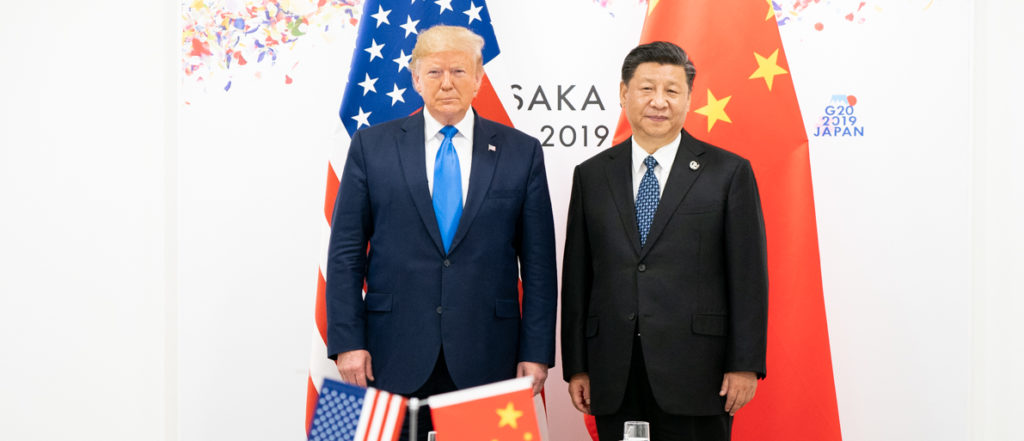
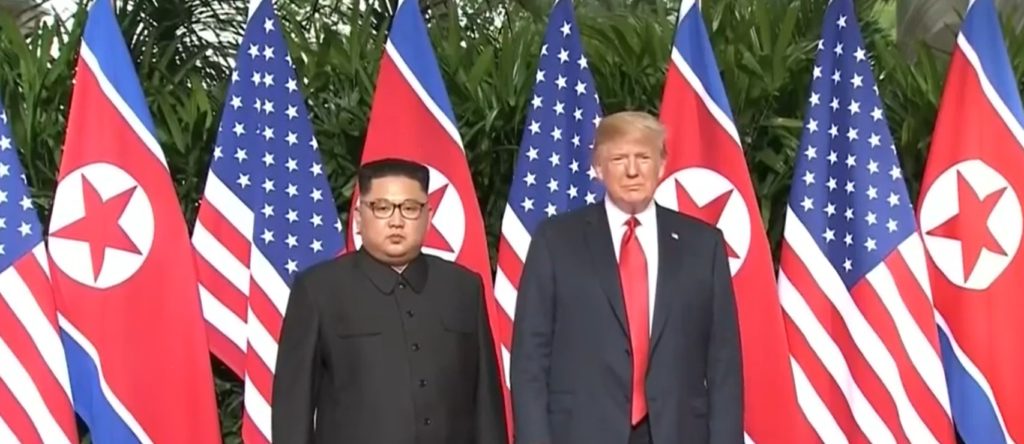
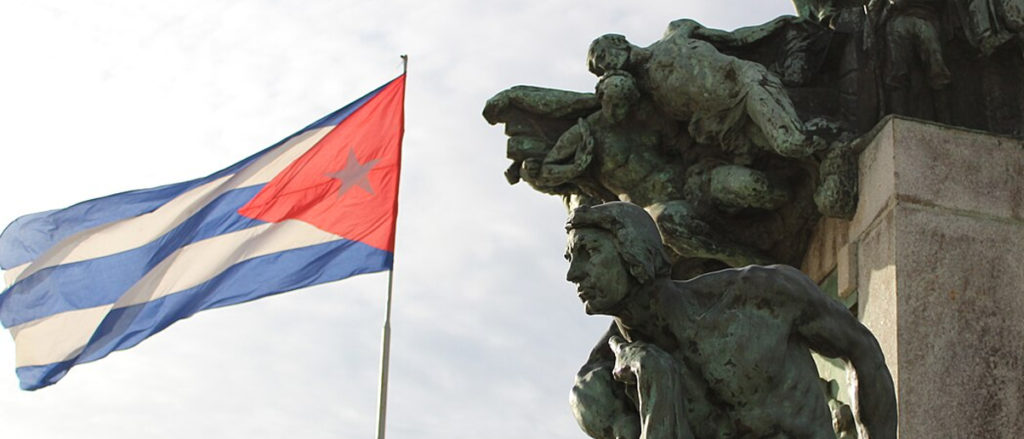
For much of the 20th century, more than one-third of the world's population lived under Communist governments. These were characterized by one-party rule, rejection of private property and capitalism, state control of economic activity and mass media, restrictions on freedom of religion, and suppression of opposition. With the dissolution of the Soviet Union in 1991, many governments abolished Communist rule. Only a few nominally Communist governments remain, such as China, Cuba, Laos, North Korea, and Vietnam. Except for North Korea, these have allowed more economic competition while maintaining one-party rule. Communism's decline has been attributed to economic inefficiency and to authoritarianism and bureaucracy within Communist governments.
Although the emergence of the Soviet Union as the first state based on Marxism–Leninism led to socialism becoming widely associated with the Soviet economic model, several scholars argue that in practice this model functioned as a form of state capitalism. Public memory of 20th-century Marxist-Leninist states has been described as a battleground between anti-communism and anti anti-communism. Authors have written about mass killings under communist regimes and mortality rates, which remain controversial, polarized, and debated topics in academia, historiography, and politics when discussing communism and the legacy of Marxist-Leninist states. From the 1990s, many Communist parties adopted democratic principles and came to share power with others in government, such as the CPN UML and the Nepal Communist Party, which support People's Multiparty Democracy in Nepal.
Contents
Etymology and terminology
Communism derives from the French word communisme, a combination of the Latin word communis (which literally means common) and the suffix ‑isme (an act, practice, or process of doing something). Semantically, communis can be translated to "of or for the community", while isme is a suffix that indicates the abstraction into a state, condition, action, or doctrine. Communism may be interpreted as "the state of being of or for the community"; this semantic constitution has led to numerous usages of the word in its evolution. Prior to becoming associated with its more modern conception of an economic and political organization, it was initially used to designate various social situations. After 1848, communism came to be primarily associated with Marxism, most specifically embodied in The Communist Manifesto, which proposed a particular type of communism.
One of the first uses of the word in its modern sense is in a letter sent by Victor d'Hupay to Nicolas Restif de la Bretonne around 1785, in which d'Hupay describes himself as an auteur communiste ("communist author"). In 1793, Restif first used communisme to describe a social order based on egalitarianism and the common ownership of property. Restif would go on to use the term frequently in his writing and was the first to describe communism as a form of government. John Goodwyn Barmby is credited with the first use of communism in English, around 1840.
Communism and socialism
Since the 1840s, the term communism has usually been distinguished from socialism. The modern definition and usage of the term socialism was settled by the 1860s, becoming predominant over alternative terms such as associationism (Fourierism), mutualism, or co-operative, which had previously been used as synonyms. Meanwhile, the term communism fell out of use during this period.
An early distinction between communism and socialism was that the latter aimed to only socialize production, whereas the former aimed to socialize both production and consumption (in the form of common access to final goods). This distinction can be observed in Marx's communism, where the distribution of products is based on the principle of "to each according to his needs", in contrast to a socialist principle of "to each according to his contribution". Socialism has been described as a philosophy seeking distributive justice, and communism as a subset of socialism that prefers economic equality as its form of distributive justice.
In 19th century Europe, the use of the terms communism and socialism eventually accorded with the cultural attitude of adherents and opponents towards religion. In European Christendom, communism was believed to be the atheist way of life. In Protestant England, communism was too phonetically similar to the Roman Catholic communion rite, hence English atheists denoted themselves socialists. Friedrich Engels stated that in 1848, at the time when The Communist Manifesto was first published, socialism was respectable on the continent, while communism was not; the Owenites in England and the Fourierists in France were considered respectable socialists, while working-class movements that "proclaimed the necessity of total social change" denoted themselves communists. This latter branch of socialism produced the communist work of Étienne Cabet in France and Wilhelm Weitling in Germany. While liberal democrats looked to the Revolutions of 1848 as a democratic revolution, which in the long run ensured liberty, equality, and fraternity, Marxists denounced 1848 as a betrayal of working-class ideals by a bourgeoisie indifferent to the legitimate demands of the proletariat.
By 1888, Marxists employed the term socialism in place of communism, which had come to be considered an old-fashioned synonym for the former. It was not until 1917, with the October Revolution, that socialism came to be used to refer to a distinct stage between capitalism and communism. This intermediate stage was a concept introduced by Vladimir Lenin as a means to defend the Bolshevik seizure of power against traditional Marxist criticism that Russia's productive forces were not sufficiently developed for socialist revolution. A distinction between communist and socialist as descriptors of political ideologies arose in 1918 after the Russian Social Democratic Labour Party renamed itself as the Communist Party of the Soviet Union, which resulted in the adjective Communist being used to refer to socialists who supported the politics and theories of Bolshevism, Leninism, and later in the 1920s those of Marxism–Leninism. In spite of this common usage, Communist parties also continued to describe themselves as socialists dedicated to socialism.
Associated usage and Communist states
In the United States, communism is widely used as a pejorative term as part of a Red Scare, much like socialism, and mainly in reference to authoritarian socialism and Communist states. The emergence of the Soviet Union as the world's first Communist state led to the term's widespread association with Marxism–Leninist and the Soviet-type economic planning model. In his essay "Judging Nazism and Communism", Martin Malia defines a "generic Communism" category as any Communist political party movement led by intellectuals; this umbrella term allows grouping together such different regimes as radical Soviet industrialism and the Khmer Rouge's anti-urbanism. According to Alexander Dallin, the idea to group together different countries, such as Afghanistan and Hungary, has no adequate explanation.
While the term Communist state is used by Western historians, political scientists, and news media to refer to countries ruled by Communist parties, these socialist states themselves did not describe themselves as communist or claim to have achieved communism; they referred to themselves as being a socialist state that is in the process of constructing communism. Terms used by Communist states include national-democratic, people's democratic, socialist-oriented, and workers and peasants' states.
History
Early communism
According to Richard Pipes, the idea of a classless, egalitarian society first emerged in ancient Greece. Since the 20th century, ancient Rome has been examined in this context, as well as thinkers such as Aristotle, Cicero, Demosthenes, Plato, and Tacitus. Plato, in particular, has been considered as a possible communist or socialist theorist, or as the first author to give communism a serious consideration. The 5th-century Mazdak movement in Persia (modern-day Iran) has been described as communistic for challenging the enormous privileges of the noble classes and the clergy, criticizing the institution of private property, and striving to create an egalitarian society. At one time or another, various small communist communities existed, generally under the inspiration of religious text.
In the medieval Christian Church, some monastic communities and religious orders shared their land and their other property. Sects deemed heretical such as the Waldensians preached an early form of Christian communism. As summarized by historians Janzen Rod and Max Stanton, the Hutterites believed in strict adherence to biblical principles, church discipline, and practised a form of communism. In their words, the Hutterites "established in their communities a rigorous system of Ordnungen, which were codes of rules and regulations that governed all aspects of life and ensured a unified perspective. As an economic system, communism was attractive to many of the peasants who supported social revolution in sixteenth century central Europe." This link was highlighted in one of Marx's early writings; Marx stated that "[a]s Christ is the intermediary unto whom man unburdens all his divinity, all his religious bonds, so the state is the mediator unto which he transfers all his Godlessness, all his human liberty." Thomas Müntzer led a large Anabaptist communist movement during the German Peasants' War, which Friedrich Engels analyzed in his 1850 work The Peasant War in Germany. The Marxist communist ethos that aims for unity reflects the Christian universalist teaching that humankind is one and that there is only one god who does not discriminate among people.
Communist thought has also been traced back to the works of the 16th-century English writer Thomas More. In his 1516 treatise titled Utopia, More portrayed a society based on common ownership of property, whose rulers administered it through the application of reason and virtue. Marxist communist theoretician Karl Kautsky, who popularized Marxist communism in Western Europe more than any other thinker apart from Engels, published Thomas More and His Utopia, a work about More, whose ideas could be regarded as "the foregleam of Modern Socialism" according to Kautsky. During the October Revolution in Russia, Vladimir Lenin suggested that a monument be dedicated to More, alongside other important Western thinkers.
Revolutionary wave of 1917–1923
In 1917, long-standing political, social, and economic issues fueled revolutionary sentiment in Russian Empire, which was still embroiled in World War I at the time. The February Revolution overthrew the Russian Empire, and the Russian Provisional Government, which was dominated by liberals, particularly the Constitutional Democratic Party, and included some moderate socialists, came to power. Meanwhile, socialist intellectuals, soldiers, and workers in Petrograd organized the Petrograd Soviet, creating a situation of "dual power." The Provisional Government gained a notorious reputation for its inclination to continue participating in World War I, which led to a rise in popularity for various socialist parties. Russian socialists included the Russian Socialist Revolutionary Party, as well as the Mensheviks and Bolsheviks, both of which had split from the Russian Social Democratic Labor Party. The following October Revolution in Russia set the conditions for the rise to state power of Vladimir Lenin's Bolsheviks, which was the first time any avowedly communist party reached that position. The October Revolution transferred power to the All-Russian Congress of Soviets in which the Bolsheviks had a majority. The Bolsheviks' successful rise to power was based upon the slogans such as "Peace, Bread, and Land", which tapped into the massive public desire for an end to Russian involvement in World War I, the peasants' demand for land reform, and popular support for the soviets.
After the October Revolution toppled the Russian Provisional Government, the Bolsheviks moved to hand power to the Second All-Russian Congress of Soviets of Workers' and Soldiers' Deputies in the October Revolution; after a few weeks of deliberation, the Left Socialist-Revolutionaries formed a coalition government with the Bolsheviks from November 1917 to July 1918, while the right-wing faction of the Socialist Revolutionary Party boycotted the soviets and denounced the October Revolution as an illegal coup. In the 1917 Russian Constituent Assembly election, socialist parties totaled well over 70% of the vote. The Bolsheviks were winners in the urban centres, and took around two-thirds of the votes of soldiers on the Western Front, obtaining 23.3% of the vote; the Socialist Revolutionaries finished first on the strength of support from the country's rural peasantry, obtaining 37.6%, while the Ukrainian Socialist Bloc finished a third at 12.7%, and the Mensheviks obtained 3.0% of the vote. Most of the Socialist Revolutionary Party's seats went to the right-wing faction. Citing outdated voter-rolls, which did not acknowledge the party split, and the assembly's conflicts with the Congress of Soviets, the Bolshevik–Left Socialist-Revolutionaries government moved to dissolve the Constituent Assembly in January 1918. The Draft Decree on the Dissolution of the Constituent Assembly was issued by the All-Russian Central Executive Committee, a committee dominated by Lenin, who had previously supported a multi-party system of free elections. Some argued this was the beginning of the development of vanguardism as an hierarchical party–elite that controls society, which resulted in a split between anarchism and Marxism, and Leninist communism assuming the dominant position for most of the 20th century, excluding rival socialist currents. A series of decrees were signed and policies were implemented: land owned by the church, the nobility, and the royal family was redistributed to the peasants, but the peasants were also required to surrender surplus grain beyond their basic needs (Prodrazverstka); the Bolsheviks called for an immediate ceasefire among the belligerents in World War I; workers were given greater control over factories; and the Bolsheviks were now able to shut down newspapers opposed to the new revolutionary government, while the All-Russian Extraordinary Commission (Cheka) was established as a secret police force. Lenin officially changed the party's name to the Communist Party in March 1918.
Communist states
In 1922, the Russian Soviet Federative Socialist Republic, the Ukrainian Soviet Socialist Republic, the Byelorussian Soviet Socialist Republic, and the Transcaucasian Socialist Federative Soviet Republic joined together to form the Union of Soviet Socialist Republics, commonly known as the USSR or the Soviet Union. Before the broad ban in 1921, there were several factions in the Communist party, more prominently among them the Left Opposition, the Right Opposition, and the Workers' Opposition, which debated on the path of development to follow. The Left and Workers' oppositions were more critical of the state-capitalist development and the Workers' in particular was critical of bureaucratization and development from above, while the Right Opposition was more supporting of state-capitalist development and advocated the New Economic Policy. Following Lenin's democratic centralism, the Leninist parties were organized on a hierarchical basis, with active cells of members as the broad base. They were made up only of elite cadres approved by higher members of the party as being reliable and completely subject to party discipline. Trotskyism overtook the left communists as the main dissident communist current, while more libertarian communisms, dating back to the libertarian Marxist current of council communism, remained important dissident communisms outside the Soviet Union. The Great Purge of 1936–1938 was Joseph Stalin's attempt to destroy any possible opposition within the Communist Party of the Soviet Union. In the Moscow trials, many old Bolsheviks who had played prominent roles during the Russian Revolution or in Lenin's Soviet government afterwards, including Lev Kamenev, Grigory Zinoviev, Alexei Rykov, and Nikolai Bukharin, were accused, pleaded guilty of conspiracy against the Soviet Union, and were executed.
The devastation of World War II resulted in a massive recovery program involving the rebuilding of industrial plants, housing, and transportation as well as the demobilization and migration of millions of soldiers and civilians. In the midst of this turmoil during the winter of 1946–1947, the Soviet Union experienced the worst natural famine in over fifty years. There was no serious opposition to Stalin as the secret police continued to send possible suspects to the gulag. Relations with the United States and Britain went from friendly to hostile, as they denounced Stalin's political controls over eastern Europe and his Berlin Blockade. By 1947, the Cold War had begun. Stalin himself believed that capitalism was a hollow shell and would crumble under increased non-military pressure exerted through proxies in countries like Italy. He greatly underestimated the economic strength of the West and instead of triumph saw the West build up alliances that were designed to permanently stop or contain Soviet expansion. In early 1950, Stalin gave the go-ahead for North Korea's invasion of South Korea, expecting a short war. He was stunned when the Americans entered and defeated the North Koreans, putting them almost on the Soviet border. Stalin supported China's entry into the Korean War, which drove the Americans back to the prewar boundaries, but which escalated tensions. The United States decided to mobilize its economy for a long contest with the Soviets, built the hydrogen bomb, and strengthened the NATO alliance that covered Western Europe.
Cold War
Its leading role in World War II saw the emergence of the industrialized Soviet Union as a superpower. Marxist–Leninist governments modeled on the Soviet Union took power with Soviet assistance in Bulgaria, Czechoslovakia, East Germany, Poland, Hungary, and Romania. A Marxist–Leninist government was also created under Josip Broz Tito in Yugoslavia; Tito's independent policies led to the Tito–Stalin split and expulsion of Yugoslavia from the Cominform in 1948, and Titoism was branded deviationist. Albania also became an independent Marxist–Leninist state following the Albanian–Soviet split in 1960, resulting from an ideological fallout between Enver Hoxha, a Stalinist, and the Soviet government of Nikita Khrushchev, who enacted a period of de-Stalinization and re-approached diplomatic relations with Yugoslavia in 1976. The Communist Party of China, led by Mao Zedong, established the People's Republic of China, which would follow its own ideological path of development following the Sino-Soviet split. Communism was seen as a rival of and a threat to Western capitalism for most of the 20th century.
In Western Europe, communist parties were part of several post-war governments, and even when the Cold War forced many of those countries to remove them from government, such as in Italy, they remained part of the liberal-democratic process. There were also many developments in libertarian Marxism, especially during the 1960s with the New Left. By the 1960s and 1970s, many Western communist parties had criticized many of the actions of communist states, distanced from them, and developed a democratic road to socialism, which became known as Eurocommunism. This development was criticized by more orthodox supporters of the Soviet Union as amounting to social democracy.
Since 1957, communists have been frequently voted into power in the Indian state of Kerala.
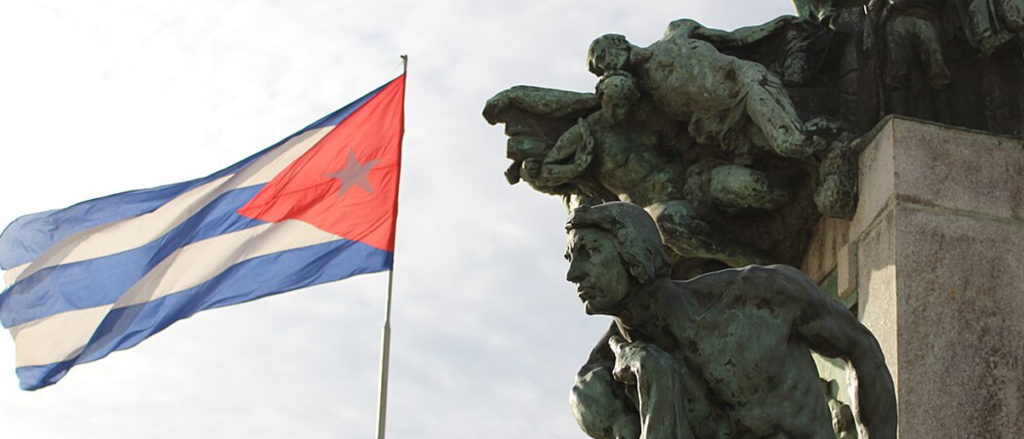
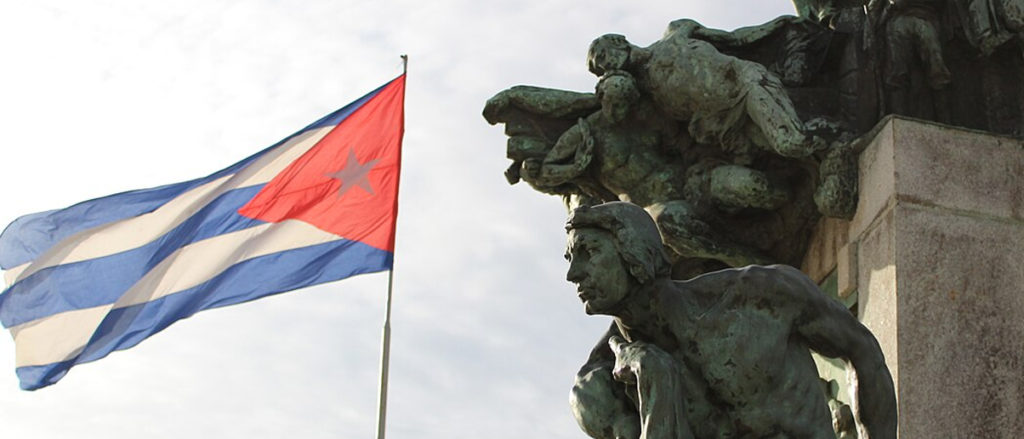
In 1959, Cuban revolutionaries overthrew Cuba's previous government under the dictator Fulgencio Batista. While the revolutionaries were originally not uniformly communist, after their military victory, the new rebel officials underwent a sort of radicalization alongside their political consolidation, that pushed the new government to eventually become Marxist-Leninist.
Dissolution of the Soviet Union
With the fall of the Warsaw Pact after the Revolutions of 1989, which led to the fall of most of the former Eastern Bloc, the Soviet Union was dissolved on 26 December 1991. It was a result of the declaration number 142-Н of the Soviet of the Republics of the Supreme Soviet of the Soviet Union. The declaration acknowledged the independence of the former Soviet republics and created the Commonwealth of Independent States, although five of the signatories ratified it much later or did not do it at all. On the previous day, Soviet president Mikhail Gorbachev (the eighth and final leader of the Soviet Union) resigned, declared his office extinct, and handed over its powers, including control of the Cheget, to Russian president Boris Yeltsin. That evening at 7:32, the Soviet flag was lowered from the Kremlin for the last time and replaced with the pre-revolutionary Russian flag. Previously, from August to December 1991, all the individual republics, including Russia itself, had seceded from the union. The week before the union's formal dissolution, eleven republics signed the Alma-Ata Protocol, formally establishing the Commonwealth of Independent States, and declared that the Soviet Union had ceased to exist.
Post-Soviet communism
As of 2026, states controlled by Communist parties under a single-party system include the People's Republic of China, the Republic of Cuba, the Democratic People's Republic of Korea, the Lao People's Democratic Republic, and the Socialist Republic of Vietnam. Communist parties, or their descendant parties, remain politically important in several other countries. With the dissolution of the Soviet Union and the Fall of Communism, there was a split between those hardline Communists, sometimes referred to in the media as neo-Stalinists, who remained committed to orthodox Marxism–Leninism, and those, such as The Left in Germany, who work within the liberal-democratic process for a democratic road to socialism; other ruling Communist parties became closer to democratic socialist and social democratic parties. Outside Communist states, reformed Communist parties have led or been part of left-leaning government or regional coalitions, including in the former Eastern Bloc. In Nepal, Communists (CPN UML and Nepal Communist Party) were part of the 1st Nepalese Constituent Assembly, which abolished the monarchy in 2008 and turned the country into a federal liberal-democratic republic, and have democratically shared power with other communists, Marxist–Leninists, and Maoists (CPN Maoist), social democrats (Nepali Congress), and others as part of their People's Multiparty Democracy. Communist parties are represented in governing coalitions in Brazil (Communist Party of Brazil in Brazil of Hope) and Uruguay (Communist Party of Uruguay in Broad Front). Other communist parties with notable democartic support include the Progressive Party of the Working People in Cyprus with 22.3% of the popular vote in the 2026 election. The Communist Party of the Russian Federation has some supporters, but is reformist rather than revolutionary, aiming to lessen the inequalities of Russia's market economy.
In China, the reform and opening up was started in 1978 under the leadership of Deng Xiaoping, and since then China has managed to bring down the poverty rate from 53% in the Mao era to just 8% in 2001. After losing Soviet subsidies and support, Vietnam and Cuba have attracted more foreign investment to their countries, with their economies becoming more market-oriented. North Korea, the last Communist country that still practices Soviet-style Communism, is both repressive and isolationist.
Following the Maoist tactic of protracted people's wars, several communist militias have staged ongoing armed rebellions against their governments. The Shining Path of Peru launched its people's war in 1980, but after the capture of Abimael Guzmán in 1992 has declined in activity. Remnants of the organisation are still active in the VRAEM region.
Theory
Communist political thought and theory are diverse but share several core elements. The dominant forms of communism are based on Marxism or Leninism but non-Marxist versions of communism also exist, such as anarcho-communism and Christian communism, which remain partly influenced by Marxist theories, such as libertarian Marxism and humanist Marxism in particular. Common elements include being theoretical rather than ideological, identifying political parties not by ideology but by class and economic interest, and identifying with the proletariat. According to communists, the proletariat can avoid mass unemployment only if capitalism is overthrown; in the short run, state-oriented communists favor state ownership of the commanding heights of the economy as a means to defend the proletariat from capitalist pressure. Some communists are distinguished by other Marxists in seeing peasants and smallholders of property as possible allies in their goal of shortening the abolition of capitalism.
For Leninist communism, such goals, including short-term proletarian interests to improve their political and material conditions, can only be achieved through vanguardism, an elitist form of socialism from above that relies on theoretical analysis to identify proletarian interests rather than consulting the proletarians themselves, as is advocated by libertarian communists. When they engage in elections, Leninist communists' main task is that of educating voters in what are deemed their true interests rather than in response to the expression of interest by voters themselves. When they have gained control of the state, Leninist communists' main task was preventing other political parties from deceiving the proletariat, such as by running their own independent candidates. This vanguardist approach comes from their commitments to democratic centralism in which communists can only be cadres, i.e. members of the party who are full-time professional revolutionaries, as was conceived by Vladimir Lenin.
Marxist communism
Marxism is a method of socioeconomic analysis that uses a materialist interpretation of historical development, better known as historical materialism, to understand social class relations and social conflict and a dialectical perspective to view social transformation. It originates from the works of 19th-century German philosophers Karl Marx and Friedrich Engels. As Marxism has developed over time into various branches and schools of thought, no single, definitive Marxist theory exists. Marxism considers itself to be the embodiment of scientific socialism but does not model an ideal society based on the design of intellectuals, whereby communism is seen as a state of affairs to be established based on any intelligent design; rather, it is a non-idealist attempt at the understanding of material history and society, whereby communism is the expression of a real movement, with parameters that are derived from actual life.
According to Marxist theory, class conflict arises in capitalist societies due to contradictions between the material interests of the oppressed and exploited proletariat – a class of wage laborers employed to produce goods and services – and the bourgeoisie – the ruling class that owns the means of production and extracts its wealth through appropriation of the surplus product produced by the proletariat in the form of profit. This class struggle that is commonly expressed as the revolt of a society's productive forces against its relations of production, results in a period of short-term crises as the bourgeoisie struggle to manage the intensifying alienation of labor experienced by the proletariat, albeit with varying degrees of class consciousness. In periods of deep crisis, the resistance of the oppressed can culminate in a proletarian revolution which, if victorious, leads to the establishment of the socialist mode of production based on social ownership of the means of production, "To each according to his contribution", and production for use. As the productive forces continued to advance, the communist society, i.e. a classless, stateless, humane society based on common ownership, follows the maxim "From each according to his ability, to each according to his needs."
While it originates from the works of Marx and Engels, Marxism has developed into many different branches and schools of thought, with the result that there is now no single definitive Marxist theory. Different Marxian schools place a greater emphasis on certain aspects of classical Marxism while rejecting or modifying other aspects. Many schools of thought have sought to combine Marxian concepts and non-Marxian concepts, which has then led to contradictory conclusions. There is a movement toward the recognition that historical materialism and dialectical materialism remain the fundamental aspects of all Marxist schools of thought. Marxism–Leninism and its offshoots are the most well-known of these and have been a driving force in international relations during most of the 20th century.
Leninist communism
Leninism is a political ideology developed by Russian Marxist revolutionary Vladimir Lenin that proposes the establishment of the dictatorship of the proletariat, led by a revolutionary vanguard party, as the political prelude to the establishment of communism. The function of the Leninist vanguard party is to provide the working classes with the political consciousness (education and organisation) and revolutionary leadership necessary to depose capitalism in the Russian Empire (1721–1917).
Leninist revolutionary leadership is based upon The Communist Manifesto (1848), identifying the Communist party as "the most advanced and resolute section of the working class parties of every country; that section which pushes forward all others." As the vanguard party, the Bolsheviks viewed history through the theoretical framework of dialectical materialism, which sanctioned political commitment to the successful overthrow of capitalism, and then to instituting socialism; and as the revolutionary national government, to realize the socio-economic transition by all means.
Marxism–Leninism is a political ideology developed by Joseph Stalin. According to its proponents, it is based on Marxism and Leninism. It describes the specific political ideology which Stalin implemented in the Communist Party of the Soviet Union and in a global scale in the Comintern. There is no definite agreement between historians about whether Stalin actually followed the principles of Marx and Lenin. It also contains aspects which according to some are deviations from Marxism such as socialism in one country. Marxism–Leninism was the official ideology of 20th-century Communist parties (including Trotskyist), and was developed after the death of Lenin; its three principles were dialectical materialism, the leading role of the Communist party through democratic centralism, and a planned economy with industrialization and agricultural collectivization. Marxism–Leninism is misleading because Marx and Lenin never sanctioned or supported the creation of an -ism after them, and is revealing because, being popularized after Lenin's death by Stalin, it contained those three doctrinal and institutionalized principles that became a model for later Soviet-type regimes; its global influence, having at its height covered at least one-third of the world's population, has made Marxist–Leninist a convenient label for the Communist bloc as a dynamic ideological order.
During the Cold War, Marxism–Leninism was the ideology of the most clearly visible communist movement and is the most prominent ideology associated with communism. Social fascism was a theory supported by the Comintern and affiliated Communist parties during the early 1930s, which held that social democracy was a variant of fascism because it stood in the way of a dictatorship of the proletariat, in addition to a supposedly shared corporatist economic model. At the time, leaders of the Comintern, such as Stalin and Rajani Palme Dutt, stated that capitalist society had entered the Third Period in which a proletariat revolution was imminent but could be prevented by social democrats and other fascist forces. The term social fascist was used pejoratively to describe social-democratic parties, anti-Comintern and progressive socialist parties and dissenters within Comintern affiliates throughout the interwar period. The social fascism theory was advocated vociferously by the Communist Party of Germany, which was largely controlled and funded by the Soviet leadership from 1928.
Libertarian Marxist communism
Libertarian Marxism is a broad range of economic and political philosophies that emphasize the anti-authoritarian aspects of Marxism. Early currents of libertarian Marxism, known as left communism, emerged in opposition to Marxism–Leninism and its derivatives such as Stalinism and Maoism, as well as Trotskyism. Libertarian Marxism is also critical of reformist positions such as those held by social democrats. Libertarian Marxist currents often draw from Marx and Engels' later works, specifically the Grundrisse and The Civil War in France, emphasizing the Marxist belief in the ability of the working class to forge its own destiny without the need for a revolutionary party or state to mediate or aid its liberation. Along with anarchism, libertarian Marxism is one of the main derivatives of libertarian socialism.
Aside from left communism, libertarian Marxism includes such currents as autonomism, communization, council communism, De Leonism, the Johnson–Forest Tendency, Lettrism, Luxemburgism, Situationism, Socialisme ou Barbarie, Solidarity, the World Socialist Movement, and workerism, as well as parts of Freudo-Marxism, and the New Left. Libertarian Marxism has often had a strong influence on both post-left and social anarchists. Notable theorists of libertarian Marxism have included Anton Pannekoek, Raya Dunayevskaya, Cornelius Castoriadis, Maurice Brinton, Daniel Guérin, and Yanis Varoufakis, the latter of whom claims that Marx himself was a libertarian Marxist.
Council communism is a movement that originated from Germany and the Netherlands in the 1920s, whose primary organization was the Communist Workers' Party of Germany. It continues today as a theoretical and activist position within both libertarian Marxism and libertarian socialism. The core principle of council communism is that the government and the economy should be managed by workers' councils, which are composed of delegates elected at workplaces and recallable at any moment. Council communists oppose the perceived authoritarian and undemocratic nature of central planning and of state socialism, labelled state capitalism, and the idea of a revolutionary party, since council communists believe that a revolution led by a party would necessarily produce a party dictatorship. Council communists support a workers' democracy, produced through a federation of workers' councils.
In contrast to those of social democracy and Leninist communism, the central argument of council communism is that democratic workers' councils arising in the factories and municipalities are the natural forms of working-class organizations and governmental power. This view is opposed to both the reformist and the Leninist communist ideologies, which respectively stress parliamentary and institutional government by applying social reforms on the one hand, and vanguard parties and participative democratic centralism on the other.
Other types of communism
Anarcho-communism is a libertarian theory of anarchism and communism which advocates the abolition of the state, private property, and capitalism in favor of common ownership of the means of production; direct democracy; and a horizontal network of voluntary associations and workers' councils with production and consumption based on the guiding principle, "From each according to his ability, to each according to his need". Anarcho-communism differs from Marxism in that it rejects its view about the need for a state socialism phase prior to establishing communism. Peter Kropotkin, the main theorist of anarcho-communism, stated that a revolutionary society should "transform itself immediately into a communist society", that it should go immediately into what Marx had regarded as the "more advanced, completed, phase of communism". In this way, it tries to avoid the reappearance of class divisions and the need for a state to be in control.
Some forms of anarcho-communism, such as insurrectionary anarchism, are egoist and strongly influenced by radical individualism, believing that anarchist communism does not require a communitarian nature at all. Most anarcho-communists view anarchist communism as a way of reconciling the opposition between the individual and society.
Christian communism is a theological and political theory based upon the view that the teachings of Jesus Christ compel Christians to support religious communism as the ideal social system. Although there is no universal agreement on the exact dates when communistic ideas and practices in Christianity began, many Christian communists state that evidence from the Bible suggests that the first Christians, including the Apostles in the New Testament, established their own small communist society in the years following Jesus' death and resurrection.
Many advocates of Christian communism state that it was taught by Jesus and practiced by the apostles themselves, an argument that historians and others, including anthropologist Roman A. Montero, scholars like Ernest Renan, and theologians like Charles Ellicott and Donald Guthrie, generally agree with. Christian communism enjoys some support in Russia. Russian musician Yegor Letov was an outspoken Christian communist, and in a 1995 interview he was quoted as saying: "Communism is the Kingdom of God on Earth."
Analysis
Achievements of the Soviet planned economies
In the officially sanctioned textbooks describing the socialist planned economies as they existed in the 1980s, it was claimed as follows:
Class and national oppression had been totally eradicated.
Unemployment, hunger, poverty, illiteracy and uncertainty about the future had been eliminated.
Every citizen had a guaranteed right to work, rest, education, health care, abode and security in old age and maintenance in the event of disability.
Material standards of living were rising steadily and everyone had free access to knowledge and to the values of world and national culture.
Every citizen had a right in practice to take part in discussing and solving any problems in the life of the enterprise, region, republic and the country they lived in, including the rights to free speech, of assembly and to demonstrate.
Data collected by the United Nations of indicators of human development in the early 1990s show that a lower level of social development was achieved in the former socialist planned economies of Central and Eastern Europe and the Commonwealth of Independent States (CEE/CIS) compared with countries of the Organization for Economic Cooperation and Development (OECD). Life expectancy in the CEE/CIS area in the period 1985–1990 was 68 years, while for the countries of the OECD it was 75 years. Infant mortality in the CEE/CIS area was 25 for every 1,000 live births in 1990, compared to 13 in the OECD area. In terms of education, the two areas enjoyed universal adult literacy and full enrollment of children in primary and secondary schools. For tertiary education, the CEE/CIS had 2,600 university students per 100,000 population, while in the OECD the comparable figure was 3,550 students. Overall enrollment at primary, secondary and tertiary levels was 75 percent in the CEE/CIS region and 82 percent in the OECD countries.
The Soviet Union placed great emphasis on science and technology. Lenin believed the USSR would never overtake the developed world if it remained as technologically backward as it was upon its founding. Soviet authorities proved their commitment to Lenin's belief by developing massive networks and research and development organizations. In the early 1960s, 40% of chemistry PhDs in the Soviet Union were attained by women, compared with only 5% in the United States. By 1989, Soviet scientists were among the world's best-trained specialists in several areas, such as energy physics, selected areas of medicine, mathematics, welding, space technology, and military technologies. However, due to rigid state planning and bureaucracy, the Soviets remained far behind the First World in chemistry, biology, and computer science. Under Stalin, the Soviet government persecuted geneticists in favour of Lysenkoism, a pseudoscience rejected by the scientific community in the Soviet Union and abroad but supported by Stalin's inner circles. Implemented in the USSR and China, it resulted in reduced crop yields and is widely believed to have contributed to the Great Chinese Famine. In the 1980s, the Soviet Union had more scientists and engineers relative to the world's population than any other major country, owing to strong levels of state support. Some of its most remarkable technological achievements, such as launching the world's first space satellite, were achieved through military research.
Economic problems of the Soviet planned economies
From the 1960s onwards, CMEA countries, beginning with East Germany, attempted "intensive" growth strategies, aiming to raise the productivity of labour and capital. However, in practice this meant that investment was shifted towards new branches of industry, including the electronics, computing, automotive and nuclear power sectors, leaving the traditional heavy industries dependent upon older technologies. Despite the rhetoric about modernization, innovation remained weak as enterprise managers preferred routine production that was easier to plan and brought them predictable bonuses. Embargoes on high technology exports organized through the US-supported CoCom arrangement hampered technology transfer. Enterprise managers also ignored inducements to introduce labour-saving measures as they wished to retain a reserve of personnel to be available to meet their production target by working at top speed when supplies were delayed.
Under conditions of "taut planning", the economy was expected to produce a volume of output higher than the reported capacity of enterprises and there was no "slack" in the system. Enterprises faced a resource constraint and hoarded labour and other inputs and avoided sub-contracting intermediate production activities, preferring to retain the work in-house. The enterprise, according to the theory promulgated by János Kornai, was constrained by its resources not by the demand for its goods and services; nor was it constrained by its finances since the government was not likely to shut it down if it failed to meet its financial targets. Enterprises in socialist planned economies operated within a "soft" budget constraint, unlike enterprises in capitalist market economies which are demand-constrained and operate within "hard" budget constraints, as they face bankruptcy if their costs exceed their sales. As all producers were working in a resource-constrained economy they were perpetually in short supply and the shortages could never be eliminated, leading to chronic disruption of production schedules. The effect of this was to preserve a high level of employment.
As the supply of consumer goods failed to match rising incomes (because workers still received their pay even if they were not fully productive), household savings accumulated, indicating, in the official terminology, "postponed demand". Western economists called this "monetary overhang" or "repressed inflation". Prices on the black market were several times higher than in the official price-controlled outlets, reflecting the scarcity and possible illegality of the sale of these items. Therefore, although consumer welfare was reduced by shortages, the prices households paid for their regular consumption were lower than would have been the case had prices been set at market-clearing levels.
Reception
Emily Morris from University College London wrote that because Karl Marx's writings have inspired many movements, including the Russian Revolution of 1917, communism is "commonly confused with the political and economic system that developed in the Soviet Union" after the revolution. Historian Andrzej Paczkowski summarized communism as "an ideology that seemed clearly the opposite, that was based on the secular desire of humanity to achieve equality and social justice, and that promised a great leap forward into freedom." In contrast, Austrian-American economist Ludwig von Mises argued that by abolishing free markets, communist officials would not have the price system necessary to guide their planned production.
Anti-communism developed as soon as communism became a conscious political movement in the 19th century, and anti-communist mass killings have been reported against alleged communists, or their alleged supporters, which were committed by anti-communists and political organizations or governments opposed to communism. The communist movement has faced opposition since it was founded and the opposition to it has often been organized and violent. Many of these anti-communist mass killing campaigns, primarily during the Cold War, were supported by the United States and its Western Bloc allies, including those who were formally part of the Non-Aligned Movement, such as the Indonesian mass killings of 1965–66, the Guatemalan genocide and Operation Condor in South America.
Excess mortality in Communist states
Many authors have written about excess deaths under Communist states and mortality rates, such as excess mortality in the Soviet Union under Joseph Stalin. Some authors posit that there is a Communist death toll, whose death estimates vary widely, depending on the definitions of the deaths that are included in them, ranging from lows of 10–20 million to highs over 100 million. The higher estimates have been criticized by several scholars as ideologically motivated and inflated; they are also criticized for being inaccurate due to incomplete data, inflated by counting any excess death, making an unwarranted link to communism, and the grouping and body-counting itself. Higher estimates account for actions that Communist governments committed against civilians, including executions, human-made famines, and deaths that occurred during, or resulted from, imprisonment, and forced deportations and labor. Higher estimates are criticized for being based on sparse and incomplete data when significant errors are inevitable, and for being skewed to higher possible values. Others have argued that, while certain estimates may not be accurate, "quibbling about numbers is unseemly. What matters is that many, many people were killed by communist regimes." Historian Mark Bradley wrote that while the exact numbers have been in dispute, the order of magnitude is not.
There is no consensus among genocide scholars and scholars of Communism about whether some or all the events constituted a genocide or mass killing. Among genocide scholars, there is no consensus on a common terminology, and the events have been variously referred to as excess mortality or mass deaths; other terms used to define some of such killings include classicide, crimes against humanity, democide, genocide, politicide, holocaust, mass killing, and repression. These scholars state that most Communist states did not engage in mass killings; Benjamin Valentino proposes the category of Communist mass killing, alongside colonial, counter-guerrilla, and ethnic mass killing, as a subtype of dispossessive mass killing to distinguish it from coercive mass killing. Genocide scholars do not consider ideology, or regime-type, as an important factor that explains mass killings. Some authors, such as John Gray, Daniel Goldhagen, and Richard Pipes, consider the ideology of communism to be a significant causative factor in mass killings. Some connect killings in Joseph Stalin's Soviet Union, Mao Zedong's China, and Pol Pot's Cambodia on the basis that Stalin influenced Mao, who influenced Pol Pot; in all cases, scholars say killings were carried out as part of a policy of an unbalanced modernization process of rapid industrialization. Daniel Goldhagen argues that 20th century communist regimes "have killed more people than any other regime type."
Memory and legacy
Criticism of communism can be divided into two broad categories, namely that criticism of Communist party rule that concerns with the practical aspects of 20th-century Communist states, and criticism of Marxism and communism generally that concerns its principles and theory. Public memory of 20th-century Communist states has been described as a battleground between the communist-sympathetic or anti-anti-communist political left and the anti-communism of the political right. Critics of communism on the political right point to the excess deaths under Communist states as an indictment of communism as an ideology. Defenders of communism on the political left say that the deaths were caused by specific authoritarian regimes and not communism as an ideology, while also pointing to anti-communist mass killings and deaths in wars that they argue were caused by capitalism and anti-communism as a counterpoint to the deaths under Communist states.
According to Hungarian sociologist and politician András Bozóki, positive aspects of communist countries included support for social mobility and equality, the elimination of illiteracy, urbanization, more accessible healthcare and housing, regional mobility with public transportation, the elimination of semi-feudal hierarchies, more women entering the labor market, and free access to higher education. Negative aspects of communist countries, on the other hand according to Bozóki included the suppression of freedom, the loss of trust in civil society; a culture of fear and corruption; reduced international travel; dependency on the party and state; Central Europe becoming a satellite of the Soviet Union; the creation of closed societies, leading to xenophobia, racism, prejudice, cynicism and pessimism; women only being emancipated in the workforce; the oppression of national identity; and relativist ethical societal standards.
Memory studies have been done on how the events are memorized. According to Kristen R. Ghodsee and Scott Sehon, on the political left, there are "those with some sympathy for socialist ideals and the popular opinion of hundreds of millions of Russian and east European citizens nostalgic for their state socialist pasts.", while on the political right, there are "the committed anti-totalitarians, both east and west, insisting that all experiments with Marxism will always and inevitably end with the gulag." The "victims of Communism" concept, has become accepted scholarship, as part of the double genocide theory, in Eastern Europe and among anti-communists in general; it is rejected by some Western European and other scholars, especially when it is used to equate Communism and Nazism, which is seen by scholars as a long-discredited perspective. The narrative posits that famines and mass deaths by Communist states can be attributed to a single cause and that communism, as "the deadliest ideology in history", or in the words of Jonathan Rauch as "the deadliest fantasy in human history", represents the greatest threat to humanity. Proponents posit an alleged link between communism, left-wing politics, and socialism with genocide, mass killing, and totalitarianism.
