
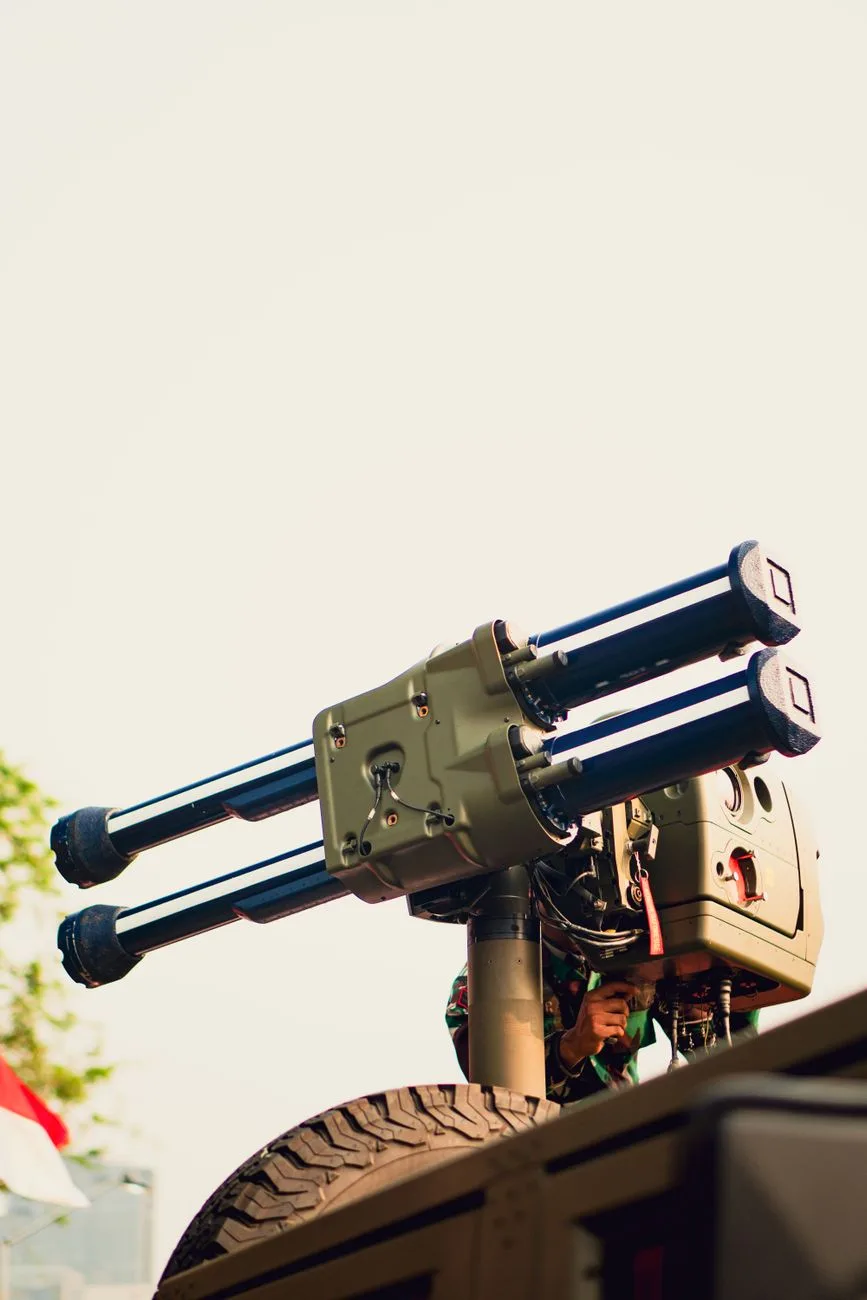
128 nations adopt nonbinding autonomous weapons framework as treaty calls continue
128 states party to the Convention on Certain Conventional Weapons agreed on a non-binding framework to regulate or ban autonomous weapons, signaling a milestone after a decade of talks and potentially paving the way for future international rules. Critics say the final text dilutes crucial definitions and protections, with the United States and Russia pushing for national guidelines over binding standards ahead of the November conference.
World · 5 sources · Sep 9, 2026Read itThe journal
Open the journal →The conversation starts in the journal — be the first to post.
About Convention on Certain Conventional Weapons
The United Nations Convention on Certain Conventional Weapons, concluded at Geneva on October 10, 1980, and entered into force in December 1983, seeks to prohibit or restrict the use of certain conventional weapons which are considered excessively injurious or whose effects are indiscriminate. The full title of the treaty is "Convention on Prohibitions or Restrictions on the Use of Certain Conventional Weapons Which May Be Deemed to Be Excessively Injurious or to Have Indiscriminate Effects." The convention covers land mines, booby traps, incendiary devices, blinding laser weapons and clearance of explosive remnants of war.
Everything about Convention on Certain Conventional Weapons →- Country
- Vatican City
- Website
- https://treaties.unoda.org/t/ccw